
What to Do After Replacing a Well Pump? (Best Guide)
What to do after replacing a well pump? Replacing a well pump can feel like a monumental task, but it's only beginning of ensuring your system works properly.

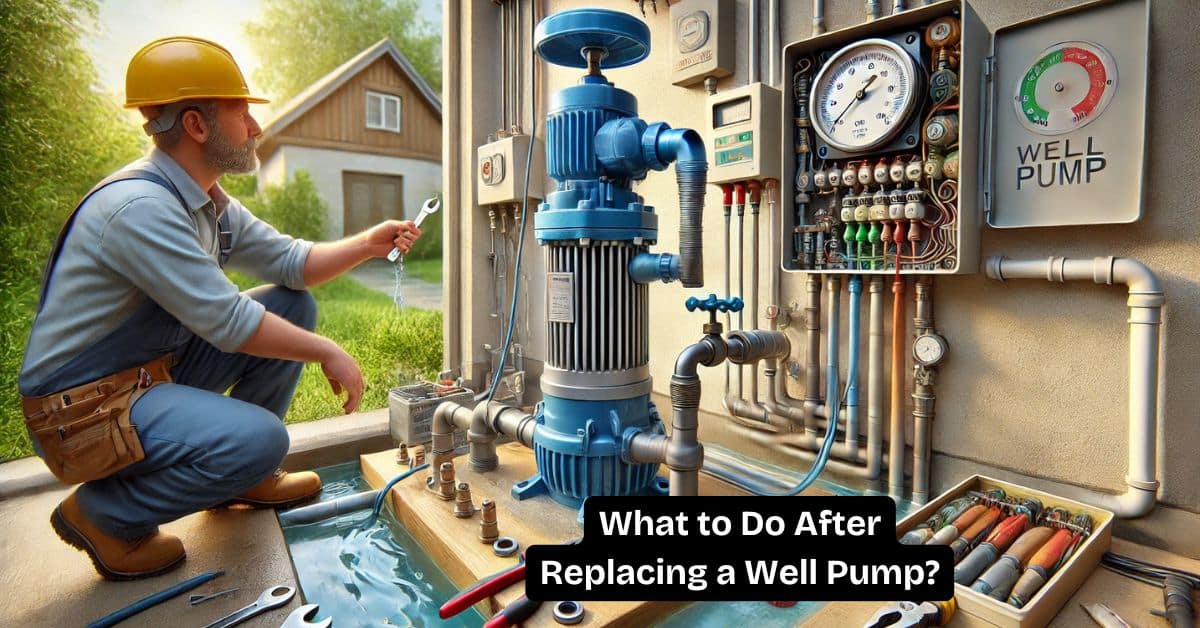
Replacing a well pump can feel like a monumental task, but it’s only the beginning of ensuring your system works properly. After you’ve replaced your pump, take the time to check for any signs of sediment and run the water until it clears. This step is crucial to prevent any issues like dirty water or malfunctioning filters later on.
From examining the water quality to ensuring the system is properly primed, there are several actions to take immediately after replacement. Addressing these points will save you headaches in the long run.
As someone who has navigated these steps, I can tell you that being proactive is key. By carefully monitoring your well system, you can catch any potential problems early and enjoy clean, clear water without the stress of unexpected issues.
Key Takeaways
- Check the water quality immediately after replacing the pump.
- Ensure the system is properly primed to avoid air locks.
- Regular maintenance can prevent long-term issues with your well system.
Assessing the Situation
After replacing a well pump, it’s crucial to assess the situation carefully. I’ve seen many people overlook key details that impact the longevity and quality of their water supply. Here’s how you can evaluate what’s going on and ensure everything is functioning properly.
Understanding Well Pump Types
First, it’s important to recognise the type of well pump installed. The two main types are submersible pumps and jet pumps. Submersible pumps sit underwater in the well and are generally quieter and more efficient for deeper wells, while jet pumps are often used for shallower wells and are installed above ground.
Understanding the model and specifications of your pump can help identify potential issues. Check the manufacturer’s guidelines for operation and maintenance tips. This knowledge may also direct you in troubleshooting any problems that arise.
Evaluating Water Quality Issues
Dirty water after pump replacement can happen. If you see sediment, debris, or cloudy water, you need to act. This often happens when the new pump stirs up material from the well, causing contamination.
Start by running the water for several hours. Monitor its clarity. If it remains dirty, consider flushing the well to clear out the sediments. If issues persist, test the water for contaminants to ensure it’s safe for drinking. Sometimes, it may be necessary to shock treat the well to kill harmful bacteria.
Troubleshooting Common Well Pump Problems
If the pump isn’t performing well, I assess common issues. Firstly, listen for unusual noises; these could indicate problems with the motor or impeller. Next, check the power supply. Ensure that the circuit breaker is functioning and that the pump is receiving adequate power.
I often find that when dirty water is a concern, the filter may also be clogged. I recommend inspecting it regularly. If these steps don’t solve the problem, the pump itself may need to be pulled out and examined. At times, over-pumping is necessary to develop the well to meet new demands.
Getting Ready for Replacement
Before I start replacing a well pump, I make sure I’m fully prepared. This involves gathering the right tools and materials, shutting down the water supply and electricity, and taking measures to prevent any contamination or debris from getting into the well.
Gathering Necessary Tools and Materials
First things first, I gather all the necessary tools and materials. Here’s what I typically need:
- Wrenches: Two adjustable wrenches to remove the well cap and any piping.
- Garden Hose: A long garden hose will help drain out any dirty water once the pump is replaced.
- Towels and Buckets: For spills and cleanup.
- Safety Gear: Gloves and eye protection to keep me safe while I work.
Having everything handy saves time and prevents run-ins with missing tools. I double-check that my tools are in good condition before diving into the job. A good setup can lead to a smoother process.
Shutting Down Water Supply and Electricity
Once I have my tools, I head to the circuit breaker. I always shut off the power to the well pump to ensure safety. This prevents any accidental electrical shocks while I’m working.
Next, I turn off the water supply. You can usually do this through a valve near the well or at the pressure tank. It’s crucial to release any pressure in the system before I start removing the old pump. This step minimises the mess and keeps things safe.
Preventing Contamination and Debris
Preventing contamination and debris from entering the well is vital. I do this by carefully removing the well cap with my wrenches. I make sure the area around the well is clean before beginning.
If there is dirt or debris near the well, I take steps like covering the opening with a cloth or plastic while I work. This keeps dust and small particles from getting in. A clean workspace is key to ensuring the water quality remains safe after replacing the pump.
Pump Removal
When it’s time to remove the well pump, I focus on two crucial aspects: disconnecting the electrical connections and lifting the pump safely from the well. Each step requires attention to detail to ensure both my safety and the integrity of the equipment.
Disconnecting Electrical Connections
Before I start, I make sure to switch off the power supply to avoid any accidents. Then, I locate the control box and carefully disconnect the electrical wiring. It’s vital to note the wiring layout, perhaps taking a photo for reference.
Next, I remove the wires connected to the pump motor. I ensure each connection is labelled to prevent confusion during reinstallation. I also check for any signs of wear or corrosion on the connectors, as this can indicate underlying issues. After detaching the wires, I secure them to keep them safe from moisture and debris.
Lifting the Pump from the Well
Now that I’ve disconnected the electrical connections, I can focus on lifting the pump. I first inspect the drop pipe for any issues before proceeding. It’s essential to check if a torque arrestor is present, as this helps prevent excess movement during the lift.
Using a pole or system specifically for pulling the pump, I carefully lift straight up. I pay close attention to the pitless adapter, as it might be tight against the casing. If needed, I might gently rock the pump to free it.
As I lift, I ensure that the foot valve remains attached for proper function. It’s crucial to keep the pump and drop pipe aligned to avoid damaging the components. Once the pump is free, I lower it to the ground gently, ensuring no damage occurs during the process. That’s how I tackle pump removal efficiently and safely.
Installing the New Pump
When replacing a well pump, it’s crucial to choose the right equipment and ensure proper connections. This process includes selecting a suitable pump, making electrical and pipe connections, and positioning the pump motor effectively. Each step plays a huge role in the pump’s performance and longevity.
Choosing the Right Pump for Your Well
Selecting the ideal submersible well pump is vital for efficiency. First, consider the gallons per minute (GPM) needed for your household. A typical home may require 5-10 GPM.
Next, assess the horsepower required for your specific well depth. The horsepower influences how well the pump operates under pressure. Ensure the new pump matches or exceeds the specifications of the old one.
Don’t forget about the pressure switch and check valve. The pressure switch controls the pump operation based on water pressure. A check valve helps prevent backflow, keeping water in the system.
Making the Right Electrical and Pipe Connections
Proper electrical connections are essential for safety and functionality. First, ensure that power is cut off before making any connections.
When connecting wires, follow the manufacturer’s guidelines carefully. Use a torque arrestor to prevent any movement of the drop pipe, which reduces stress on the connections.
For pipe connections, make sure to use quality PVC or poly pipe that suits your well type. A tight seal prevents leaks, which can lead to decreased efficiency. Check for any signs of wear or damage on old pipes before reinstallation.
Positioning the Pump Motor Correctly
Positioning the pump motor correctly is critical for optimal operation. I always ensure it is submerged to the appropriate depth, typically just above the intake screen to prevent air from entering the system.
Ensure the pump is level and secure. Using a torque arrestor can help in stabilising the pump.
Once in place, double-check all connections before powering up the system. Starting the pump while checking for leaks or unusual noises can catch problems early. This attention to detail will save time and hassle down the road.
Restoring the System
After replacing a well pump, it’s crucial to reactivate the system properly. This involves ensuring electrical power is back on, priming the pump, and checking for leaks. Each step is important to ensure everything runs smoothly and effectively.
Reactivating Electrical Power
First, I check the circuit breaker to ensure it’s switched on. After a pump replacement, I often find the breaker may have been turned off during the process for safety reasons. Turning it back on allows the pump to receive power.
Next, I listen for any unusual sounds coming from the pump. A strange noise may indicate a problem that needs fixing. If all seems normal, I monitor the pressure gauge. It should rise steadily, showing that the system is working. If there’s no reading or it’s low, I might have to troubleshoot further.
Priming the Pump and Checking for Leaks
Once I’ve reactivated the power, it’s time to prime the pump. I open the top of the pump and pour water into it to eliminate air pockets. This is vital for ensuring the pump operates efficiently.
While I’m at it, I check all connections for leaks. I inspect the pressure tank and any visible hoses. If I spot leaks, I tighten fittings or replace damaged parts right away. This step is important because leaks can lead to low water pressure and inefficient operation later.
Testing Water Pressure and Flow
With everything in place, I test the water pressure and flow rate. I use a pressure gauge to measure the system’s performance. A good reading should fall within the recommended range, typically between 40 to 60 PSI.
I also check the gallons per minute (GPM) to ensure I’m getting steady water flow. If I notice low water pressure, it could indicate a blockage or an issue with the pump itself. Quick adjustments or repairs might be necessary to ensure everything runs smoothly.
Post-Installation Checks
After replacing a well pump, it’s crucial to run a series of checks. This ensures everything is functioning properly and that your water is safe to use. Each step helps identify potential issues early, making your life easier in the long run.
Inspecting Water Quality and Clarity
As soon as the pump is operational, I look into the water quality. First, I run the water for a few minutes. This helps clear out any sediment and debris stirred up during the installation.
Key tests include:
- Clarity: The water should be clear, not cloudy.
- Smell and Taste: It should be free from unusual odours or tastes.
If I notice any problems, I consider water treatment options. This could involve installing a filtration system or using shock chlorination if necessary. Regular testing for contaminants, like coliform bacteria, is smart, especially if your water quality has changed.
Ensuring Adequate Water Pressure
Next, I check the water pressure to ensure it meets my needs. I use a pressure gauge to assess the level. Ideally, the pressure should fit within the range specified by the manufacturer.
If I experience low water pressure, I inspect the pressure switch and other components. Adjustments or replacements may be necessary. It’s a good idea to monitor the pressure over several days to catch any fluctuations. Consistent low pressure may indicate a more significant issue.
Checking for Proper Pump Operation
Finally, I make sure the pump operates smoothly. I listen for any unusual noises, which can signal trouble. The operation should be quiet and steady.
I also check the pump cycles. A normal cycle should have the pump running and shutting off at regular intervals. If it runs continuously or short-cycles, that’s a red flag. This can lead to wear and tear, wasting energy, and potentially causing damage.
These checks help me maintain my well system effectively. It ensures I get reliable water and peace of mind.
Long-Term Maintenance
After replacing a well pump, it’s crucial to keep up with long-term maintenance to ensure your system runs smoothly. I’ll share key steps that focus on monitoring equipment, managing sediment, and maintaining water quality.
Regular Monitoring of Pressure Tank and Gauge
I always check the pressure tank and gauge regularly. Monitoring the pressure helps me ensure that my water supply remains consistent. A properly functioning pressure tank maintains water pressure and prevents damage to the pump.
I keep an eye on the gauge for fluctuations. Significant changes might indicate leaks or a problem with the tank that could lead to contamination or inadequate water supply. If I notice anything unusual, I address it quickly.
Also, ensuring the pressure settings are correct prevents the pump from short cycling, which can wear it out faster than normal. This preventive step extends the life of the pump.
Seasonal Inspections and Handling Sediment Build-Up
I schedule seasonal inspections to tackle sediment build-up in my well system. Over time, sediment can accumulate in the pressure tank and piping, affecting water quality. This build-up can also lead to decreased water pressure.
During my inspection, I flush out the tank to remove any sediment. I also check the filters and replace them if necessary. Keeping these components clean ensures that my system remains efficient.
Additionally, being aware of my water source is important. If my area experiences heavy rain or flooding, I monitor for contamination. Unwanted materials can enter my well, so checking regularly protects my water supply.
Water Treatment Solutions for a Clean Water Supply
I prioritise a clean water supply by investing in proper water treatment solutions. Depending on my water quality test results, I might need to install water filters. These filters can target specific contaminants, giving me peace of mind.
I also consider UV treatment systems, which are effective against bacteria and viruses. Ensuring that my water is safe for my family is non-negotiable.
Regular testing for chemicals and bacteria is key to keeping everything in check. That way, I can address any issues before they become serious. Staying proactive in maintenance not only protects my family’s health but also extends the lifespan of my well system.
Emergency Preparedness
It’s crucial to be ready for any surprises after replacing a well pump. Being knowledgeable about how to handle water supply disruptions and knowing when to rely on bottled water can save you a lot of hassle. Here’s what I recommend.
Dealing with Water Supply Disruptions
After installing a new pump, I always keep an eye on the water supply for any disruptions. Power outages or equipment failures can impact my shallow well’s ability to provide water.
First, I ensure my circuit breaker is working properly. If I lose power, I can use a generator to keep the pump running. Having a backup generator is smart; it allows me to maintain access to water, even during outages.
In case of low water pressure or cloudy water, I stop using the pump. I let the sediment settle, allowing clean water to rise to the top. When troubleshooting, I check the plumbing for leaks or blockages. It’s all about staying proactive to prevent small issues from turning into big problems.
Understanding When to Use Bottled Water
Sometimes my well water may not be safe, especially after maintenance. If I have any doubts about its quality, I don’t hesitate to use bottled water.
I have a stock of bottled water for emergencies, and it becomes crucial during flooding or after repairs. If I suspect contaminants like bacteria, I test the water before using it. Drinking untested water from the well isn’t worth the risk.
I follow guidelines to ensure I’m using proper bottled water. The bottles should be stored in a cool, dark place, and I always check expiration dates. This way, I ensure my family has safe drinking water until the well is confirmed clean again. Being prepared makes all the difference.
Frequently Asked Questions
After replacing a well pump, it’s normal to have questions about sediment, water pressure, and proper maintenance. Here are some common concerns I’ve encountered.
How long should I expect sediment to settle following a well pump change-out?
Typically, sediment can take anywhere from a few hours to a couple of days to settle after a pump replacement. It really depends on the amount of debris stirred up during the installation. If there’s still noticeable sediment after a week, I’d suggest running the water until it clears up.
What’s the recommended duration for running water after installing a new well pump to ensure it’s cleared out?
I recommend running the water for at least 30 minutes after installation. This helps flush out any initial sediment that might have been stirred up. If the water still looks clouded, keep it running for another 15 to 30 minutes.
What steps are needed to purge well water of debris post-pump installation?
To purge the water, start by turning on a nearby faucet. Let it run continuously, preferably from a hose or an outside tap. This helps push out sediment. Make sure to check your water filter, too, and clean or replace it if it’s clogged.
Is it typical to find black sediment in my well water after putting in a fresh pump?
Yes, it’s quite common to see black sediment after replacing a well pump. This sediment can be a mix of minerals and organic material that settles over time. If it continues to appear excessively, I’d consider having the water tested for safety.
Following a pump replacement, what’s the drill for chlorinating the well?
For chlorination, I suggest mixing a household bleach solution with water and pouring it into the well. Use a ratio of about 1 gallon of bleach per 100 feet of water in the well. Then, run your taps until you can smell chlorine, and let it sit for 12 to 24 hours before flushing.
Why might someone experience a drop in water pressure subsequent to a well pump replacement, and what’s the fix?
A drop in water pressure can happen for several reasons, like an incorrectly sized pump or a leak in the system. Check for leaks at all connections. If the issue persists, you might need to reassess the pump specifications or consult a professional for help.

Thomas Peterson
Owner WSA
About the Author
Latest Posts
Born and raised in Nanaimo on Vancouver Island. Thomas gained a deep appreciation for the importance of clean, reliable water. With over 15 years of experience working with water treatment systems, Thomas has become a trusted expert in helping local homeowners and businesses resolve the unique challenges of well water across the Island.
From hard water and iron buildup to low water pressure and sediment issues, Thomas takes a practical, no-nonsense approach to solving water problems. Whether it’s installing filtration systems or troubleshooting well pump issues, Thomas focuses on long-lasting solutions that help people get the clean, safe water they need.
As a proud local professional, Thomas is dedicated to serving his community with honesty, quality service, and expert advice tailored to the water conditions of Vancouver Island.
Areas of Expertise: Well Service, Well Pumps, Water Filtration Systems
- Clack Water Softener Alternatives: Top Systems for Hard Water Treatment in 2025 November 8, 2025
- Best Well Water Test Kit Options for Safe Home Water Testing in 2025 November 5, 2025
- Best Well Water TDS Meter for Accurate Home Testing in 2025 November 1, 2025
- Best Well Water Sediment Filter Systems for Clean Home Water in 2025 October 29, 2025
- Best Well Water Saltless Water Softener Systems for 2025 October 26, 2025
Facebook Twitter LinkedIn Instagram Reddit
Fact Checked & Editorial Guidelines
Our Fact Checking Process
We prioritize accuracy and integrity in our content. Here’s how we maintain high standards:
- Expert Review: All articles are reviewed by subject matter experts.
- Source Validation: Information is backed by credible, up-to-date sources.
- Transparency: We clearly cite references and disclose potential conflicts.
Your trust is important. Learn more about our fact checking process and editorial policy.
Reviewed by: Subject Matter Experts
Our Review Board
Our content is carefully reviewed by experienced professionals to ensure accuracy and relevance.
- Qualified Experts: Each article is assessed by specialists with field-specific knowledge.
- Up-to-date Insights: We incorporate the latest research, trends, and standards.
- Commitment to Quality: Reviewers ensure clarity, correctness, and completeness.
Look for the expert-reviewed label to read content you can trust.