
What Kind of Pipe to Use for Well Pump? (Expert Guide)
What kind of pipe to use for well pump? Choosing the right pipe for your well pump is crucial for getting clean, potable water efficiently.

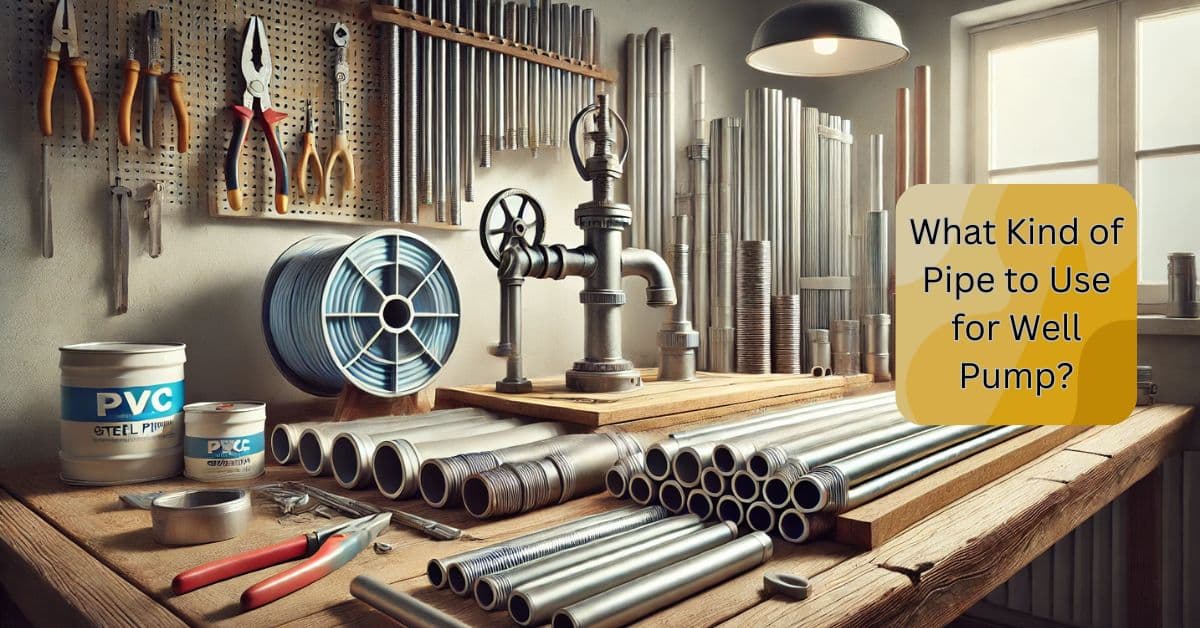
Choosing the right pipe for your well pump is crucial for getting clean, potable water efficiently. I recommend using at least schedule 80 pipe for durability and resistance to pressure. You want to make sure it can handle the demands of your specific pump and well depth so that it lasts for years without needing replacement.
Different types of pipe materials can affect the performance of your well pump system. PVC and poly pipes are popular options, each with their strengths. I know from experience that proper sizing and installation practices will help prevent leaks and ensure smooth water flow.
When I help homeowners with their well systems, I always stress the importance of understanding the needs of your setup. By choosing the right pipe and following best practices, you can secure a reliable source of water.
Key Takeaways
- Schedule 80 pipe is best for submersible well pumps.
- Choose the right material to match your specific needs.
- Proper installation is key to ensuring your pump works efficiently.
Understanding Well Pumps
When it comes to well pumps, knowing the types and their significance is key for any homeowner. I’ve seen folks struggle with choosing the right one, but it doesn’t have to be complicated. Let’s break it down clearly and practically.
Varieties of Well Pumps
There are mainly two types of well pumps that I recommend: submersible well pumps and solar well pumps.
Submersible well pumps are placed deep underwater. They are efficient and push water to the surface. They work well in deep wells, typically over 25 feet. Because of their design, they don’t need priming and have low maintenance.
Solar well pumps harness the sun’s power. They are ideal for remote areas where electricity isn’t available. These pumps are eco-friendly and can work efficiently in varied conditions. With advancements in technology, they’ve become a popular choice for many.
Both types serve different needs. Knowing your water depth and energy source can help in deciding which pump fits best.
Importance of Choosing the Right Pump
Selecting the correct well pump can save you time and money. Using the wrong pump can lead to decreased efficiency or even damages. I’ve seen this happen more often than I’d like.
Consider the depth of your well. A submersible pump is best for deeper wells, while a solar pump can be great for shallower holes or off-grid settings. The right choice affects how much water you get and how well your system performs.
Think about energy costs too. Solar well pumps reduce electricity expenses over time. The investment might be higher upfront, but the savings add up.
Choosing wisely can also extend the life of your pump. It may seem like a small detail, but getting it right is essential for a reliable water supply.
Well Diameter and Depth Considerations
When selecting the right pipe for your well pump, understanding the well’s diameter and depth is crucial. These factors directly impact the efficiency and functionality of your system. Let’s break down what you need to know.
Evaluating Well Depth
Well depth is the first thing I consider when planning a well system. The deeper the well, the more powerful the pump needs to be. Most standard submersible pumps are suitable for wells up to 300 feet deep. If your well exceeds this depth, you’ll want a high-capacity pump designed for deeper applications.
In addition, deeper wells may require heavier, more durable piping. For instance, if you’re going over 200 feet, using a stainless steel or thick PVC pipe could be essential. This ensures that the pipe can handle not only the pressure but also the potential for corrosion over time.
Assessing Well Diameter
The well’s diameter also plays a critical role in your system design. The standard diameter for many residential wells ranges from 4 to 6 inches. However, this could vary depending on your water needs and local regulations.
Pipes must fit snugly within the well casing. For example, a 4-inch diameter well would typically use 1-inch diameter piping for the water line. This setup helps maintain good water flow without excessive pressure loss. Remember, larger diameter pipes can carry more water but may also be heavier and require more support.
Choose wisely based on your specific needs, and make sure your pump and pipe work seamlessly together for the best results.
Pipe Material Choices
When selecting the right pipe for a well pump, it’s essential to consider several materials. Each option has unique traits, costs, and longevity that can affect your well system’s overall performance.
Pros and Cons of Poly Pipe
Poly pipe, or polyethylene pipe, is a popular choice for well pumping systems. It is lightweight and flexible, making it easier to install, especially in tight spots.
Pros:
- Durability: Resists corrosion and chemicals.
- Flexibility: Can bend around obstacles without breaking.
- Lightweight: Easy to transport and handle.
Cons:
- Temperature Sensitivity: May become brittle in extreme cold.
- Limited Pressure Rating: Ensure you choose the right schedule, like schedule 80, for higher pressure systems.
Overall, poly pipe suits a variety of environments but consider its limits.
Advantages of PVC Pipe
PVC pipe is one of the most common choices for well systems. It is affordable and offers good pressure ratings, especially in the sch 40 and schedule 80 variants.
Benefits:
- Cost-Effective: Generally cheaper than metal options.
- Corrosion Resistance: Won’t rust or corrode when exposed to moisture.
- Versatile: Suitable for both above and below ground.
However, I always check for UV resistance if it’s exposed to sunlight. PVC tends to degrade over time when exposed, so I make sure it’s not in direct light unless it’s treated.
The Durability of Steel Pipe
Steel pipe, especially galvanized or black steel, is known for its strength and longevity. A galvanized steel pipe adds an extra layer of protection against rust.
Strengths:
- Longevity: Can last decades with proper maintenance.
- Pressure Resistance: Handles high-pressure systems well.
Drawbacks:
- Weight: Heavier than plastic options, which makes installation tougher.
- Corrosion Risk: Can rust if not galvanized or regularly maintained.
For high-stress installations, I prefer steel as it can withstand the demands better than most other materials.
Pipe Sizing and Standards
When choosing the right pipe for a well pump, understanding pipe sizing and meeting standards is crucial for efficiency and safety. Different types of pipes come in various sizes and thicknesses. Knowing these details helps ensure the system works effectively.
Understanding Pipe Sizes
I always consider factors like poly pipe sizes when selecting materials. Poly pipe is a popular choice because it’s lightweight and resistant to corrosion. Standard sizes for poly pipes typically include 1-inch, 1.25-inch, and 2-inch diameters.
Pipe wall thickness is also important. It affects durability and pressure ratings. For instance, Schedule 80 pipes have a thicker wall, making them suitable for deeper wells. Different standards, such as SDR (Standard Dimension Ratio) and SIPR (Standard Inside Diameter Ratio), help determine how the pipes will perform under pressure. I recommend checking the SDR rating, as it influences the pipe’s ability to handle the water pressure for your needs.
Complying With NSF Standards
When it comes to plumbing, I can’t stress enough the importance of compliance with NSF standards. NSF/ANSI 14 is a standard that ensures the safety of materials used in drinking water systems. It covers aspects like the creation, processing, and testing of pipes.
Using NSF-certified pipes means that the products are tested for harmful substances. This helps protect your health and the environment. It’s important to pay attention to labels when purchasing pipes. Always confirm you’re using materials that meet these NSF standards. This is not just about following regulations; it’s about ensuring quality and safety in my plumbing system.
Plumbing Connections and Accessories
When setting up a well pump, the right plumbing connections and accessories are crucial for both performance and safety. Proper fittings ensure a secure connection, while pressure tanks and switches play a vital role in managing water flow.
Couplings and Fittings
I’ve found that the type of couplings and fittings you use can really make a difference. For well pumps, stainless steel couplings are a top choice. They resist corrosion, making them ideal for harsh conditions. I often rely on CTS (Copper Tube Size) and IPS (Iron Pipe Size) standards when selecting fittings, as they ensure compatibility with various pipe types.
When assembling your system, remember to use the correct thread sealant. Teflon tape works well to prevent leaks. Make sure to tighten connections securely, but avoid overtightening, which can damage threads. Keep spare fittings on hand, because you never know when they’ll come in handy during a repair or upgrade.
Pressure Tanks and Switches
In my experience, a well-chosen pressure tank is essential for maintaining steady water pressure. These tanks store water and help even out the flow, reducing the workload on your pump. Choose a tank with the right capacity based on your household needs.
Pressure switches are the unsung heroes in this setup. They monitor the water pressure and start or stop the pump when needed. Make sure to select a pressure switch that matches your pressure tank’s specifications. It’s also smart to place these components in a dry and accessible area for easy maintenance. I always recommend checking them regularly to catch any issues early.
Installation Best Practices
When installing a well pump, two critical aspects can make a significant difference: proper preparation and using the right equipment. Being well-prepared and opting for a turnkey kit can streamline the process and improve the overall installation.
Preparing for Installation
Before beginning the installation, I recommend gathering all the necessary tools and materials. This includes your pump, the right pipes, wrenches, and a level.
Consider mapping out the area where the well pump will go. A good plan ensures I know where my pipes will run and helps avoid potential obstacles.
It’s also crucial to check local regulations or codes that apply to well installations. Not adhering to them can result in delays or extra costs. Having a clear outline and understanding of what’s needed makes the process smoother and more efficient.
The Importance of a Turnkey Kit
Using a turnkey kit can save a lot of time and hassle. These kits include all the essential components, such as pipes, fittings, and sometimes even the pump itself.
With everything in one package, I can be sure to have the right sizes and types of materials, reducing the risk of gaps or mismatched pieces.
Turnkey kits are designed to work together seamlessly, which can ease installation and ensure quality. They often come with installation guides too, which can be incredibly helpful if this is your first time tackling a project like this.
Frequently Asked Questions
I often get questions about the best pipes for well pumps. Understanding the nuances between different materials and sizes can help ensure optimum performance and safety for your well system.
What are the benefits of using polyethylene pipes versus other materials for deep wells?
Polyethylene pipes are lightweight, flexible, and resistant to corrosion. They handle dirt and groundwater better than some rigid materials. This flexibility makes installation easier and can save time and effort.
Can HDPE pipes be the best choice for well drop applications?
High-Density Polyethylene (HDPE) pipes are often a strong choice for deep well drop applications. They resist rust and have excellent durability. Plus, their smooth interior helps reduce friction, which can improve water flow efficiency.
How does one determine the optimal size for a well pipe?
Choosing the right size for a well pipe depends on factors like water demand and pump specifications. Most pumps operate best with specific diameter recommendations. I recommend consulting the manufacturer’s guidelines to ensure you’re selecting the correct size for your needs.
What’s the better option for well plumbing, PVC or galvanized steel?
PVC pipes are popular due to their lightweight and corrosion-resistant nature. On the other hand, galvanized steel offers strength and durability. Both options have their place, but PVC is often easier to install and maintain.
To ensure safe drinking water, which type of piping is recommended from the well to the household?
For safe drinking water, I suggest using food-grade PVC or polyethylene pipe. These materials are safe and prevent contaminants from leaching into the water supply. Always double-check local regulations for any specific guidelines.
For a 500-foot deep well, which piping should one consider for the best performance and durability?
For a deep well like that, HDPE or heavy-duty PVC pipes are excellent choices. They provide the durability needed for depth while keeping the flow efficient. Make sure to choose a pipe with the right pressure rating to handle the job effectively.

Thomas Peterson
Owner WSA
About the Author
Latest Posts
Born and raised in Nanaimo on Vancouver Island. Thomas gained a deep appreciation for the importance of clean, reliable water. With over 15 years of experience working with water treatment systems, Thomas has become a trusted expert in helping local homeowners and businesses resolve the unique challenges of well water across the Island.
From hard water and iron buildup to low water pressure and sediment issues, Thomas takes a practical, no-nonsense approach to solving water problems. Whether it’s installing filtration systems or troubleshooting well pump issues, Thomas focuses on long-lasting solutions that help people get the clean, safe water they need.
As a proud local professional, Thomas is dedicated to serving his community with honesty, quality service, and expert advice tailored to the water conditions of Vancouver Island.
Areas of Expertise: Well Service, Well Pumps, Water Filtration Systems
- Clack Water Softener Alternatives: Top Systems for Hard Water Treatment in 2025 November 8, 2025
- Best Well Water Test Kit Options for Safe Home Water Testing in 2025 November 5, 2025
- Best Well Water TDS Meter for Accurate Home Testing in 2025 November 1, 2025
- Best Well Water Sediment Filter Systems for Clean Home Water in 2025 October 29, 2025
- Best Well Water Saltless Water Softener Systems for 2025 October 26, 2025
Facebook Twitter LinkedIn Instagram Reddit
Fact Checked & Editorial Guidelines
Our Fact Checking Process
We prioritize accuracy and integrity in our content. Here’s how we maintain high standards:
- Expert Review: All articles are reviewed by subject matter experts.
- Source Validation: Information is backed by credible, up-to-date sources.
- Transparency: We clearly cite references and disclose potential conflicts.
Your trust is important. Learn more about our fact checking process and editorial policy.
Reviewed by: Subject Matter Experts
Our Review Board
Our content is carefully reviewed by experienced professionals to ensure accuracy and relevance.
- Qualified Experts: Each article is assessed by specialists with field-specific knowledge.
- Up-to-date Insights: We incorporate the latest research, trends, and standards.
- Commitment to Quality: Reviewers ensure clarity, correctness, and completeness.
Look for the expert-reviewed label to read content you can trust.