
What is the Purpose of a Well Pump Control Box? (Explained)
What is the purpose of a well pump control box? A well pump control box plays a crucial role in ensuring that your water supply system runs smoothly.

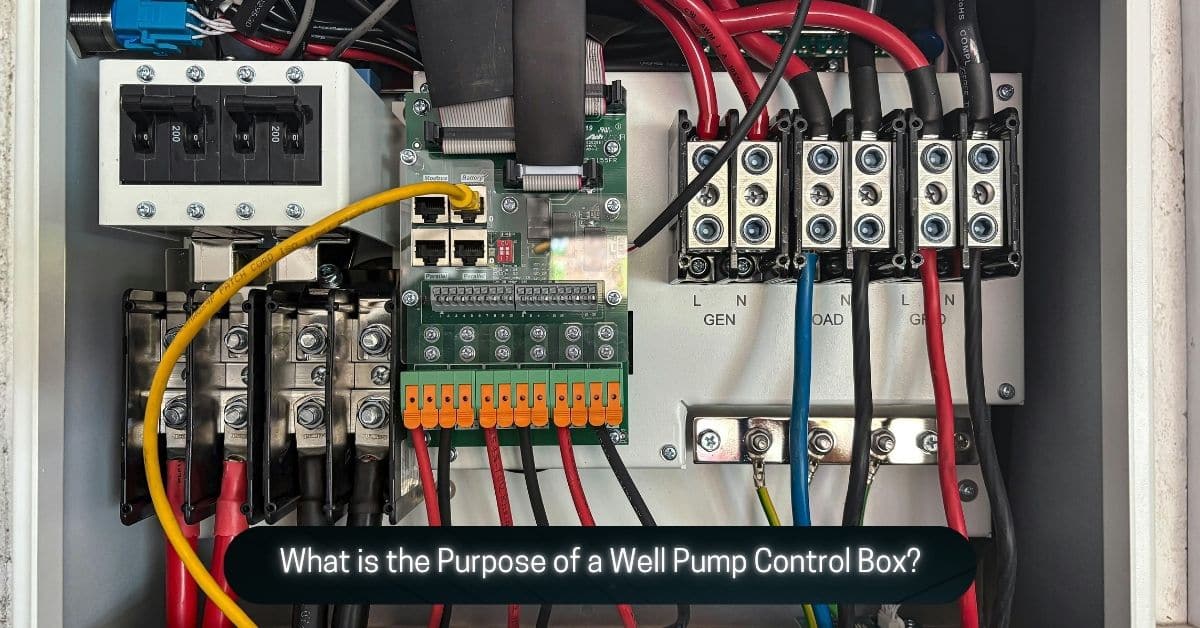
A well pump control box plays a crucial role in ensuring that your water supply system runs smoothly. This device not only starts and stops your well pump but also protects it from potential damage, ensuring long-lasting and efficient operation. Whether you have a submersible pump or a jet pump, understanding how the control box works can help maintain your water system effectively.
I’ve seen firsthand how vital these control boxes are in both residential and agricultural settings. They not only provide convenience and efficiency but also offer valuable insights into pump performance and operation. Knowing when your pump is running and for how long can help prevent issues before they escalate, saving you time and money.
As I dive deeper into this topic, I will share practical tips on maintenance and troubleshooting, so you can keep your well pump control box in top shape. Whether you’re a homeowner or someone involved in agricultural operations, there’s something here for everyone looking to maximize their water system’s reliability.
Key Takeaways
- A well pump control box is essential for starting and protecting your pump.
- Regular maintenance can extend the life of your water system.
- Understanding your control box helps improve efficiency and troubleshoot issues.
Understanding the Role of the Well Pump Control Box
The well pump control box is crucial for managing a water supply system. It ensures smooth operation, protects equipment, and helps maintain water levels. Let’s explore the fundamentals of well pump systems, the components of control boxes, and the types of well pumps and their specific control boxes.
Fundamentals of Well Pump Systems
A well pump system is designed to draw water from underground and deliver it to homes or businesses. At the core of this system is the well pump, which can be a submersible pump or a jet pump.
Submersible pumps sit underwater and push water to the surface. Jet pumps, on the other hand, are typically found above ground and pull water up. Both types require a control box to operate effectively.
The control box relies on several components, including a pressure switch, relay, and capacitors, to start and stop the pump. These parts work together to regulate the pump’s operation and ensure that water levels remain consistent.
Components of Control Boxes
Control boxes house essential electrical components that help operate your well pump efficiently. A common part of a control box is the pressure switch. It monitors water pressure and signals the pump to turn on or off as needed.
Another key component is the relay, which acts like a switch. It connects the control box’s power to the pump when necessary. The capacitors offer an extra boost, especially during the pump’s startup phase.
For example, a start capacitor gives the motor initial power. Without these elements, the water system can malfunction, leading to inadequate water supply or pump failure.
Types of Well Pumps and Their Control Boxes
Different types of well pumps require unique control boxes. For instance, a two-wire submersible well pump uses a simpler control box setup than a three-wire submersible well pump.
The three-wire system includes an additional wire for a start capacitor, which can enhance performance. In contrast, an above-ground well pump often connects to a more complex control box.
Each control box is designed specifically for the pump type it serves, ensuring smooth operation and prolonging the equipment’s life. Understanding which control box suits your pump helps maintain an efficient and reliable water system.
How Control Boxes Drive Efficiency and Reliability
Control boxes are key players in the performance of well pump systems. They ensure the pump operates efficiently while also safeguarding against various risks. Here’s how they enhance operation and provide essential protection.
Enhancing Pump Performance
In my experience, well pump control boxes significantly improve the performance of pump motors. They actively monitor the motor’s operation, adjusting power in real-time. This dynamic control allows pumps to maintain optimal flow levels based on the demand for water.
An efficient pump not only delivers a reliable water supply but also reduces energy consumption. The electronic components in these control boxes help minimise energy waste by preventing the motor from running longer than necessary.
By fine-tuning operation, control boxes contribute to the longevity of the pump. They prevent wear and tear caused by overworking. With proper management of resources, I find that these systems drive efficiency while ensuring consistent water delivery.
Protective Features and Safety
Safety is paramount when dealing with water systems. Control boxes offer protective features that safeguard both the pump and the electrical components. For example, they can detect issues like overheating or electrical faults. When these problems arise, the control box will automatically shut down the pump to prevent damage.
Moreover, these protective features not only keep the pump running longer but also reduce repair costs. By addressing problems early, I avoid potential failures that could lead to emergency repairs.
Convenience is another vital aspect. With reliable protection in place, I can have peace of mind knowing that my water supply is not just efficient but also safe. A well-maintained control box means fewer surprises and a more dependable system overall.
Maintenance and Troubleshooting
Keeping a well pump control box in good shape is crucial for its functionality. Regular maintenance helps prevent issues, and knowing how to troubleshoot common problems can save time and money. Here’s how I approach maintenance and troubleshooting.
Regular Maintenance Procedures
I always start with basic inspections. Check the control box for any signs of wear, loose connections, or corrosion. Cleaning the box can prevent dirt buildup that might affect performance.
Next, I examine the wires for any fraying. It’s important to keep them safely tucked away and check that they are secure.
Testing the supply voltage to ensure it stays within the recommended range is vital. Using a multimeter, I measure both excess voltage and amperage, as fluctuations can be a red flag.
Lastly, I keep an eye on the water pressure fluctuations in the system. Regularly monitoring pressure can alert me to potential issues before they worsen.
Diagnostic Tools and Techniques
When troubleshooting, I arm myself with the right tools. A multimeter is my go-to for checking for electrical issues. I can test both voltage and amperage to find out if there is a problem with power supply.
I often look into voltage fluctuations as they can trigger erratic pump behavior. If I notice inconsistencies, I dig deeper.
For more complicated cases, I might use a pressure gauge to see how the water pressure behaves in real time. This can help identify if waterlogged tanks are causing issues or if a special adjustment is needed.
Common Issues and Solutions
Some common problems include the pump running continuously or not starting at all. If the pump won’t start, I often check the control box for blown fuses or tripped breakers.
In cases where the pump runs continuously, it could be due to a malfunction in the pressure switch. I make adjustments or replace the switch as needed.
If I encounter water pressure fluctuations, it may indicate an issue with the tank or air bladder. I usually check for leaks or recharge the tank to stabilize the pressure. With patience and the right approach, most problems can be solved without a complete replacement.
Advanced Insights into Pump Control Technology
In my experience, understanding the technology behind well pump control is crucial for efficient operation. Let’s dive into the specifics of starting circuits, control mechanisms, and recent advancements that make these systems more effective.
Starting Circuits and Control Mechanisms
Starting circuits play a key role in how well pumps operate. These circuits are designed to provide the necessary power to kick-start submersible pumps. A typical control box includes components that manage the electrical flow to the pump motor.
For three-wire submersible well pumps, the starting circuit often consists of a start relay and a run capacitor. The start relay energizes the pump, while the run capacitor helps maintain a steady current during operation. This combination ensures smooth and reliable starting, reducing wear on the pump and extending its lifespan.
Upgrades and Innovations in Pump Control
Recently, innovations in pump control technology have transformed how we manage water systems. Many control boxes now feature smart technology. This includes remote monitoring and automatic adjustments based on the pump’s performance.
More homeowners are opting for smart well pump controllers that provide real-time data. These systems can alert me when the pump runs longer than usual, signalling potential issues.
Additionally, modern control boxes are designed for energy efficiency, which translates to lower operating costs. With these upgrades, I find that maintaining a well pump system is not just easier but also more reliable. As technology evolves, I expect to see even greater benefits for water management in homes and businesses.
Frequently Asked Questions
In this section, I’ll tackle some common questions about well pump control boxes. These inquiries cover their necessity, troubleshooting methods, and more.
Do all well pumps require a control box for operation?
Not all well pumps need a control box to run. For instance, above-ground jet pumps and some two-wire submersible pumps typically operate without one. These types have built-in mechanisms that handle their controls directly.
How can you troubleshoot issues with a well pump control box?
When troubleshooting, I first check the power supply to the control box. It’s important to ensure that it’s plugged in and that any circuit breakers aren’t tripped. Next, I look for blown fuses or loose wires, as these can cause failures in the system.
What are the common reasons for a control box failure in well pump systems?
Control boxes may fail due to electrical surges, wear and tear over time, or moisture damage. Corrosion can also affect components, leading to malfunctions. Regular inspection helps prevent these issues.
Is there a way to wire a well pump without including the control box?
It’s possible to wire some pumps directly, but I wouldn’t recommend this without careful consideration. Doing so can lead to performance issues or safety hazards. The control box optimizes the operation and protects the pump.
Can you explain the process to reset a control box on a well pump?
Resetting a control box usually involves turning off the power supply first. I might unplug it or switch off the circuit breaker. After waiting for a minute, I turn the power back on. This can often fix minor glitches.
What function does the control box serve in a well pump setup?
The control box is crucial as it manages the starting and stopping of the pump. It also protects the pump from overloads and helps ensure smooth operation.

Thomas Peterson
Owner WSA
About the Author
Latest Posts
Born and raised in Nanaimo on Vancouver Island. Thomas gained a deep appreciation for the importance of clean, reliable water. With over 15 years of experience working with water treatment systems, Thomas has become a trusted expert in helping local homeowners and businesses resolve the unique challenges of well water across the Island.
From hard water and iron buildup to low water pressure and sediment issues, Thomas takes a practical, no-nonsense approach to solving water problems. Whether it’s installing filtration systems or troubleshooting well pump issues, Thomas focuses on long-lasting solutions that help people get the clean, safe water they need.
As a proud local professional, Thomas is dedicated to serving his community with honesty, quality service, and expert advice tailored to the water conditions of Vancouver Island.
Areas of Expertise: Well Service, Well Pumps, Water Filtration Systems
- Clack Water Softener Alternatives: Top Systems for Hard Water Treatment in 2025 November 8, 2025
- Best Well Water Test Kit Options for Safe Home Water Testing in 2025 November 5, 2025
- Best Well Water TDS Meter for Accurate Home Testing in 2025 November 1, 2025
- Best Well Water Sediment Filter Systems for Clean Home Water in 2025 October 29, 2025
- Best Well Water Saltless Water Softener Systems for 2025 October 26, 2025
Facebook Twitter LinkedIn Instagram Reddit
Fact Checked & Editorial Guidelines
Our Fact Checking Process
We prioritize accuracy and integrity in our content. Here’s how we maintain high standards:
- Expert Review: All articles are reviewed by subject matter experts.
- Source Validation: Information is backed by credible, up-to-date sources.
- Transparency: We clearly cite references and disclose potential conflicts.
Your trust is important. Learn more about our fact checking process and editorial policy.
Reviewed by: Subject Matter Experts
Our Review Board
Our content is carefully reviewed by experienced professionals to ensure accuracy and relevance.
- Qualified Experts: Each article is assessed by specialists with field-specific knowledge.
- Up-to-date Insights: We incorporate the latest research, trends, and standards.
- Commitment to Quality: Reviewers ensure clarity, correctness, and completeness.
Look for the expert-reviewed label to read content you can trust.