
What is the Difference Between 1 hp and 1.5 hp Well Pump?
What is the difference between 1 hp and 1.5 hp well pump? Understanding the difference between a 1 HP and a 1.5 HP model is crucial for making right decision.

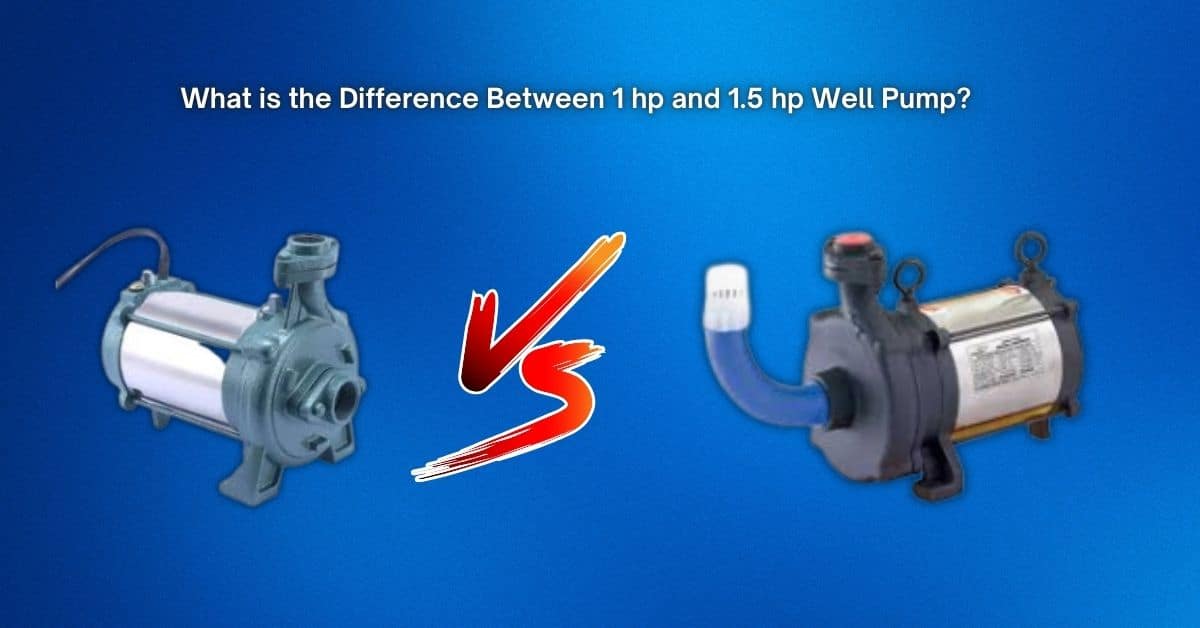
When choosing a well pump, understanding the difference between a 1 HP and a 1.5 HP model is crucial for making the right decision. The main difference lies in their horsepower, which affects the pump’s capacity to lift water and its efficiency based on your well’s depth and particular needs. This choice directly impacts your water flow rate and overall system performance, making it essential to know what you’re working with before installation.
As I’ve learned through my experiences, selecting the appropriate well pump depends not just on horsepower, but also on specific elements like well depth and water demand. A 1 HP pump may suffice for shallower wells, while a 1.5 HP model is generally recommended for deeper wells or higher water requirements. Choosing wisely can save you headaches down the road, so I’m here to guide you through these important considerations.
You’ll want to grasp not just the technical specs but also how they apply practically. Understanding what each horsepower rating offers helps you pinpoint the right pump for your situation, ensuring you get the most out of your investment.
Key Takeaways
- The horsepower of a pump determines its capacity to lift water efficiently.
- Choosing the right pump involves considering well depth and water demand.
- Understanding the specifics can prevent future issues and optimize performance.
Understanding Well Pumps and Horsepower
Well pumps are essential for providing water from underground sources. Horsepower (hp) plays a key role in their performance and efficiency. Knowing how these components work together helps make an informed choice.
Basics of Well Pumps
Well pumps draw water from underground wells to supply homes and farms. There are different types, including submersible well pumps and jet pumps. Submersible pumps are placed below the water and push water to the surface. Jet pumps, on the other hand, are usually above ground and work by creating a vacuum to pull water up.
When choosing a pump, consider the well’s depth and water demand. A deeper well often requires a more powerful pump to ensure an adequate water supply. The type of pump impacts installation, maintenance, and efficiency as well.
Horsepower Explained
Horsepower is a measurement of a pump’s power to move water. A 1 hp pump can move a certain amount of water against resistance. Meanwhile, a 1.5 hp pump typically moves water faster and can handle deeper wells or higher water flow rates.
For instance, a 1.5 hp submersible well pump often provides higher gallons per minute (GPM) than a 1 hp pump. This difference can significantly impact water availability during peak usage times. Understanding how horsepower relates to your specific needs is crucial in finding the right pump for your situation.
In essence, higher horsepower means increased water pressure and flow, making it vital to select the right pump for efficient and reliable operation.
Elements Affecting Pump Performance
When it comes to well pumps, understanding the factors that influence their performance is critical. Key elements include pressure, flow rate, head, total dynamic head (TDH), and pump curves. Each plays a vital role in how effectively a pump operates for your needs.
Importance of Pressure and Flow Rate
Pressure and flow rate are like the heart and lungs of a pump system. Pressure indicates how strong the water is pushed through the system. High pressure can efficiently move water to various points in your home. On the other hand, flow rate measures how much water flows over time, usually in gallons per minute (GPM).
For example, a pump with a higher horsepower often provides a greater flow rate. However, I’ve seen people choose pumps based solely on horsepower without considering their specific needs. It’s essential to match the pump’s pressure and flow rate to your home’s requirements for optimal performance.
Evaluating Head and Total Dynamic Head
Head refers to the height to which a pump can raise water. It plays a crucial role in determining whether a pump is suitable for your setup. When assessing well pumps, I often focus on total dynamic head (TDH), which includes both static head (the height of the water source) and dynamic losses (friction and other factors in the piping system).
Calculating the TDH helps you understand how far and how high your pump needs to lift water. Too low, and your pump may struggle to deliver water effectively. Too high, and you risk wasting energy. Always ensure that your pump can handle the calculated TDH for consistent performance.
Understanding Pump Curves
Pump curves are essential tools that show how a pump will perform under various conditions. They plot flow rate against the head, allowing you to visualize how changes in one affect the other. A curve helps me determine the right pump for specific needs by identifying the best operating point.
For example, if the desired flow rate is at 20 GPM but the pump curve shows significant losses at that point, I’ll reconsider the pump choice. Understanding these curves can prevent issues like cavitation or inefficient operation. Always refer to the pump curve to ensure you’re making an informed decision.
Comparing 1 HP to 1.5 HP Well Pumps
When I compare 1 HP and 1.5 HP well pumps, it’s important to look at their performance and energy efficiency. The differences can influence your decision based on your specific water needs and the depth of your well.
Performance Differences
The flow rate is a significant factor between these two pump sizes. A 1 HP pump typically delivers a maximum flow rate of around 62 gallons per minute (GPM), suitable for shallow wells and lower water needs.
In contrast, a 1.5 HP pump can push more water, reaching higher flow rates, which makes it ideal for deeper wells or larger households. When dealing with a higher total dynamic head (TDH), a 1.5 HP pump is generally built to handle the extra demand.
If you need to move water from a greater depth or at a higher volume, the power required by a 1.5 HP pump will ensure that it gets the job done without straining. This extra capacity is crucial for certain applications, such as irrigation or filling large tanks.
Energy Efficiency Considerations
When discussing energy efficiency, the difference between 1 HP and 1.5 HP pumps can be significant. A 1 HP pump uses less energy, making it a cost-effective choice for smaller water requirements.
However, the 1.5 HP pump, while it consumes more power, also delivers greater performance for its higher energy use. Depending on your needs, the power efficiency may actually balance out when considering how much water you need over time.
Selecting the right size involves more than just energy consumption. It’s important to size your pump according to your actual needs to avoid oversizing, which can lead to wasted energy and increased costs. The right choice ensures your pump operates efficiently, keeping your bills in check while providing reliable performance.
Practical Selection and Sizing
When selecting the right well pump, understanding both size and performance is crucial. Not only do I need to match the pump’s capacity with my water demands, but I also must take into account the depth of my well. The right pump can make all the difference in ensuring a reliable water supply.
Determining the Right Pump Size
To determine the correct pump size, I first need to consider my water demands. This factor is measured in gallons per minute (GPM). I evaluate my household needs, such as how much water is required for drinking, cooking, and irrigation.
Next, I look at my well depth. If my well is deep, I need a pump capable of a higher total dynamic head (TDH). For example, a 1 HP pump might be sufficient for shallow wells, but if I’m dealing with a deeper well or higher GPM needs, a 1.5 HP pump could be the better choice.
I can use a sizing chart or consult with an expert to confirm that I align my pump size with both depth and GPM for the best results.
Using a Well Pump Sizing Calculator
A well pump sizing calculator simplifies the process. I input data such as my well depth, required water flow, and pressure needs. The calculator can quickly show the horsepower (HP) needed for my specific situation.
For instance, if my water demands exceed 20 GPM at a depth of 100 feet, the calculator might recommend a 1.5 HP pump. It’s very useful because it takes into account several variables that can be challenging to estimate manually.
Remember to check the manufacturer’s specifications to ensure the calculated pump fits my needs. It’s an easy way to avoid costly mistakes and ensure a long-lasting performance from my investment.
Installation and Maintenance Insights
When it comes to well pumps, proper installation and regular maintenance are crucial for optimal performance. Taking the right steps can prolong the lifespan of your pump and ensure it runs smoothly.
Proper Installation Tips
Getting your well pump set up correctly is key. First, always check the depth of your well to select the right size drop pipe and pump. I recommend using a submersible pump for deeper wells, as they are efficient and effective.
Make sure to securely attach the pressure switch and properly size the pressure tank. Using the right fittings and gaskets can prevent leaks. Before lowering your pump, carefully inspect all components to ensure they’re in good condition. This can save you a lot of headaches later. Don’t rush; take your time to avoid mistakes that could lead to costly repairs down the road.
Routine Maintenance and Troubleshooting
Routine maintenance keeps your pump running efficiently. I suggest checking the pressure tank and switch regularly for any signs of wear. Inspect the wiring and connections for corrosion or fraying.
If you notice fluctuations in water pressure, it might be time to replace your well pump or adjust the pressure switch settings. Keeping an eye on your system can help catch small issues before they become big problems. Always keep your well area clear of debris and ensure the casing is intact to prevent contaminants from affecting water quality. Remember, it’s easier and cheaper to maintain than to replace!
Advanced Considerations for Well Pump Systems
When it comes to well pump systems, several factors play a vital role in ensuring optimal performance. I’ll touch on important aspects like pump design, materials, water quality, and well specifications. Understanding these details can help you make a confident choice.
Discussing Pump Design and Materials
The design of a well pump affects its efficiency and longevity. I find that materials like HDPE (high-density polyethylene) offer excellent resistance to corrosion and wear, making them ideal for handling harsh water conditions.
Deep well submersible pumps are typically more effective for deeper installations. These pumps often come with specialized designs that enhance their performance at greater depths. Choosing the right pump design not only improves functionality but also extends the lifespan of the equipment.
When considering materials, ensure your pump can handle the specific demands of your water situation. A well-built pump can save money and repairs in the long run.
Addressing Water Quality and Well Specifications
Water quality is a significant factor that shouldn’t be overlooked. Poor water conditions can lead to pump failure. I always recommend testing your water for contaminants like sediment, minerals, and bacteria before making a purchase.
The diameter of your well casing also plays a role in pump selection. A casing that’s too narrow may limit your options, restricting you to smaller pumps. I’ve seen cases where homeowners had to make compromises due to this limitation. Always consider both the well casing diameter and the quality of the water when selecting your pump.
Frequently Asked Questions
I often get questions about the differences between 1 HP and 1.5 HP well pumps. It’s important to know how each option affects efficiency, lifting capacity, electrical needs, and other important factors for your specific situation.
What’s the real difference when it comes to efficiency between a 1 horsepower and a 1.5 horsepower pump for wells?
When comparing efficiency, a 1.5 HP pump generally offers a higher flow rate than a 1 HP pump. This means it can move more water in less time, making it a better choice for larger demands. However, the exact numbers depend on the specific model and its design.
Can you boost the water lifting capacity by upgrading from a 1 HP to a 1.5 HP pump, and is it worth it?
Upgrading to a 1.5 HP pump can significantly improve water lifting capacity, especially in deeper wells. If you find your current pump struggles to supply enough water, it can be worth the investment, depending on your needs.
How do the electrical requirements compare for 1 HP and 1.5 HP submersible pumps in terms of amperage?
The electrical requirements differ, as a 1.5 HP pump typically draws more amperage than a 1 HP pump. You’ll need to ensure your electrical system can handle the increased load to avoid any issues.
When considering a new installation, should you opt for a pump with more horsepower for your well?
Choosing a pump with more horsepower can be beneficial if you expect high water demand or have a deep well. It’s essential to balance horsepower with your specific water needs and budget.
What are the potential implications of replacing a 1HP pump with a 1.5HP version on your existing well system?
Replacing your 1 HP pump with a 1.5 HP pump can lead to increased wear on your system if it wasn’t designed for higher capacity. It may also require adjustments to your plumbing or electrical system to accommodate the changes.
Need to figure out your well pump’s horsepower?
To calculate the appropriate HP needed for your well, you’ll need to consider factors like the depth of your well, flow rate, and the distance the water needs to travel. A simple formula can help you find the appropriate HP for your situation.

Thomas Peterson
Owner WSA
About the Author
Latest Posts
Born and raised in Nanaimo on Vancouver Island. Thomas gained a deep appreciation for the importance of clean, reliable water. With over 15 years of experience working with water treatment systems, Thomas has become a trusted expert in helping local homeowners and businesses resolve the unique challenges of well water across the Island.
From hard water and iron buildup to low water pressure and sediment issues, Thomas takes a practical, no-nonsense approach to solving water problems. Whether it’s installing filtration systems or troubleshooting well pump issues, Thomas focuses on long-lasting solutions that help people get the clean, safe water they need.
As a proud local professional, Thomas is dedicated to serving his community with honesty, quality service, and expert advice tailored to the water conditions of Vancouver Island.
Areas of Expertise: Well Service, Well Pumps, Water Filtration Systems
- Clack Water Softener Alternatives: Top Systems for Hard Water Treatment in 2025 November 8, 2025
- Best Well Water Test Kit Options for Safe Home Water Testing in 2025 November 5, 2025
- Best Well Water TDS Meter for Accurate Home Testing in 2025 November 1, 2025
- Best Well Water Sediment Filter Systems for Clean Home Water in 2025 October 29, 2025
- Best Well Water Saltless Water Softener Systems for 2025 October 26, 2025
Facebook Twitter LinkedIn Instagram Reddit
Fact Checked & Editorial Guidelines
Our Fact Checking Process
We prioritize accuracy and integrity in our content. Here’s how we maintain high standards:
- Expert Review: All articles are reviewed by subject matter experts.
- Source Validation: Information is backed by credible, up-to-date sources.
- Transparency: We clearly cite references and disclose potential conflicts.
Your trust is important. Learn more about our fact checking process and editorial policy.
Reviewed by: Subject Matter Experts
Our Review Board
Our content is carefully reviewed by experienced professionals to ensure accuracy and relevance.
- Qualified Experts: Each article is assessed by specialists with field-specific knowledge.
- Up-to-date Insights: We incorporate the latest research, trends, and standards.
- Commitment to Quality: Reviewers ensure clarity, correctness, and completeness.
Look for the expert-reviewed label to read content you can trust.