
What is the Best Battery Backup for a Sump Pump?
What is the best battery backup for a sump pump? Best battery backup for a sump pump is usually Absorbed Glass Mat battery, thanks to its durability

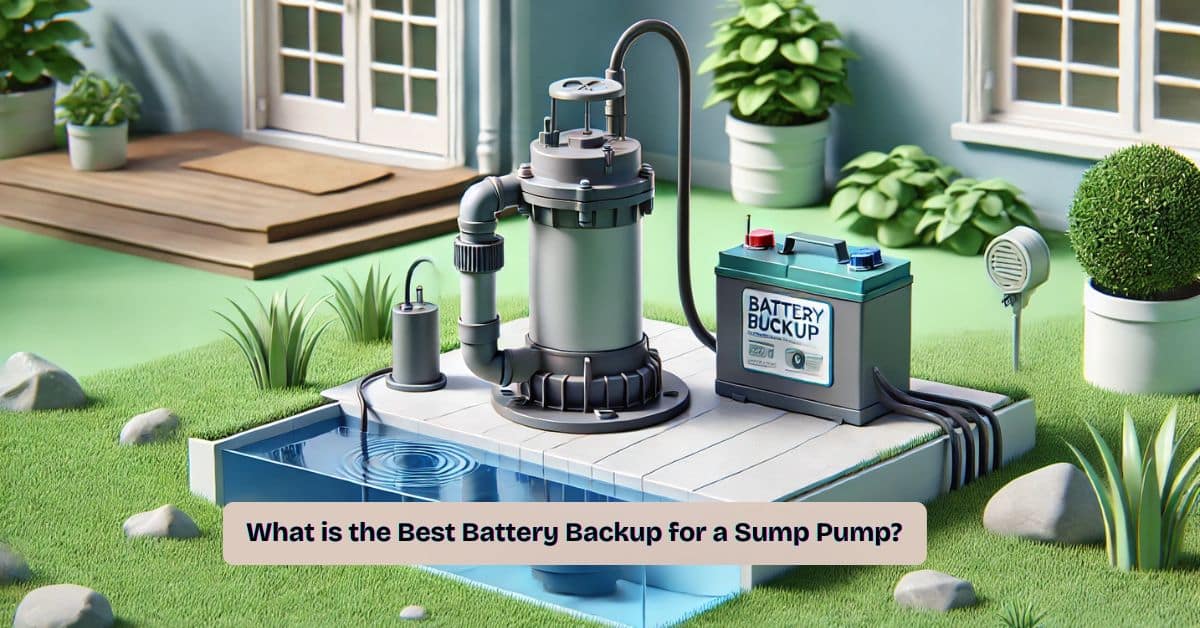
When it comes to protecting your home from unexpected flooding, the right battery backup for your sump pump can make all the difference. The best battery backup for a sump pump is usually an Absorbed Glass Mat (AGM) battery, thanks to its durability and low maintenance needs. Ensuring your basement stays dry during heavy rains or power outages is crucial, and the right battery can provide you with peace of mind.
Choosing a sump pump backup isn’t just about power; it’s about reliable performance and longevity. I’ve seen firsthand how the right setup can prevent a minor issue from turning into a major disaster. Understanding what features to look for can save you both stress and money down the line.
Key Takeaways
- AGM batteries are ideal for sump pump backups.
- Regular maintenance is key to ensuring reliability.
- Choosing the right model is crucial for effective flood protection.
Understanding Battery Backup Sump Pumps
When it comes to protecting your home from water damage, understanding how battery backup sump pumps work is crucial. These systems provide an added layer of safety when your primary sump pump is unable to perform, especially during power outages or pump failures. I’ll break down the key aspects of battery backup sump pumps, focusing on their importance and the various types available.
Significance of a Reliable Sump Pump
A reliable sump pump is essential for homeowners, especially in areas that face heavy rainfall or flooding. It serves as the first line of defence against water damage in your basement. Without it, water can accumulate quickly, causing costly damage to your foundation and belongings.
Battery backup sump pumps are a smart investment. They ensure that even when the power goes out, your sump system continues to work. This not only protects your home but also provides peace of mind during severe weather events. I’ve seen firsthand the mess that a failed sump pump can cause, and it’s a headache I wouldn’t wish on anyone.
Primary Sump Pump Vs. Backup Sump Pumps
Every home should have a primary sump pump to handle normal water levels. It effectively removes water from the sump pit, keeping your basement dry. However, the primary pump can fail due to mechanical issues or power outages.
This is where a battery backup system becomes invaluable. The backup sump pump activates when the primary pump fails or when electricity is lost, ensuring that any incoming water is still managed. It’s like having a superhero ready to jump into action when things go sideways.
Types of Backup Systems: Battery Backup Vs. Water-Powered
There are two main types of backup systems: battery-powered and water-powered. A battery backup sump pump is the most popular choice. It uses a deep-cycle battery that kicks in during a power failure. This pump can move water just as effectively as the primary pump, provided the battery is charged.
On the other hand, water-powered backup systems rely on your home’s water supply. They are useful in areas where electricity is unreliable. However, they may not move as much water as a battery backup, so it’s essential to consider your specific needs when choosing.
Choosing the right system can make all the difference in safeguarding your home from water damage.
Choosing the Right Battery Backup for Your Sump Pump
Selecting the right battery backup for your sump pump is crucial for ensuring it functions properly during power outages. Here are important factors to consider: battery capacity, efficiency, and compatibility with your existing pump.
Battery Capacity and Power Outage Durability
When choosing a battery, looking at its capacity is essential. The capacity is usually measured in ampere-hours (Ah). A higher Ah means the battery can store more energy, which is vital during long power outages.
For most sump pumps, a 12-volt deep-cycle battery with at least 100 Ah is a common choice. This capacity can provide reliable backup during extended outages. Keep in mind, the longer your sump pump runs, the more capacity you’ll need. Make sure to check your pump’s specifications to match the battery accordingly.
Efficiency and Pump Capacity Considerations
Efficiency plays a vital role in your pump’s performance. A battery with high efficiency means it can deliver power effectively without losing too much energy. For sump pumps, consider batteries that have a good discharge rate.
Most sump pumps require a consistent flow of power. It’s important to use a battery designed for deep discharges, like Absorbed Glass Mat (AGM) batteries. They work well in these situations because they maintain high efficiency even as the power drains. Identify the power requirements of your pump and match them with the battery’s output to avoid running into problems during a power outage.
Compatibility with Your Existing Sump Pump
Not every battery works with every sump pump. Checking compatibility is key before making a purchase. Most sump pumps operate on 12-volt systems, so you need to ensure that the battery fits this requirement.
Also, consider the physical size of the battery. It should fit in the designated space without causing obstruction. Some pumps benefit from specific battery types, like AGM or marine batteries. Always consult your pump’s manual or a professional to confirm you’re getting the right battery for your setup. Taking these steps helps you avoid issues and keep your basement dry.
Top Battery Backup Sump Pump Models
When choosing the right battery backup sump pump, I consider factors like reliability, ease of installation, and of course, price. Here are my top picks that stand out in these areas, ensuring your basement stays dry even during power outages.
WAYNE WSS30VN: The Dependable Choice
The WAYNE WSS30VN is a robust backup sump pump that I trust for reliable performance. It combines a ½-horsepower primary pump with a powerful battery backup system. This unit has a dual float switch for consistent operation, ensuring it activates when needed.
Installation is straightforward, making it a great option for DIY enthusiasts. The construction uses durable materials, ensuring longevity. With a price tag around $500, it’s a solid choice without breaking the bank. Its backup features can keep your basement dry for hours, even when the power is out.
Zoeller Aquanot 508 for Comprehensive Protection
If you’re looking for comprehensive protection, the Zoeller Aquanot 508 is hard to beat. It’s packed with features that make it highly effective. This model uses a ¼ horsepower motor and a reliable battery backup system that offers extended run time.
I appreciate the automatic charging system, which keeps the battery at optimal health without additional maintenance. It’s designed for easy installation, which means you won’t need to hire a professional. For around $600, you get peace of mind with a reliable sump pump that works when needed the most.
Budget-Friendly Basement Watchdog BWE
For those on a tighter budget, the Basement Watchdog BWE offers excellent value. This model delivers reliable performance at an affordable price, typically around $300. Even with its lower price, it boasts a ½ horsepower motor and a strong battery backup system.
One highlight is its easy installation process. The manual clearly outlines each step, making setup a breeze for any homeowner. The BWE can handle high water levels while ensuring your basement stays dry during a storm. If you’re looking to save without compromising quality, this model is a top contender.
Installation and Maintenance Insights
When it comes to setting up a battery backup for your sump pump, getting the installation right is crucial. Maintenance is equally important to keep everything running smoothly. I’ll walk you through a solid installation process and provide tips on how to ensure peak performance.
Step-by-Step Installation Guide
- Gather Your Tools: You’ll need a drill, screwdriver, pipe wrench, and rubber gasket. Don’t forget your safety gear!
- Choose the Right Location: Find a dry area close to your pump. The backup unit should be easily accessible.
- Connect the Backup Pump: Position the battery backup pump next to the sump pit. Use the included discharge pipe to connect it to your primary sump pump.
- Install Power Source: Connect the battery. If you’re using maintenance-free batteries, ensure they are fully charged before installation.
- Set Up the Alarm System: Many backup systems come with alarms. I recommend installing these for peace of mind. Follow the manufacturer’s instructions.
- Test the System: After everything is connected, test both pumps. Ensure they turn on and off correctly.
Routine Maintenance for Peak Performance
To keep your battery backup sump pump running efficiently, perform these maintenance tasks regularly:
- Inspect the Battery: Check the battery every three months. Look for corrosion and ensure it is securely connected.
- Test the System: Every month, run the sump pump and backup system. This ensures everything works correctly when needed.
- Clean the Pump: Twice a year, remove debris from the sump pit and clean the pump. This prevents clogs and improves performance.
- Check Alarms: Test the alarm system at least once every six months to ensure it functions correctly. A working alarm can save you from costly water damage.
Troubleshooting Common Issues
Sometimes, even the best systems can run into problems. Here’s how to tackle a few common issues:
- Pump Doesn’t Start: First, check the power connection and battery charge. A dead battery can halt everything.
- Continuous Running: If your backup pump runs non-stop, there may be a problem with the float switch. Inspect it for obstructions.
- Weak Performance: If the pump’s power seems low, it might be time to replace the battery. Maintenance-free batteries can last several years, but check them regularly.
Additional Features to Consider
When choosing a battery backup for a sump pump, certain features can make a significant difference in performance and reliability. I’ll discuss the importance of remote monitoring, alarm systems, and battery life to help you make an informed decision.
Remote Monitoring and Wifi Connectivity
Remote monitoring is a game-changer. With wifi connectivity, I can keep an eye on my sump pump from my smartphone or tablet, no matter where I am. This feature is essential, especially during heavy rainstorms or power outages, as it alerts me immediately if anything goes wrong.
Some systems even integrate with smart home setups. This means I can get updates or alerts through my existing systems, making it easier to manage my home.
Alarm Systems and Notifications
An effective alarm system can save you from a flooded basement. I always check that my sump pump backup has a reliable alarm feature. It should signal when the pump is running, the battery is low, or if there are other issues. Some systems send notifications directly to my phone, making it easier to act quickly.
Having both audio and visual alarms can also make a difference. The loud noise of an alarm can alert others in the house, while a visual cue, like flashing lights, adds an extra layer of awareness. Choose a system that fits your needs and lifestyle.
Battery Life and Fast Charging Capabilities
Battery life is another key feature to look for. I want a system that can run for an extended period, especially during power outages when I need it most. A good battery should provide enough backup for several hours, possibly days, depending on the water inflow.
Fast charging capabilities are also crucial. Some models can recharge their batteries quickly, ensuring that I’m prepared for the next storm. Look for deep-cycle batteries that support fast charging and have a long life span, ideally over 3000 cycles. This ensures that my investment lasts and performs well over time.
Protecting Your Basement from Flooding
Protecting my basement from flooding is crucial to avoiding costly water damage. By using effective strategies and reliable sump pump battery backup systems, I can ensure that my home stays dry. Let’s explore key aspects like float switches and discharge pipes that play vital roles in this protection.
Water Damage Prevention Strategies
To safeguard my basement from water damage, I implement several strategies. First, I ensure that the ground around my home slopes away. This helps direct rainwater away from my foundation.
Next, I maintain gutters and downspouts. They should be free of debris and extend at least six feet from the basement.
Installing a sump pump with a battery backup is vital. This ensures the pump operates even during a power outage, protecting me from unexpected flooding. For peace of mind, I also conduct regular maintenance on my sump pump, checking for any signs of wear or malfunction.
The Role of Float Switches and Discharge Pipes
Float switches and discharge pipes are essential components of any sump pump system. The float switch controls when the pump turns on. If the water level rises above a certain point, the float switch activates the pump, moving water out of the basin.
Properly positioned discharge pipes ensure that expelled water is directed away from my home’s foundation. I make sure these pipes are not blocked and that water drains properly.
This combination of float switches and effective discharge pipes gives me confidence that my basement will stay dry. Without these systems in place, the risk of flooding increases significantly. Maintaining these components is an important step in protecting my home from water damage.
Advanced Backup Solutions and Innovations
When it comes to sump pump backups, innovation is changing the game. Advanced technology and new battery types are making these systems more reliable and efficient than ever. Here’s what I’ve found.
Cutting-Edge Technology in Sump Pump Backups
The latest sump pump backups feature advanced monitoring systems. These systems can alert you via smartphone when there’s an issue. Imagine being away from home and knowing exactly what’s happening in your basement.
Smart backups also use high-performance deep-cycle batteries for long-lasting power. These batteries are designed for repeated deep discharges, unlike standard batteries. I prefer AGM batteries because they provide excellent performance in humid conditions and are virtually maintenance-free.
Another innovative feature is solar charging. This setup allows your backup system to recharge during the day. It makes the system even more eco-friendly and reliable. With all this technology, you can feel secure that your basement will stay dry.
Emerging Trends in Battery Backup Solutions
There’s a shift towards rechargeable batteries that offer improved efficiency. These batteries not only cost less over time but are also better for the environment. I’ve seen units that combine primary and backup pumps into one system, maximizing both space and performance.
Additionally, manufacturers are beginning to incorporate smart technology. This means connecting battery backups to home networks. It allows remote monitoring and real-time updates on battery status and pump activity.
As homeowners look for solutions that require less maintenance, these emerging trends are promising. They provide a robust safety net against flooding, keeping your property safe without the hassle of complicated systems.
Assessing Your Sump Pump Backup Needs
When choosing the best battery backup for your sump pump, it’s essential to evaluate your specific requirements. This involves understanding flow rates, vertical lift, and the level of flood protection you need. Let’s break this down.
Calculating Flow Rates and Vertical Lift
To start, I need to know how much water my sump pump needs to handle. Flow rates indicate how many gallons per minute (GPM) the pump can move. I often find that checking the manufacturer’s specifications helps here.
Next, vertical lift is the height the water must be pumped. Knowing the distance from the pump to where the water exits my home allows me to select the right backup system. If the vertical lift is high, I require a more powerful battery backup.
For example, if my sump pump handles 40 GPM and has a vertical lift of 10 feet, there’s a clear need for a robust backup. A weaker system might not be able to keep up during heavy rains.
Determining the Level of Protection Required
I always assess how much water damage I can afford to deal with. If my area is prone to heavy flooding, I want reliable protection that won’t let me down.
I consider how long the primary pump might fail during a power outage. A backup system should run for several hours, providing ample time to manage heavy rainfall or a malfunction.
By evaluating my needs against options available, I can find a unit with sufficient battery capacity. For instance, if I expect heavy storms, choosing a backup system with a larger battery ensures I have the necessary power when I need it most.
Frequently Asked Questions
When choosing a battery backup for your sump pump, it’s important to consider specific features, maintenance needs, and compatibility with your current setup. Here are some common questions that can help clarify what to look for and how to keep your system running smoothly.
What features should I look for in a reliable battery backup for my sump pump?
I recommend looking for features like high capacity, automatic float switches, and alarms. A good backup system should have a reliable battery and the ability to connect easily with your existing sump pump. Look for models that offer monitoring options as well — it helps keep you informed.
How long can a battery backup keep my sump pump running during a power outage?
The duration a battery backup can run depends on its capacity and the sumps pump’s usage. Generally, a well-sized battery can keep your sump pump operational for anywhere between 4 to 24 hours. Make sure to check the specifications before buying, so you know what to expect.
Is it possible to integrate a battery backup system into an existing sump pump setup?
Yes, you can integrate a battery backup system into most existing sump pump setups. It’s important to ensure that the backup system is compatible with the pump you already have. Consult the installation manual or a professional if you’re unsure about compatibility.
What maintenance is required to ensure a battery backup system for a sump pump remains effective?
Regular maintenance is crucial. I recommend checking the battery charge periodically and ensuring all connections are secure. It’s also wise to test the system every few months to ensure it’s functioning properly when you really need it.
Are there significant differences between AGM and standard batteries for sump pump backups?
Yes, there are some key differences. AGM (Absorbent Glass Mat) batteries are generally more reliable and have a longer lifespan compared to standard flooded batteries. They are also less prone to leakage and can handle deep discharges better, making them a solid choice for battery backups.
How do I determine the right size of battery backup for my sump pump’s needs?
To determine the right size, calculate the wattage of your sump pump and how long you need it to run without power. Multiply the wattage by the hours of runtime you need, then divide by the battery voltage to find the amp-hour rating. This will guide you in selecting the appropriate battery capacity.

Thomas Peterson
Owner WSA
About the Author
Latest Posts
Born and raised in Nanaimo on Vancouver Island. Thomas gained a deep appreciation for the importance of clean, reliable water. With over 15 years of experience working with water treatment systems, Thomas has become a trusted expert in helping local homeowners and businesses resolve the unique challenges of well water across the Island.
From hard water and iron buildup to low water pressure and sediment issues, Thomas takes a practical, no-nonsense approach to solving water problems. Whether it’s installing filtration systems or troubleshooting well pump issues, Thomas focuses on long-lasting solutions that help people get the clean, safe water they need.
As a proud local professional, Thomas is dedicated to serving his community with honesty, quality service, and expert advice tailored to the water conditions of Vancouver Island.
Areas of Expertise: Well Service, Well Pumps, Water Filtration Systems
- Clack Water Softener Alternatives: Top Systems for Hard Water Treatment in 2025 November 8, 2025
- Best Well Water Test Kit Options for Safe Home Water Testing in 2025 November 5, 2025
- Best Well Water TDS Meter for Accurate Home Testing in 2025 November 1, 2025
- Best Well Water Sediment Filter Systems for Clean Home Water in 2025 October 29, 2025
- Best Well Water Saltless Water Softener Systems for 2025 October 26, 2025
Facebook Twitter LinkedIn Instagram Reddit
Fact Checked & Editorial Guidelines
Our Fact Checking Process
We prioritize accuracy and integrity in our content. Here’s how we maintain high standards:
- Expert Review: All articles are reviewed by subject matter experts.
- Source Validation: Information is backed by credible, up-to-date sources.
- Transparency: We clearly cite references and disclose potential conflicts.
Your trust is important. Learn more about our fact checking process and editorial policy.
Reviewed by: Subject Matter Experts
Our Review Board
Our content is carefully reviewed by experienced professionals to ensure accuracy and relevance.
- Qualified Experts: Each article is assessed by specialists with field-specific knowledge.
- Up-to-date Insights: We incorporate the latest research, trends, and standards.
- Commitment to Quality: Reviewers ensure clarity, correctness, and completeness.
Look for the expert-reviewed label to read content you can trust.