
What Does a Well Pump Sound Like? (Complete Guide)
What does a well pump sound like? A well pump in good working order typically produces a consistent low hum, while unusual noises may indicate underlying issues

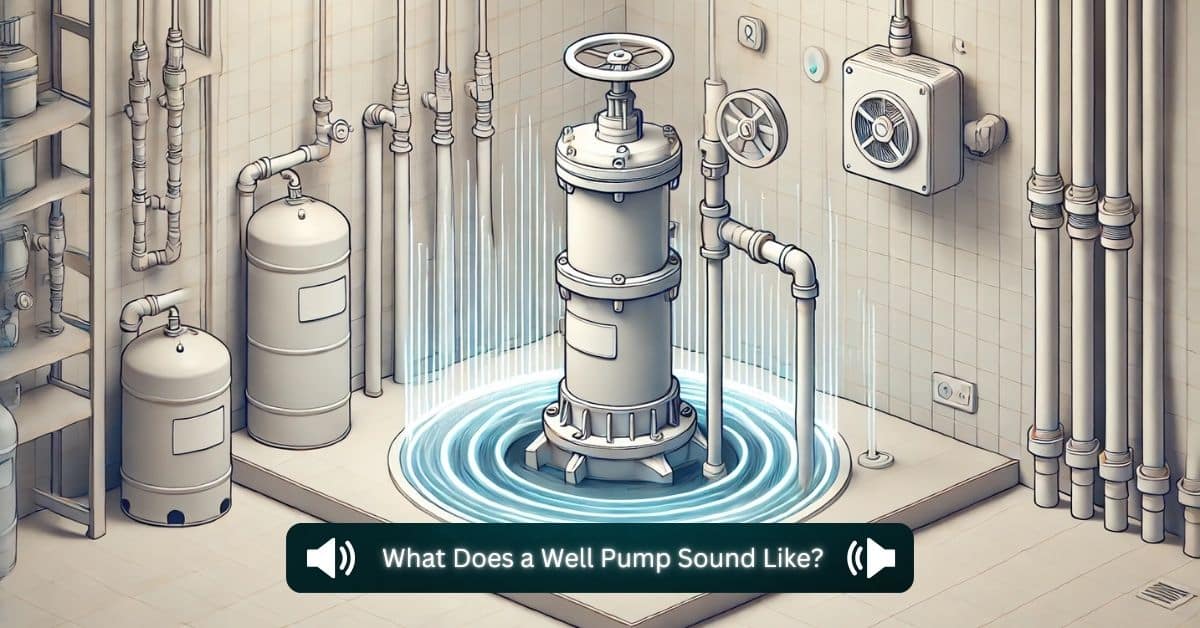
When it comes to well pumps, sounds can tell you a lot about their condition. A well pump in good working order typically produces a consistent low hum, while unusual noises may indicate underlying issues. Knowing what these sounds mean can save you time and money by helping you address problems before they escalate.
Familiarising yourself with the normal sounds your pump makes can prevent unnecessary stress. I’ve seen too many homeowners worry over noises that might not be a concern at all. Understanding your well pump system and recognising potential issues can lead to better performance and longevity of your equipment.
If you’ve ever wondered if that clunking noise is a cause for alarm or just a normal part of the pump’s operation, you’re in the right place. Let’s break down the sounds you might hear and what they could mean for your well pump.
Key Takeaways
- A well pump usually makes a steady hum when functioning properly.
- Understanding pump sounds can help in early identification of problems.
- Knowing when to call a professional can save time and prevent further issues.
Understanding Your Well Pump System
A well pump system can seem complex, but it’s quite straightforward once you break it down. Understanding its components and the different types of pumps will help you identify any issues and maintain your system properly.
Components of a Well Pump System
In a well pump system, several key components work together to deliver water to your home. The well pump is at the heart of the system. It draws water from underground and pumps it into your home’s plumbing.
Next, there’s the pressure tank. This tank stores water and helps maintain consistent pressure. A check valve prevents backflow, ensuring that water doesn’t flow back into the well.
The pump relay switch and pressure switch control when the pump turns on and off, maintaining the right pressure. Finally, the control box houses electrical components that help run the pump. Together, these components ensure your water system operates smoothly while minimizing plumbing system noise.
Types of Well Pumps
There are two main types of well pumps: submersible pumps and jet pumps.
Submersible pumps are designed to be submerged in water. They’re efficient for deep wells and often quieter than surface pumps. I like them because they reduce plumbing system noise since they’re underground.
Jet pumps, on the other hand, are above ground and work by creating suction to draw water up. They are more suitable for shallow wells.
Choosing between them depends on your well’s depth and personal preferences. Knowing these distinctions will help you understand your setup better and troubleshoot any issues down the line.
Common Well Pump Noises and Their Meanings
I know that understanding the sounds your well pump makes can help you identify any potential problems. Here, I’ll cover the normal sounds to expect and the unusual noises that may signal an issue.
Identifying Normal Pump Sounds
Most well pumps will make some noise during operation. A consistent, low hum is common when the pump is functioning correctly. This sound usually blends into the background and isn’t bothersome.
If you hear a low humming sound, it likely means the pump is running smoothly. Some pumps might also produce a soft clicking noise as the pressure switch operates. This is generally nothing to worry about.
Other normal sounds include occasional rattling from the pipes, which can occur due to vibrations. If the sounds are soft and rhythmic, you’re probably in the clear.
Diagnosing Unusual Pump Noises
When things go wrong, the sounds can change dramatically. A loud banging noise, or what’s often called “water hammer,” can indicate that pressure fluctuates too quickly. This issue can lead to damage if not addressed.
A grinding noise usually suggests wear on pump components, like the impeller. If you hear a pronounced hammering sound, check the pressure tank and valves.
In some cases, a loud humming can point to electrical problems or a stuck impeller. If you hear clicking noises, they may indicate a malfunction in the pressure switch.
Troubleshooting Noisy Pump Problems
If your well pump is making unusual sounds, it’s essential to identify the root cause of the noise. Addressing these issues promptly can prevent further damage and keep your water supply running smoothly. Below are key areas to check when dealing with a noisy pump.
Short Cycling Issues
Short cycling happens when your pump turns on and off frequently without maintaining steady pressure. This could indicate a faulty pressure control switch or a leaky suction line.
Signs of short cycling include:
- Frequent pump activation
- Fluctuating water pressure
To fix this, first check the pressure tank. Make sure it is properly charged. If the tank is waterlogged, it may not hold pressure effectively. Regularly inspecting the pressure control switch for damage can also help prevent this issue.
Waterlogged Pressure Tank
A waterlogged pressure tank can create a loud banging noise when the pump operates. This occurs when the air bladder inside the tank becomes saturated with water, preventing proper pressure management.
To diagnose this issue, feel the tank. If it’s heavy or full of water, it’s likely waterlogged. You can fix this by draining the tank and restoring the air pressure. Adding air can often resolve the problem.
Solving Cavitation
Cavitation causes a grinding or rattling noise when your pump is struggling to create enough pressure. This often happens due to low water levels or a damaged impeller.
To solve cavitation, first check the water source. If your well is running dry, the pump will struggle. Inspect the impeller for damage; if it’s compromised, replacing it may be necessary. Ensuring your pump is the right size for your demands is also vital to prevent future issues.
Addressing Air Traps
Trapped air can cause whistling or vibrating sounds during pump operation. Air can enter the system through leaks in the suction line.
To solve air traps, examine the suction line for leaks. Tightening connections and replacing damaged sections can often fix this issue. You may also need to bleed the system to remove any trapped air.
Fixing Loose Parts
Loose components in your pump can lead to a range of unusual noises, including rattling or clunking. These parts may include bolts, screws, or even the motor itself.
To address this, inspect all visible components while the pump is off. Tighten any loose screws, bolts, or fittings. If any parts are worn down or damaged, replacing them is crucial to keep everything running smoothly. Regular maintenance checks can help prevent these issues before they escalate.
Optimizing Well Pump Performance
Ensuring your well pump operates effectively involves a few key strategies. Focus on regular maintenance, the right installation, and noise-reduction techniques. These will help to maintain water flow and pressure while minimizing disruptions.
Regular Maintenance Routines
I can’t stress enough how important routine maintenance is for your well pump. Regular check-ups not only extend the life of the pump but also ensure that it operates at optimal efficiency.
I recommend starting with a monthly inspection. Look for signs of wear, such as vibrations or unusual sounds. Tighten any loose fittings to prevent leaks. Keeping an eye on the pump’s motor bearings can also identify issues before they escalate.
You should also check the pressure tank settings to ensure proper water pressure, ideally between 40 and 60 PSI. This balance helps to avoid unnecessary stress on the pump. Lastly, flushing the system annually can remove sediment build-up that may affect water flow and quality.
Proper Pump Sizing and Installation
An incorrectly sized pump can cause major problems. If it’s too small, it might struggle to deliver adequate water flow. Conversely, an oversized pump can lead to increased wear and premature failure.
During installation, I always prioritize proper alignment and secure mounting. This reduces vibrations that could affect the pump’s performance. Ensuring that all plumbing connections are tight can also help prevent issues down the line.
When purchasing a new pump, consider your household’s water needs and consult with a professional. They can help determine the best pump size based on gallons per minute (GPM) requirements.
Reducing Noise with Insulation
Noise from a well pump can be disruptive, but there are ways to reduce it. Insulating the pump and surrounding pipes can significantly lower sound levels.
I often recommend using acoustic barriers or foam insulation. These materials effectively dampen vibrations. Positioning the pump on a rubber mat can also absorb sound.
Keep in mind that excessive noise might indicate underlying issues, like damaged motor bearings or plumbing problems. Addressing these promptly can prevent further damage and keep your home environment peaceful. Proper maintenance and noise reduction methods can improve your pump’s lifespan and performance significantly.
When to Call a Professional
Sometimes, your well pump may make unusual sounds that signal trouble. Recognizing these signs can save you time and money. If you’re unsure what those noises mean, it’s crucial to know when to bring in the experts.
Signs of Serious Well Pump Issues
I’ve seen pumps that made noises indicating serious problems. For example, if you hear a screaming noise or a grinding sound, it’s likely that the bearings are worn or damaged. This can lead to excessive bearing wear and may require immediate attention.
Another sign is water hammering, which produces loud banging noises. This often indicates issues with the pressure tank or pump cycling frequency. If you feel vibrations or notice water flow fluctuating, that’s another red flag. Sometimes, these issues stem from cavitation, which can damage the impeller. If the pump is producing constant loud noises or shows signs of bearing wear, don’t hesitate to reach out to a professional.
Selecting the Right Service for Your Pump
Choosing the right service is critical to solve your pump issues effectively. Look for a company that specializes in well pumps and has good reviews. I prefer services that offer a detailed inspection to check for problems such as worn bearings or a damaged impeller.
Ask for qualifications and experience in diagnosing issues related to loud noises and vibrations. It’s also helpful to find a service that can handle pump repairs and replacements. A knowledgeable technician can spot problems early, saving you from costly repairs down the line. Make sure they provide a clear estimate so you know what to expect, keeping your budget in check while addressing the issues your pump is facing.
Frequently Asked Questions
When it comes to well pumps, understanding the sounds they make is crucial. Many homeowners have common concerns about noise levels and what they indicate about the pump’s condition. Here are some questions I often hear.
What sort of sound indicates a failing well pump?
If your well pump is failing, you might hear a loud humming or buzzing noise. This sound usually suggests that the motor is struggling to operate. Additionally, strange rattling or grinding noises can indicate worn-out components.
How does a noisy well pump usually manifest itself in the home?
A noisy well pump can be felt through vibrations in the pipes or walls. You may also notice water pressure fluctuations. In some cases, the noise can be so loud that it disrupts your regular household activities.
Can a well pump generate a hissing noise, and what does that mean?
Yes, a well pump can make a hissing noise. This often indicates a problem with the water flow, possibly due to a leak or air trapped in the system. It’s essential to investigate this sound quickly to prevent further damage.
When can you tell it’s time for a new well pump based on the sounds it makes?
If your well pump is consistently loud, produces unusual noises, or fails to maintain water pressure, it might be time for a replacement. A persistent hum or grinding sound that doesn’t go away can signal serious issues.
Is it common for a well pressure tank to produce sounds, and what might those be?
Yes, it’s normal for a well pressure tank to make sounds. You might hear clicking or thumping when the pump cycles on and off. These sounds typically occur as part of normal operation, but be alert for any unusual changes in volume or frequency.
What does it mean when your well pump starts making cavitation noises?
Cavitation noises sound like a series of rapid clicks or bangs. This can occur when there’s insufficient water flowing into the pump. It often indicates that the pump is not getting enough pressure, which can lead to damage if not addressed.

Thomas Peterson
Owner WSA
About the Author
Latest Posts
Born and raised in Nanaimo on Vancouver Island. Thomas gained a deep appreciation for the importance of clean, reliable water. With over 15 years of experience working with water treatment systems, Thomas has become a trusted expert in helping local homeowners and businesses resolve the unique challenges of well water across the Island.
From hard water and iron buildup to low water pressure and sediment issues, Thomas takes a practical, no-nonsense approach to solving water problems. Whether it’s installing filtration systems or troubleshooting well pump issues, Thomas focuses on long-lasting solutions that help people get the clean, safe water they need.
As a proud local professional, Thomas is dedicated to serving his community with honesty, quality service, and expert advice tailored to the water conditions of Vancouver Island.
Areas of Expertise: Well Service, Well Pumps, Water Filtration Systems
- Clack Water Softener Alternatives: Top Systems for Hard Water Treatment in 2025 November 8, 2025
- Best Well Water Test Kit Options for Safe Home Water Testing in 2025 November 5, 2025
- Best Well Water TDS Meter for Accurate Home Testing in 2025 November 1, 2025
- Best Well Water Sediment Filter Systems for Clean Home Water in 2025 October 29, 2025
- Best Well Water Saltless Water Softener Systems for 2025 October 26, 2025
Facebook Twitter LinkedIn Instagram Reddit
Fact Checked & Editorial Guidelines
Our Fact Checking Process
We prioritize accuracy and integrity in our content. Here’s how we maintain high standards:
- Expert Review: All articles are reviewed by subject matter experts.
- Source Validation: Information is backed by credible, up-to-date sources.
- Transparency: We clearly cite references and disclose potential conflicts.
Your trust is important. Learn more about our fact checking process and editorial policy.
Reviewed by: Subject Matter Experts
Our Review Board
Our content is carefully reviewed by experienced professionals to ensure accuracy and relevance.
- Qualified Experts: Each article is assessed by specialists with field-specific knowledge.
- Up-to-date Insights: We incorporate the latest research, trends, and standards.
- Commitment to Quality: Reviewers ensure clarity, correctness, and completeness.
Look for the expert-reviewed label to read content you can trust.