
What Causes a Well Pump to Lose Its Prime? (Explained)
What Causes a Well Pump to Lose Its Prime? A well pump loses its prime due to air leaks in the suction line, malfunctioning foot valves, or pump wear and tear.

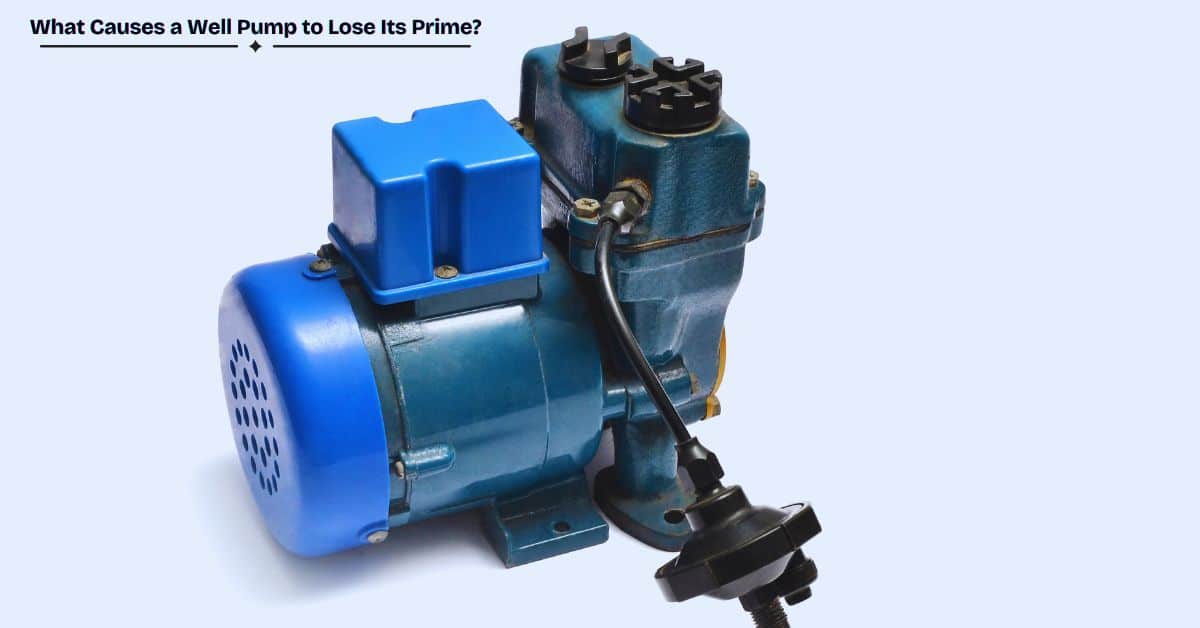
Well pumps are essential for delivering water to our homes, but there are times when they can lose their prime. A well pump loses its prime due to air leaks in the suction line, malfunctioning foot valves, or pump wear and tear. These issues can not only cause frustration but also lead to costly repairs if not addressed quickly.
It’s important to understand the common culprits behind this problem so you can troubleshoot and resolve it effectively. Regular maintenance and awareness of how your well pump operates can save you time and money in the long run. In the following sections, I’ll share insights on what to look for and how to keep your well pump running smoothly.
Understanding Well Pump Priming
When dealing with well pumps, it’s essential to grasp how priming works. Without proper priming, a pump can’t draw water, which leads to frustration and potential damage. Let’s dive into the fundamentals of the priming process and look at the two main types of well pumps.
Priming Process Fundamentals
The priming process is about filling the pump with water, creating a vacuum to allow water to flow. A pump loses its prime when air enters the system, disrupting this balance.
To prime a pump, I first shut it off and fill the pump housing with water. Then, I turn the pump back on to create suction. This can be impacted by various factors, including air leaks in the suction line or clogs in the impeller.
A few common reasons for losing prime include:
- Air Leaks: Any crack or loose connection can let air in.
- Clogs: Debris can block the water flow and stop the pump from working.
- Foot Valves: These valves should prevent backflow. If they fail, the pump will lose its prime.
Types of Well Pumps
There are two main types of well pumps: jet pumps and submersible pumps. Each has unique characteristics that affect how they work and their need for priming.
Jet Pumps are usually above ground. They use a jet of water to create a vacuum that draws water from the well. These pumps require regular priming, especially if they’re not used often. They can lose prime quickly if there’s a leak in the intake line.
Submersible Pumps, on the other hand, are located underwater. They are designed to push water to the surface rather than pull it. Because they stay underwater, submersible pumps typically don’t lose prime as easily as jet pumps. However, they can still face issues, like blockages or electrical problems.
Common Causes of Losing Prime
When a well pump loses its prime, it can lead to water pressure issues and interruptions in your supply. Several specific factors contribute to this problem, including leaks, complications with the suction side, blockages, and concerns about water levels.
Leakage Issues
One of the most common reasons a well pump loses its prime is due to leaks in the well piping. Even minor leaks can allow air to enter the system, breaking the vacuum needed for the pump to operate effectively.
I often check various areas, such as the connections at the well casing and any joints in the suction line. If I notice drops of water, that’s a clear sign of trouble. A faulty foot valve can also contribute to this problem. If the foot valve is compromised, it won’t hold water correctly, leading to prime loss between pumping cycles.
Suction Side Complications
The suction side of your pump is crucial for maintaining prime. If there’s an issue here, it’s only a matter of time before water pressure drops. I regularly inspect the suction pipes and fittings for any signs of wear or damage.
If these components are loose or cracked, air can sneak in and cause the pump to lose its prime. Checking the pressure tank and ensuring the pressure gauge reflects the correct levels is essential. When pressure drops unexpectedly, it often points to a problem on the suction side that needs immediate attention.
Blockages and Obstructions
Clogs can become a significant issue within the system, especially if debris or sediment accumulates in the suction strainer or along the pipe. I always keep an eye out for any signs of blockage, as this can greatly hinder performance.
Debris obstructing the foot valve can prevent water from entering the pump, causing it to lose prime. This is why it’s critical to maintain the intake area and remove any potential clogs. Regular cleaning and checking for these blockages can save a lot of hassle down the road.
Water Level and Pressure Concerns
Finally, water level and pressure in the well are pertinent factors. If the water level drops too low due to drought or overuse, the pump may have difficulty drawing water, leading to a loss of prime.
I make it a habit to monitor the water level using a gauge to assess whether it’s sustainable.
If I find that the pressure tank is not maintaining adequate pressure, it might indicate that the well requires adjustment or even service. Understanding these concerns can make all the difference in keeping your system running smoothly.
Troubleshooting and Maintenance
Keeping your well pump in good working condition requires regular attention. I’ll touch on important practices that can help maintain your system, how to troubleshoot common issues, and when to call in a professional for support.
Regular Maintenance Practices
Regular maintenance is key to keeping your well pump functioning well. I recommend checking the connections and fittings for any signs of leakage.
Here are some maintenance tips:
- Inspect the pressure switch and clean it if necessary.
- Flush the well to clear any mineral buildup.
- Check the Electrical Connections. Ensure connections are secure and free from corrosion.
Doing these checks every few months helps prevent bigger issues down the line. Keeping a maintenance log can also help track any changes I notice over time.
Addressing Repeated Loss of Prime
If you find your pump repeatedly loses its prime, it’s essential to troubleshoot immediately. First, I’d check for leaks on the intake side of the pump.
Common issues include:
- Cracked pipes or improper fittings.
- A faulty foot valve in the well.
- Low water levels in the well itself.
If these basic checks don’t resolve the problem, I might recommend checking the pump impeller and ensuring it’s clean. Regular inspections can help catch these problems early, preventing further damage to your pump.
Professional Repair and Installation
Sometimes DIY fixes just won’t cut it. If the problem persists or feels beyond my expertise, I’m not afraid to call a professional. A well-trained technician can accurately diagnose issues that I might miss.
Here’s when to consider this option:
- If I notice continual loss of pressure.
- When electrical issues arise that I can’t fix.
- Any signs of serious wear on the pump components.
Investing in professional repair ensures not only that the current issue gets resolved but also that I’m less likely to face similar problems in the future. This could potentially save me money and headaches down the line.
Technical Insights into Well Pump Systems
Understanding how well pump systems work can help troubleshoot issues like losing prime. I’ll break down the mechanics, flow rates, and key components involved in maintaining an efficient system.
Casing and Pump Mechanics
The well casing is essential for supporting the well and protecting the water supply. It’s usually made from steel or PVC and prevents surface contaminants from entering. The type of pump—whether a jet pump or a submersible pump—will affect how the system operates.
Jet pumps draw water from the well using suction, while submersible pumps push water to the surface. Both types rely on a properly sealed casing to function effectively. If the casing is compromised, it can cause air leaks, leading to a loss of prime. Regular inspections are crucial to detect problems early.
Assessing Well Flow Rate
Well flow rate is vital for the pump’s efficiency. It indicates how much water the well can deliver, directly impacting pump performance. I measure the flow rate in gallons per minute (GPM) to ensure the system meets my needs.
If the flow rate declines, it might be time to check for blockages or changes in groundwater levels. Additionally, a low flow rate can indicate that the pump is working harder than it should, which may lead to wear and tear. Keeping an eye on flow rates helps me decide when maintenance is necessary.
Intake Line and Shaft Seal Examination
The intake line and shaft seal play crucial roles in pump operation. The intake line brings water into the pump, and any leaks can lead to air entering the system, causing priming issues. Inspecting the entire intake line, including connections, for leaks is a key part of my maintenance routine.
The shaft seal prevents water from leaking out where the pump motor meets its housing. A compromised seal can reduce the water pressure and introduce air into the system. Regularly checking both components helps ensure reliable pump operation.
Identifying and Replacing Faulty Components
Sometimes, components in the well pump system wear out or fail. Common culprits include foot valves, pressure switches, and the drop pipe. The foot valve keeps water in the pump when it’s not running, while the pressure switch controls when the pump turns on and off.
If I notice the pump losing prime, I start troubleshooting these parts. If a foot valve is stuck open, it will allow water to drain back into the well, causing a loss of prime. Replacing faulty components quickly is key to maintaining a functioning system.
Single versus Double Pipe Systems
When deciding between single and double pipe systems, I consider the advantages of each. A single pipe system uses one pipe for both intake and return, which simplifies installation. However, it may be less efficient in maintaining prime, especially in deeper wells.
On the other hand, double pipe systems use separate pipes for intake and discharge. This setup tends to be more reliable for holding prime. While it might require more initial investment and space, I often find it pays off in efficiency and reliability.
Frequently Asked Questions
There are several reasons why a well pump may lose its prime. Below, I’ve addressed common questions that homeowners often ask about these issues.
What could be causing my well pump to lose prime when the system is inactive?
If your well pump loses prime while not in use, it might be due to air leaks in the suction line. Cracks in the pipes or loose fittings can allow air to enter the system. Additionally, a faulty foot valve can also cause this problem by not maintaining a proper seal.
Why does my well pump require re-priming following an electrical outage?
After a power outage, the loss of water pressure may require re-priming. The pump may not be able to draw water if the suction line has air trapped in it. In such cases, it’s important to check for leaks and ensure that the foot valve is functioning correctly before re-priming.
Can you explain why a well pump would begin to lose prime while it’s operational?
Operational loss of prime can happen when the pump is working harder than the well can supply. If the water level drops too low, the pump may draw air instead of water. Additionally, wear and tear on internal components can also lead to issues with maintaining prime.
How does an issue with the well pump foot valve affect the pump’s ability to maintain prime?
The foot valve is crucial for keeping water in the line when the pump is off. If the foot valve fails, water can drain back down into the well, causing the pump to lose prime. I recommend checking this valve regularly as part of your maintenance routine.
Why might there be a loss of pressure in my well pump when there are no apparent leaks?
Sometimes, loss of pressure can be caused by a clogged filter or a blocked impeller. Even if no leaks are visible, these issues can restrict water flow and lead to a loss of pressure. It’s important to inspect and clean these components as needed.
What should I do when I need to prime my well pump before each use?
If you find yourself needing to prime your well pump each time, start by checking for leaks in the suction line. Ensure that all connections are tight. You may also want to consider installing a foot valve if you haven’t already, as it helps maintain prime and reduces the need for frequent priming.

Thomas Peterson
Owner WSA
About the Author
Latest Posts
Born and raised in Nanaimo on Vancouver Island. Thomas gained a deep appreciation for the importance of clean, reliable water. With over 15 years of experience working with water treatment systems, Thomas has become a trusted expert in helping local homeowners and businesses resolve the unique challenges of well water across the Island.
From hard water and iron buildup to low water pressure and sediment issues, Thomas takes a practical, no-nonsense approach to solving water problems. Whether it’s installing filtration systems or troubleshooting well pump issues, Thomas focuses on long-lasting solutions that help people get the clean, safe water they need.
As a proud local professional, Thomas is dedicated to serving his community with honesty, quality service, and expert advice tailored to the water conditions of Vancouver Island.
Areas of Expertise: Well Service, Well Pumps, Water Filtration Systems
- Clack Water Softener Alternatives: Top Systems for Hard Water Treatment in 2025 November 8, 2025
- Best Well Water Test Kit Options for Safe Home Water Testing in 2025 November 5, 2025
- Best Well Water TDS Meter for Accurate Home Testing in 2025 November 1, 2025
- Best Well Water Sediment Filter Systems for Clean Home Water in 2025 October 29, 2025
- Best Well Water Saltless Water Softener Systems for 2025 October 26, 2025
Facebook Twitter LinkedIn Instagram Reddit
Fact Checked & Editorial Guidelines
Our Fact Checking Process
We prioritize accuracy and integrity in our content. Here’s how we maintain high standards:
- Expert Review: All articles are reviewed by subject matter experts.
- Source Validation: Information is backed by credible, up-to-date sources.
- Transparency: We clearly cite references and disclose potential conflicts.
Your trust is important. Learn more about our fact checking process and editorial policy.
Reviewed by: Subject Matter Experts
Our Review Board
Our content is carefully reviewed by experienced professionals to ensure accuracy and relevance.
- Qualified Experts: Each article is assessed by specialists with field-specific knowledge.
- Up-to-date Insights: We incorporate the latest research, trends, and standards.
- Commitment to Quality: Reviewers ensure clarity, correctness, and completeness.
Look for the expert-reviewed label to read content you can trust.