
How to Use a Pool Cover Pump: Winter Maintenance Tips
How to use a pool cover pump? Using a pool cover pump is essential for maintaining a clean and secure pool area. These pumps are designed to remove excess water

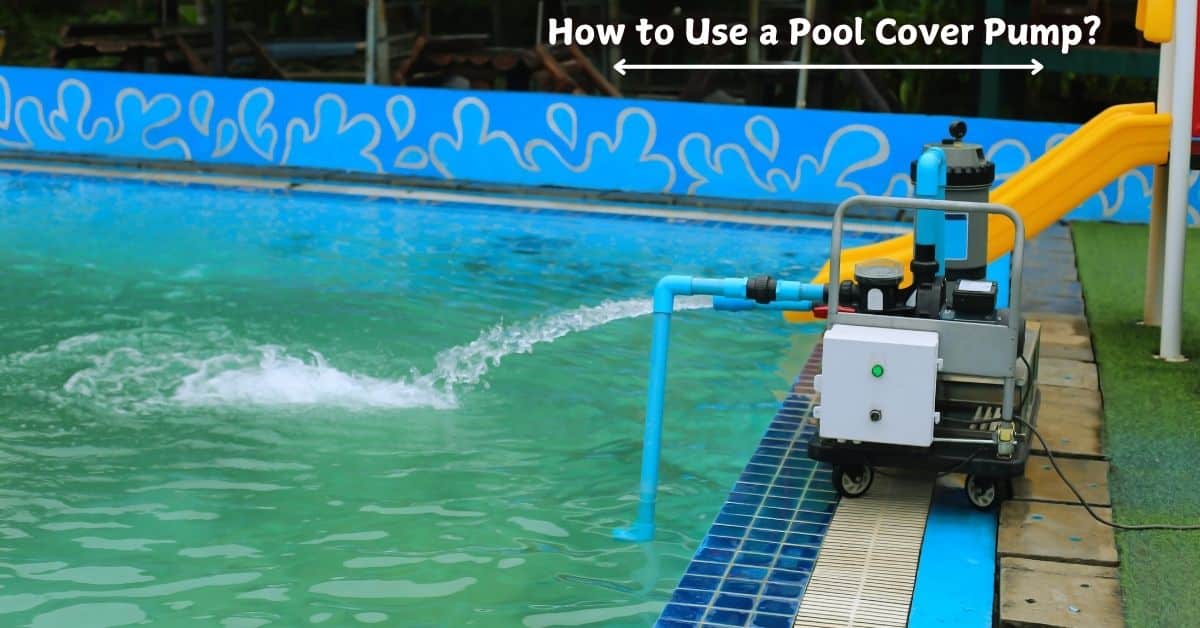
Using a pool cover pump is essential for maintaining a clean and secure pool area. These pumps are designed to remove excess water from your pool cover, preventing damage from accumulated rain or snow. By keeping your pool cover dry, you not only extend its life but also avoid costly repairs down the line. It’s a straightforward process that can save you time and effort during pool season.
When I first started using a pool cover pump, I was surprised by how much easier it made my pool maintenance routine. Setting it up is simple, and once you know the right steps, it’s practically effortless. The right pump can efficiently tackle water buildup, letting me relax and enjoy my pool without worry.
If you’re new to pool care or just want to improve your efficiency, understanding how to use a pool cover pump is the key. From setting it up properly to ensuring it runs smoothly, there’s a lot of value in mastering this skill.
Understanding Pool Cover Pumps
Pool cover pumps play a key role in maintaining your pool cover by efficiently removing water and debris. Knowing the types available, whether to choose a manual or automatic pump, and selecting the right flow rate can make the difference in keeping your pool cover in good shape.
Types of Pool Cover Pumps
There are several types of pool cover pumps to consider. The most common are submersible and non-electric siphon pumps.
Submersible pumps are electric and designed to sit on the cover. They work by draining water quickly, making them ideal for heavy rain conditions.
Non-electric siphon pumps use a simple hand pump mechanism. These are great for those who prefer a manual option and don’t want to rely on electricity.
For specific needs, consider the different brands available, as some may offer better durability or performance based on your unique situation. Overall, knowing the types lets you choose one that fits your needs best.
Manual Vs. Automatic Pumps
When choosing between manual and automatic pumps, consider how often you’ll use it.
Manual pumps require me to operate them, making them suitable for smaller jobs. I have to remember to check the cover and pump out water as needed. This option may work for people who manage their pool regularly.
Automatic pumps, on the other hand, turn on and off based on the water level. This is convenient as it does the work for me. They typically have a float switch that activates the pump when water rises above a certain level. This can save time and effort, especially during heavy rains.
Choosing between these options comes down to how much effort you want to put in.
Selecting the Right Flow Rate
Flow rate is important when choosing a pool cover pump. It is usually measured in gallons per hour (GPH). A higher GPH means the pump will remove water more quickly.
For large pools or areas prone to heavy rain, look for pumps with a flow rate of at least 1,500 to 2,500 GPH. This ensures fast water removal and keeps the cover clear.
If you have a smaller pool, a lower flow rate may suffice. Always check the pump specifications to find one that matches your needs. The right flow rate helps prevent damage to the cover and the pool itself, so it’s worth considering carefully.
Setting Up Your Pool Cover Pump
Setting up your pool cover pump is straightforward and important for maintaining your pool cover. I’ll guide you through the necessary steps, focusing on installation, connecting to a garden hose, and ensuring you have the right power source.
Installation Steps
First, make sure the area around the pool is clear. Then, place the pump on the cover in a location where it will not tip over. Most cover pumps have a flat base designed for stability.
Next, check the water level. It should be at least 2-3 inches for the pump to function. Make sure the pump is positioned so that it can work effectively without any obstructions.
If it’s an automatic model, look for the on/off sensor. Many pumps operate by turning on when they sense about 2 inches of water and shutting off around ¾ inch. It’s important to follow the manufacturer’s instructions for setup to ensure proper operation.
Connecting to a Garden Hose
I recommend connecting a garden hose to the pump for efficient drainage. First, find the hose connection point on the pump. Some pumps come with a garden hose adapter, while others may need an additional fitting.
When attaching the hose, ensure it’s secure to prevent leaks. The hose should be long enough to direct water away from the pool area, ideally leading it to a drain or an area where water won’t pool.
Also, check the hose for any kinks or bends that could block the water flow. A straight path helps the pump function better, reducing stress on the motor.
Power Source and Cord Length
Power is crucial for the pump’s operation. Make sure you have a reliable power source nearby. Most pumps operate on standard electrical outlets, so check to see if the cord will reach.
Cord length matters, too. Avoid using extension cords if possible, as they can lead to electrical issues. If you need an extension cord, choose one that’s heavy-duty and rated for outdoor use.
Also, look for a pump with a long enough cord to minimize the need for extensions. It’s best practice to keep cords out of the water to prevent accidents. Being cautious with power sources ensures safe and efficient pump operation.
Using Your Pool Cover Pump
When using a pool cover pump, knowing how to operate it properly ensures efficient performance. Additionally, following safety protocols will protect both you and your equipment while getting the job done right.
Operation Guidelines
To start, make sure the area around the pump is clear of debris. This prevents blockages that can affect its performance. If you’re using a manual pool cover pump, carefully place it in the right spot to collect water efficiently. For automatic pool cover pumps, set the float switch to ensure it activates when the water reaches a certain level.
Next, plug in the pump and observe its operation. Let it run until most of the water is evacuated. Keep an eye on the discharge hose, making sure it directs water away from your pool. After use, always clean the pump to remove any dirt or debris. This helps maintain its efficiency for future use.
Safety Tips
Safety comes first when using your pool cover pump. Always check the power cord for any damage before plugging it in. If there are frayed wires or any signs of wear, don’t use it. Wet surfaces around the pump can be slippery, so ensure your footing is secure while working.
Whenever you’re near the pump, keep a close watch. It’s vital to never leave a running pump unattended in case of malfunctions. If using an automatic pump, make sure that the float is free to move to avoid stuck positions. Lastly, always unplug the pump after use to prevent any electrical hazards when you’re not around.
Maintenance and Troubleshooting
Keeping your pool cover pump in top shape is essential for performance and durability. Regular maintenance and knowing how to troubleshoot issues will extend its lifespan and ensure that you get the most out of your investment.
Regular Maintenance
To keep your pool cover pump running smoothly, regular maintenance is key. I recommend checking the pump at least once a month, especially during seasons with heavy rainfall.
Tasks to focus on include:
- Cleaning: Remove any debris, leaves, or dirt from the pump and surrounding area.
- Inspecting: Look for signs of wear, such as cracks or rust.
- Testing: Run the pump briefly to ensure it starts without any problems.
By doing this, you’ll help prevent potential issues down the road. Regular upkeep can increase the pump’s durability and performance.
Common Issues
Several problems can arise with pool cover pumps that can affect their effectiveness. One common issue is clogs. Debris can build up inside the pump or the drainage hose, causing water to back up.
Another problem I see often is electrical failure. Connections may become loose or corroded, preventing the pump from working. I also advise checking the float switch, which allows the pump to turn on and off. If it gets stuck, the pump won’t activate when needed.
Troubleshooting Tips
If your pump isn’t performing as it should, here are some steps I take to troubleshoot:
- Check for Clogs: Inspect both the pump and the hose for blockages. Clear out any debris you find.
- Inspect the Power Source: Ensure the pump is plugged in and the circuit is working. Reset the breaker if necessary.
- Test the Float Switch: Gently wiggle it to see if it’s stuck.
- Review the Manual: Sometimes the solution is in the manufacturer’s guidelines.
These steps can often resolve many issues quickly, ensuring that your pump remains reliable and effective.
Additional Considerations
When using a pool cover pump, it’s important to think about specific factors that can make or break your experience. There are practical aspects like portability and storage, noise levels, and the price-to-value ratio. Let’s dig into these considerations to help you make an informed choice.
Portability and Storage
Portability can significantly affect how easy it is to use a pool cover pump. If the pump is lightweight and has a comfortable handle, you can move it around without straining yourself. Ideally, look for a pump that folds or has some form of compact storage.
After the pool season, I always prefer a pump that can tuck away easily in a shed or garage. A small unit can be a real space-saver. Also, check for models with built-in handles or wheels, making transport easy.
Make sure your pump isn’t just functional but also practical for your storage situation. Choose something that fits your needs without taking up too much room.
Noise Level Assessment
The noise level of a pool cover pump is another important aspect. Some pumps can be a bit noisy when they run, so if you live close to neighbors or have pets, this could be an issue. I always look for pumps that advertise quieter operation.
If possible, test the pump’s noise level before buying it. Many people appreciate automatic pumps, which typically run when water levels reach a certain point. This way, you won’t be disturbed constantly.
In quieter neighborhoods, a noisy pump can be a nuisance. So it makes sense to consider how loud the unit will be during operation.
Evaluating Price and Value
The price of pool cover pumps can vary widely, so it’s crucial to evaluate their value. When I look for pumps, I consider both initial cost and durability.
A cheaper pump might save you money upfront but could lead to more repairs or replacements. Researching the best pool cover pumps helps you find options that balance price with essential features. Read reviews to see what users say about long-term reliability.
Also, consider the warranty offered. A longer warranty can indicate confidence in the product. Investing a little more initially may save you money in the long run.
By considering these factors, you can find a pool cover pump that meets your needs effectively.
Conclusion
Using a pool cover pump is straightforward, and every pool owner can benefit from it. It makes water removal from your pool cover easier and quicker, keeping your pool safe and clean.
I recommend checking your pump regularly. It’s a good habit that prevents problems down the line. The pump should ideally have a flat base for stability.
To use it, simply place the pump on the cover where water collects. Automatic pumps will start working when water reaches 2-3 inches and shut off when it gets down to ⅜ of an inch.
Remember, a clean, dry cover protects your pool from debris and helps avoid any damage. If you need tips and tricks, you can find helpful advice in guides like the one from PoolPartsToGo.
Taking these steps will ensure your pool remains in top shape, letting you enjoy it more. Trust me, you’ll thank yourself later.
Frequently Asked Questions
I often get asked about pool cover pumps, and it’s clear that there are some common concerns out there. Let’s tackle the specifics about positioning, troubleshooting, and maintaining these handy devices through winter.
What’s the best way to position a pool cover pump on an above ground pool?
When placing a pool cover pump on an above ground pool, make sure it sits flat on the cover. This prevents tipping, which is crucial for effective drainage. I find it’s best to place it near the lowest point of the cover to ensure all water flows toward it.
What are your tricks for getting a pool cover pump started when it just doesn’t wanna cooperate?
If the pump isn’t starting, check that it’s plugged in and the outlet is working. Sometimes, air locks can form, so I gently lift the pump to release any trapped air. If it’s still stuck, give it a little shake—sometimes that does the trick!
Can you give me the low-down on whether it’s all right to submerge a pool cover pump completely?
Yes, it’s typically safe to submerge a pool cover pump, as they are designed to work underwater. Just ensure that the pump’s electrical components are properly sealed, and never exceed the maximum depth specified by the manufacturer.
How do you tackle the issue of water on the pool cover without a pump in hand?
If you find yourself without a pump, using a wet/dry vacuum can help you remove excess water. You can also use a large sponge or towels to soak up water manually. Just be careful not to disturb the cover too much, as this can create additional problems.
Should I be keeping my pool cover pump on during the entire winter season or is that overdoing it a bit?
I recommend running the pool cover pump periodically throughout the winter, especially after heavy snow or rain. However, you don’t need to keep it on all the time. Just check it regularly to avoid any serious buildup of water.
When your pool cover pump stops working, what are the first troubleshooting steps?
First, check the power source. Make sure the pump is plugged in and the outlet works. Then, inspect the pump for any visible damage or blockages. If it’s still unresponsive, consult the manual for guidance on potential fixes. If you can’t fix it, consider contacting a professional.

Thomas Peterson
Owner WSA
About the Author
Latest Posts
Born and raised in Nanaimo on Vancouver Island. Thomas gained a deep appreciation for the importance of clean, reliable water. With over 15 years of experience working with water treatment systems, Thomas has become a trusted expert in helping local homeowners and businesses resolve the unique challenges of well water across the Island.
From hard water and iron buildup to low water pressure and sediment issues, Thomas takes a practical, no-nonsense approach to solving water problems. Whether it’s installing filtration systems or troubleshooting well pump issues, Thomas focuses on long-lasting solutions that help people get the clean, safe water they need.
As a proud local professional, Thomas is dedicated to serving his community with honesty, quality service, and expert advice tailored to the water conditions of Vancouver Island.
Areas of Expertise: Well Service, Well Pumps, Water Filtration Systems
- Clack Water Softener Alternatives: Top Systems for Hard Water Treatment in 2025 November 8, 2025
- Best Well Water Test Kit Options for Safe Home Water Testing in 2025 November 5, 2025
- Best Well Water TDS Meter for Accurate Home Testing in 2025 November 1, 2025
- Best Well Water Sediment Filter Systems for Clean Home Water in 2025 October 29, 2025
- Best Well Water Saltless Water Softener Systems for 2025 October 26, 2025
Facebook Twitter LinkedIn Instagram Reddit
Fact Checked & Editorial Guidelines
Our Fact Checking Process
We prioritize accuracy and integrity in our content. Here’s how we maintain high standards:
- Expert Review: All articles are reviewed by subject matter experts.
- Source Validation: Information is backed by credible, up-to-date sources.
- Transparency: We clearly cite references and disclose potential conflicts.
Your trust is important. Learn more about our fact checking process and editorial policy.
Reviewed by: Subject Matter Experts
Our Review Board
Our content is carefully reviewed by experienced professionals to ensure accuracy and relevance.
- Qualified Experts: Each article is assessed by specialists with field-specific knowledge.
- Up-to-date Insights: We incorporate the latest research, trends, and standards.
- Commitment to Quality: Reviewers ensure clarity, correctness, and completeness.
Look for the expert-reviewed label to read content you can trust.