
How to Remove Iron Bacteria in Well Water – Step-by-Step
Remove iron bacteria from well water with proven methods. Keep your water safe, clean, and odor-free for home use.

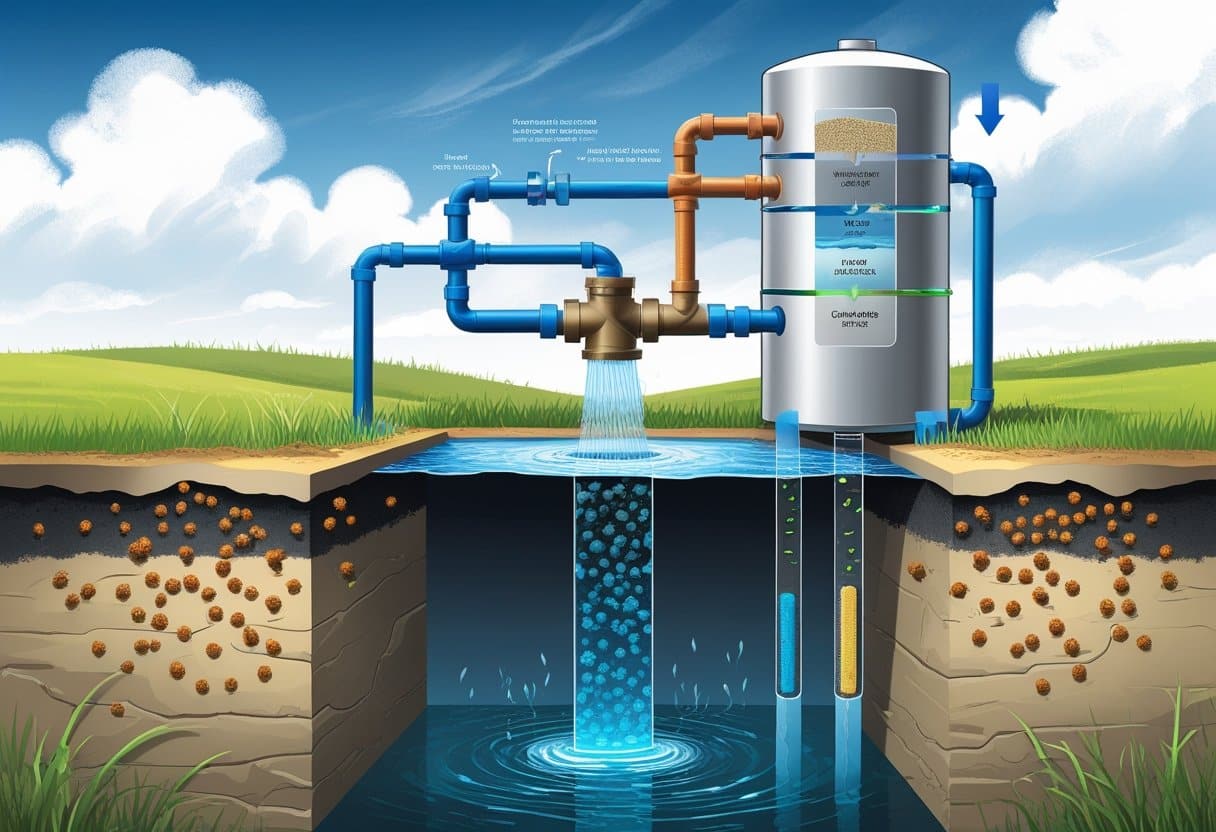
Iron bacteria creates slimy, rust-colored deposits in well water that can damage pipes and make water taste terrible. These tiny organisms combine iron, bacteria, and oxygen to form sticky biofilms that clog plumbing and corrode equipment.
We can remove iron bacteria from well water using three main methods: physical removal of contaminated equipment, shock chlorination to kill existing bacteria, and continuous disinfection systems to prevent regrowth. The most effective approach combines all three treatment methods for complete elimination.
Getting rid of iron bacteria requires patience and the right treatment plan. We’ll show you how to identify the problem, choose the best removal method for your situation, and keep iron bacteria from coming back.
Key Takeaways
- Iron bacteria treatment requires physical cleaning, shock chlorination, and ongoing disinfection to fully eliminate contamination
- Early detection through taste, odor, and visual signs prevents extensive damage to plumbing and appliances
- Professional water testing and treatment may be necessary for severe contamination or complex well systems
Understanding Iron Bacteria in Well Water
Iron bacteria are microorganisms that thrive in iron-rich groundwater environments, creating slimy biofilms that can severely impact water quality and damage well systems. These naturally occurring bacteria feed on dissolved iron and oxygen, producing rust-colored deposits that clog pipes and create unpleasant odors.
What Are Iron Bacteria
Iron bacteria are microorganisms that naturally occur in soil, surface water, and groundwater. These tiny organisms combine iron or manganese with oxygen to survive and multiply.
When we examine iron bacteria closely, we find they’re not actually harmful to human health. However, they create significant problems for well water systems.
Key characteristics include:
- Feed on dissolved iron and oxygen
- Produce sticky, slimy substances called biofilms
- Create rust-colored deposits
- Thrive in iron-rich environments
The bacteria secrete a protective biofilm that appears as reddish-brown, slimy material. This biofilm helps them stick to surfaces inside wells, pipes, and plumbing fixtures.
Iron bacteria are particularly common in areas with high iron content in groundwater. They can enter wells through contaminated drilling equipment or surface water infiltration.
How Iron Bacteria Develop in Private Wells
Iron bacteria have favorable conditions to proliferate in well water systems because groundwater is naturally rich in iron and minerals. Private wells create ideal environments for these microorganisms to multiply rapidly.
Several factors contribute to iron bacteria development:
Environmental conditions:
- High iron content in groundwater
- Presence of oxygen
- Moderate temperatures
- Low water flow areas
Wells that sit unused for extended periods are especially vulnerable. Stagnant water allows bacteria time to establish colonies and build extensive biofilms.
Poor well construction can also lead to problems. Inadequate sealing allows surface contaminants and bacteria to enter the well system.
Once established, iron bacteria dissolve enough iron and secrete rust-colored slime that moves through the water system. The biofilm buildup creates protective layers that make bacteria difficult to eliminate.
Effects of Iron Bacteria on Water Quality and Plumbing
Iron bacteria create multiple problems that affect both water quality and plumbing systems. The biofilm buildup they produce causes immediate and long-term damage to well water infrastructure.
Water quality issues include:
- Foul, swampy odors
- Metallic or rotten vegetable taste
- Reddish-brown water discoloration
- Oily sheens on water surface
The rust-colored biofilms clog pipes and reduce water flow throughout our plumbing systems. We often notice slowed drainage and blocked fixtures as biofilms accumulate.
Iron bacteria cause extensive damage to equipment and plumbing through corrosion. The bacteria produce aggressive chemicals that eat away at metal pipes and fixtures.
Plumbing damage includes:
- Corroded pipes and fittings
- Clogged pumps and filters
- Damaged water heaters and appliances
- Reduced system efficiency
Biofilm buildup acts as insulation in water heaters, forcing them to work harder and use more energy. This leads to higher utility bills and shorter equipment life spans.
Identifying Iron Bacteria Contamination
Iron bacteria creates distinct warning signs that make identification straightforward when you know what to look for. The key indicators include rust-colored staining, sewage-like odors, and slimy deposits that clog pipes and reduce water flow.
Visible Signs and Common Symptoms
Water discoloration is often the first sign we notice. Iron bacteria causes reddish or brownish water that appears cloudy or murky.
This happens when dissolved iron oxidizes after contact with oxygen. Staining appears throughout your home’s fixtures and appliances.
You’ll see rust-colored marks on sinks, toilets, and bathtubs. These stains are particularly noticeable in toilet tanks where iron bacteria builds up over time.
Slimy deposits create the most obvious evidence. Iron bacteria produces sticky, rust-colored biofilms that stick to surfaces.
These deposits may float on water surfaces or coat the inside of pipes and fixtures. Foul odors make water unpleasant to drink or use.
The smell resembles sewage, swamps, or rotting vegetation. Some people describe a slightly sweet metallic taste along with these odors.
Reduced water flow occurs when slimy deposits accumulate. Iron bacteria can clog pipes and block drains over time.
Water Testing and Water Chemistry
Professional laboratory testing provides the most accurate results for iron bacteria detection. Labs can identify specific bacterial strains and measure contamination levels precisely.
BART testing kits offer an affordable home testing option. These biological activity tests cost around $40 to $50 and detect iron bacteria presence over 8 days of monitoring.
Water chemistry analysis reveals supporting conditions for bacterial growth. High iron levels above 0.3 mg/L combined with low oxygen environments create ideal conditions for iron bacteria.
pH levels between 5.5 and 8.5 support iron bacteria growth. Testing pH along with iron content helps confirm whether conditions favor bacterial development.
Testing frequency should increase if you notice symptoms. We recommend annual testing for wells with previous iron bacteria issues.
Distinguishing Iron Bacteria from Other Issues
Iron staining without bacteria creates similar discoloration but lacks the slimy texture. Pure iron contamination produces clear water that turns red when exposed to air, while iron bacteria creates cloudy water with visible deposits.
Sulfur bacteria causes similar odors but produces black or dark deposits instead of rust-colored slime. The rotten egg smell from sulfur bacteria is typically stronger than iron bacteria odors.
Mineral deposits from hard water create white or gray buildup rather than the reddish-brown slime characteristic of iron bacteria. These deposits feel hard and chalky instead of sticky and slimy.
Pipe corrosion may cause similar staining but won’t produce the organic, sewage-like odors associated with bacterial contamination. Iron bacteria is highly corrosive but creates distinct biological signs that differentiate it from simple metal oxidation.
Immediate Treatment Methods for Iron Bacteria
Shock chlorination kills iron bacteria using high chlorine levels, while physical cleaning removes biofilm buildup from well components.
Shock Chlorination Process
We recommend shock chlorination as the most effective method for immediate iron bacteria treatment. This process uses concentrated chlorine to disinfect the entire well system.
Required chlorine concentration:
- Regular bacteria: 200 ppm
- Iron bacteria: 500 ppm (higher resistance due to protective biofilm)
We start by removing the well cap and adding liquid bleach directly into the well casing. The chlorine must reach every part of the system including the well screens and pump.
Treatment steps:
- Calculate bleach needed based on well depth and diameter
- Add bleach solution through well casing
- Connect garden hose to circulate chlorinated water
- Run water at each faucet until chlorine smell is strong
- Let chlorinated water sit for 6-8 hours
- Flush system completely until chlorine odor disappears
We may need to repeat this process 2-3 times for severe infestations.
Physical Cleaning of Well Components
Physical removal of biofilm requires cleaning accessible well components. We focus on areas where iron bacteria create the thickest buildup.
Key cleaning targets:
- Well cap and casing top
- Pump housing and connections
- Well screens (if accessible)
- Drop pipes
We use stiff brushes to scrub visible biofilm from the well cap and upper casing. The slimy, rust-colored deposits must be physically removed before chlorination.
Cleaning process:
- Remove well cap carefully
- Scrub cap interior and casing rim
- Clean pump connections and visible piping
- Remove any floating biofilm debris
- Rinse with clean water before chlorination
Professional well contractors may need to pull the pump for deeper cleaning. We recommend bypassing water softeners during treatment to prevent damage to the system.
Long-Term Iron Bacteria Control Solutions
We need permanent solutions that keep iron bacteria from coming back after initial treatment. The most effective approaches involve continuous disinfection systems and specialized filtration equipment that work around the clock.
Continuous Chlorination Systems
We recommend continuous chlorination as the gold standard for preventing iron bacteria regrowth. These systems inject chlorine directly into our well water supply at controlled rates.
The system works in three stages. First, it injects chlorine solution into the water line before it enters our home.
Next, the treated water sits in a retention tank for 20-30 minutes to kill all bacteria. Finally, the water passes through carbon filters to remove the chlorine taste and smell.
We need to maintain chlorine levels between 0.5-2.0 ppm for effective bacteria control. Most systems use liquid sodium hypochlorite or calcium hypochlorite tablets.
Key benefits:
- Prevents bacteria from rebuilding biofilm layers
- Works automatically without daily maintenance
- Protects our entire plumbing system
- Reduces iron levels while killing bacteria
We should test our water monthly to ensure proper chlorine residual levels throughout our system.
Advanced Filtration and Iron Filters
We can use specialized iron filters as a secondary defense against iron bacteria problems. These filters remove both dissolved iron and the bacteria that feed on it.
Manganese greensand filters work well for removing iron levels up to 15 ppm. The greensand media oxidizes iron and traps bacteria in the filter bed.
We need to backwash these filters regularly to remove trapped contaminants.
Birm filters handle lower iron levels up to 8 ppm without chemicals. The Birm media acts as a catalyst to convert dissolved iron into particles we can filter out.
We should replace well screens every 5-10 years to prevent bacteria buildup in our well casing. Old screens create perfect breeding grounds for iron bacteria.
Important note: Water softeners cannot remove iron bacteria. We need dedicated iron removal equipment before our water softener to protect it from damage.
Alternative and Supplemental Treatment Options
UV disinfection systems provide chemical-free bacterial control. Aeration methods oxidize dissolved iron to make removal easier.
These approaches work well alongside traditional treatment methods or as standalone solutions for specific water conditions.
UV Systems for Bacterial Disinfection
UV light systems kill iron bacteria without adding chemicals to your water supply. These systems use ultraviolet light to destroy bacterial DNA and stop reproduction.
UV System Benefits:
- No chemical taste or odor
- Kills 99.9% of bacteria
- Low maintenance requirements
- Environmentally safe operation
We recommend installing UV systems after physical filtration to ensure maximum effectiveness. The water must be clear for UV light to penetrate properly.
Most residential UV systems require 40-watt lamps that need replacement every 12 months. Flow rates typically range from 6 to 12 gallons per minute for whole-house systems.
Pre-treatment Requirements:
- Iron levels below 0.3 ppm
- Turbidity under 1 NTU
- Water hardness less than 7 grains per gallon
Aeration and Oxidation Methods
Aeration systems inject air into your water to oxidize dissolved iron and create conditions unfavorable for iron bacteria growth. This process converts soluble iron into particles that filters can remove.
Common Aeration Methods:
- Air injection systems: Force compressed air into water lines
- Venturi aerators: Use water flow to draw in air naturally
- Spray aerators: Create fine water droplets for maximum air contact
These systems typically increase water pH levels, which helps with iron precipitation. Most aeration units require 2-4 minutes of contact time for effective oxidation.
Installation costs range from $800 to $2,500 depending on system size and complexity. Operating costs remain low since these systems use minimal electricity.
Aeration works particularly well for ferrous iron levels between 1-10 ppm. We often pair these systems with sand filters or other media to capture oxidized particles effectively.
Preventing Iron Bacteria Reinfestation
Once we remove iron bacteria from our well water system, maintaining a bacteria-free environment requires consistent well maintenance, iron level management, and regular monitoring.
Well Maintenance and System Upkeep
Regular well maintenance forms the foundation of iron bacteria prevention. We should inspect our well cap annually to ensure it creates a proper seal against contaminants.
A damaged or loose well cap allows surface water and debris to enter our well casing. This creates ideal conditions for bacteria growth.
We need to check that our well cap has intact gaskets and secure fasteners. Any cracks or gaps require immediate repair or replacement.
Our well casing also needs periodic inspection for damage or corrosion. Iron bacteria can establish colonies in crevices and damaged areas of the casing.
Professional well inspections every 3-5 years help identify potential problems before bacteria can take hold. During these inspections, technicians examine the casing integrity and pump system components.
We should also maintain proper water flow throughout our system. Stagnant water areas provide breeding grounds for bacteria.
Flushing rarely used fixtures and running water regularly prevents stagnation.
Reducing Iron and Managing Water Quality
Managing iron levels in our water supply directly impacts bacteria prevention. Iron bacteria thrive in iron-rich environments, so controlling iron concentrations limits their growth potential.
We can install iron filtration systems to maintain consistently low iron levels. These systems remove dissolved iron before bacteria can use it for growth.
Regular filter maintenance ensures optimal performance. We should replace filter media according to manufacturer schedules and monitor system pressure gauges.
Water testing helps us track iron concentrations and catch increases early. We should test our water every 6-12 months for iron content.
Testing becomes more critical if we notice changes in water taste, odor, or appearance. These signs often indicate rising iron levels or early bacterial activity.
Private wells require more vigilant monitoring than municipal systems. We bear full responsibility for maintaining our water quality standards.
Monitoring for Early Signs
Early detection prevents minor iron bacteria problems from becoming major infestations. We should watch for specific warning signs that indicate bacterial activity.
Reddish-brown staining in toilets, sinks, or fixtures signals iron bacteria presence. These stains appear as slimy deposits rather than simple rust marks.
Unusual odors in our water, particularly musty or swampy smells, indicate bacterial growth. We should investigate any changes in water odor immediately.
Changes in water taste, especially metallic or earthy flavors, suggest iron bacteria activity. Fresh, clean water should have minimal taste.
We should establish a regular water testing schedule that includes bacterial testing. Monthly visual inspections combined with quarterly laboratory tests provide comprehensive monitoring.
| Warning Sign | Action Required | Timeline |
|---|---|---|
| Reddish staining | Professional assessment | Within 1 week |
| Musty odors | Water testing | Within 3 days |
| Taste changes | Stop consumption, test water | Immediately |
| Reduced water pressure | System inspection | Within 1 week |
Documenting water quality changes helps us identify patterns and potential sources of contamination. We should keep records of all testing results and maintenance activities.
When to Consult a Water Treatment Professional
Some iron bacteria problems require expert help to solve completely. Complex cases need specialized equipment and knowledge that most homeowners don’t have.
Assessing Persistent and Severe Problems
We should call a professional when iron bacteria problems persist after multiple DIY treatments. If shock chlorination fails twice or three times, the bacteria may be too deeply embedded in our well system.
Signs that require professional help:
- Thick, slimy deposits covering large areas of plumbing
- Complete water flow blockage in multiple fixtures
- Strong sewage odors that return within days of treatment
- Visible rust-colored films floating on water surfaces
We need experts when iron bacteria causes extensive damage to equipment and plumbing. Professionals can assess the full extent of corrosion damage.
They have tools to inspect inside well casings and pipes. This helps determine if replacement parts are needed before treatment begins.
Choosing the Right Iron Bacteria Treatment
Water treatment professionals help us select the most effective long-term solution for our specific situation. They test our water to determine bacteria levels and iron concentration.
Professional treatment options include:
- Chemical injection systems with proper sizing
- Multi-stage filtration designed for our water volume
- Continuous disinfection systems with retention tanks
- Complete well cleaning and equipment replacement
We benefit from their experience with different iron bacteria treatment methods. They know which systems work best for different bacteria levels and home sizes.
Professionals also handle permits and regulations for well modifications. They ensure our treatment system meets local health department requirements for safe drinking water.
Frequently Asked Questions
Iron bacteria treatment involves specific methods like shock chlorination and chemical injection systems. These bacteria pose minimal health risks but create water quality issues that require proper testing and targeted solutions.
What methods can be used to effectively treat iron bacteria in well water?
We recommend shock chlorination as the most common treatment method for iron bacteria. This process uses high chlorine concentrations of about 500 ppm to kill the bacteria.
Chemical injection systems provide continuous treatment. These systems automatically feed chlorine into the well water using a chlorinator pump.
We suggest performing shock chlorination 2-3 times per year if you don’t use a continuous system.
Physical removal methods work for severe cases. These involve cleaning the well casing and removing biofilm buildup directly.
What are the health risks associated with drinking well water contaminated with iron bacteria?
Iron bacteria are not considered a health hazard. The presence of bacteria in drinking water isn’t necessarily dangerous as these types are more of a nuisance issue.
We know that iron bacteria don’t cause illness in humans. They’re naturally occurring microorganisms that simply create water quality problems.
The main concern is that iron bacteria can create conditions where harmful bacteria might grow. This includes coliform and sulfur bacteria that could pose health risks.
Can consuming water with iron bacteria lead to illness, and if so, what are the potential symptoms?
Iron bacteria themselves don’t cause illness or symptoms. These microbes are harmless to your health despite their unpleasant effects on water systems.
We don’t see direct health symptoms from iron bacteria consumption. The bacteria are non-pathogenic and won’t make you sick.
However, iron bacteria can foster conditions for other bacteria types including coliform bacteria. These secondary bacteria could potentially cause health issues.
How does one accurately test for the presence of iron bacteria in well water?
We can perform a simple visual test at home. Fill a clear glass container with water from an unused faucet and let it sit for 24 hours.
If rust-colored fluffy strands or clumps settle at the bottom, iron bacteria are likely present. Clear water or thin rusty sediment indicates little to no bacteria.
Professional laboratory testing provides more accurate results. We recommend using certified labs that offer iron bacteria testing kits with specific collection instructions.
Very few labs test for iron bacteria since there are no drinking water standards. Most testing focuses on other water quality parameters.
Are there any household remedies that are effective against iron bacteria in well water, such as vinegar?
Household remedies like vinegar are not effective against iron bacteria. These bacteria are resistant to mild acids and require stronger disinfectants.
We don’t recommend DIY solutions for iron bacteria removal. The bacteria create protective slime layers that household products cannot penetrate effectively.
Professional treatment methods like chlorination are necessary. Iron bacteria are more resistant to killing agents because they occur in thick protective layers.
Proper treatment requires specific chlorine concentrations and contact times. Home remedies simply lack the strength needed for effective bacteria elimination.
What are the warning signs indicating that well water may be contaminated with iron bacteria?
Rust-colored stains and deposits on fixtures are common warning signs. These stains keep returning despite regular cleaning efforts.
We notice water discoloration as another key indicator. The water may appear yellow, red, or orange with visible slimy deposits.
An oily sheen on the water surface signals bacterial presence. Check your toilet tank for this telltale sign.
Unpleasant odors resembling rotten eggs, fuel oil, or swamp smells indicate bacterial contamination. The smell may be strongest in the morning or after periods of non-use.
Reduced water flow and clogged pipes occur when bacterial slime builds up. This affects appliances and water treatment systems.

Thomas Peterson
Owner WSA
About the Author
Latest Posts
Born and raised in Nanaimo on Vancouver Island. Thomas gained a deep appreciation for the importance of clean, reliable water. With over 15 years of experience working with water treatment systems, Thomas has become a trusted expert in helping local homeowners and businesses resolve the unique challenges of well water across the Island.
From hard water and iron buildup to low water pressure and sediment issues, Thomas takes a practical, no-nonsense approach to solving water problems. Whether it’s installing filtration systems or troubleshooting well pump issues, Thomas focuses on long-lasting solutions that help people get the clean, safe water they need.
As a proud local professional, Thomas is dedicated to serving his community with honesty, quality service, and expert advice tailored to the water conditions of Vancouver Island.
Areas of Expertise: Well Service, Well Pumps, Water Filtration Systems
- Clack Water Softener Alternatives: Top Systems for Hard Water Treatment in 2025 November 8, 2025
- Best Well Water Test Kit Options for Safe Home Water Testing in 2025 November 5, 2025
- Best Well Water TDS Meter for Accurate Home Testing in 2025 November 1, 2025
- Best Well Water Sediment Filter Systems for Clean Home Water in 2025 October 29, 2025
- Best Well Water Saltless Water Softener Systems for 2025 October 26, 2025
Facebook Twitter LinkedIn Instagram Reddit
Fact Checked & Editorial Guidelines
Our Fact Checking Process
We prioritize accuracy and integrity in our content. Here’s how we maintain high standards:
- Expert Review: All articles are reviewed by subject matter experts.
- Source Validation: Information is backed by credible, up-to-date sources.
- Transparency: We clearly cite references and disclose potential conflicts.
Your trust is important. Learn more about our fact checking process and editorial policy.
Reviewed by: Subject Matter Experts
Our Review Board
Our content is carefully reviewed by experienced professionals to ensure accuracy and relevance.
- Qualified Experts: Each article is assessed by specialists with field-specific knowledge.
- Up-to-date Insights: We incorporate the latest research, trends, and standards.
- Commitment to Quality: Reviewers ensure clarity, correctness, and completeness.
Look for the expert-reviewed label to read content you can trust.