
How to Raise a Submersible Well Pump? Step-By-Step Guide
How to raise a submersible well pump? Raising a submersible well pump may seem like a daunting task, but with the right approach, it can be done effectively.

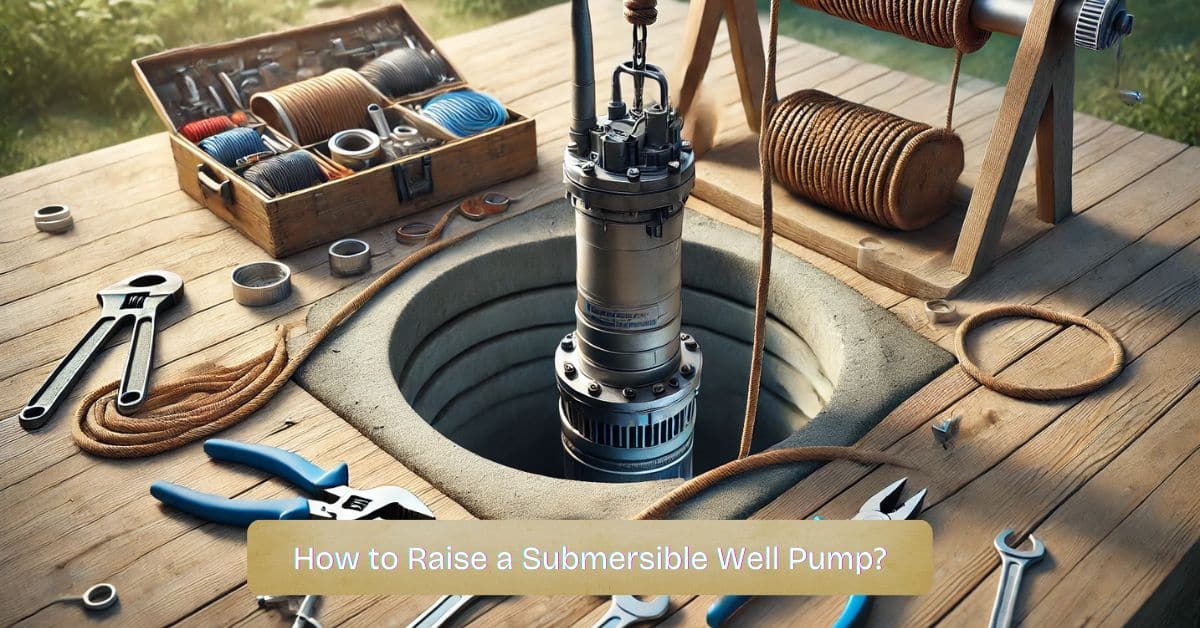
Raising a submersible well pump may seem like a daunting task, but with the right approach, it can be done effectively. The key to raising your pump is to assess your well and water system carefully to determine the best depth for efficient operation. Incorrect placement can lead to problems like sediment build-up or reduced water flow, which can impact your water supply.
I know a thing or two about submersible pumps, and I’ve faced my fair share of challenges. Ensuring that your pump is positioned correctly not only enhances its performance but also maximizes its lifespan. I’ll guide you through the necessary steps to prepare for the installation, execute it seamlessly, and connect everything properly for optimal functionality.
Key Takeaways
- Assess your well and water system to find the right pump depth.
- Prepare thoroughly before installation to avoid complications.
- Regular maintenance is crucial for long-term pump performance.
Understanding Submersible Pumps
Submersible pumps are crucial for drawing water from wells. They operate underwater, making them efficient for both residential and agricultural needs. Knowing the different types and their advantages can help in choosing the best pump for your situation.
Types of Submersible Pumps
There are key types of submersible pumps to consider. The most common are vertical turbine pumps and turbine pumps.
- Vertical turbine pumps are often used in deep wells. They have multiple stages that allow them to lift water from great depths.
- Turbine pumps work similarly but are designed for various applications, including irrigation and municipal water systems.
- Jet pumps can also be submersible, but unlike submersible pumps, they never need priming.
Choosing the right type relies on your well depth and water demand. Each type is tailored for specific needs, ensuring reliable performance when you need it most.
Advantages of Submersible Pumps
Submersible pumps come with several benefits. They are quieter than surface pumps since they operate underwater. The noise reduction can enhance comfort in homes.
Another advantage is efficiency. Because they push water to the surface rather than pulling it, they require less energy. This can result in lower electricity bills.
Maintenance is easier, too. Many submersible pumps are designed with durable materials. This means they resist wear and tear, leading to a longer lifespan.
Lastly, installing a submersible pump prevents air from entering the system. This helps avoid problems like cavitation, which can damage your pump. All these factors contribute to a reliable and effective water supply system.
Assessing Your Well and Water System
When preparing to raise a submersible well pump, it’s crucial to assess your well and water system properly. This involves analysing the water quality, determining the water level, and measuring the well casing dimensions. Each aspect helps ensure that the pump functions effectively and efficiently.
Analyzing Water Quality
First up is water quality. I always recommend testing your water for contaminants and mineral content. This is especially important to identify harmful elements like bacteria, nitrates, or heavy metals.
Testing can be done using a simple water testing kit. I prefer using a professional service for a full analysis. They provide detailed reports on pH levels, hardness, and any potential issues. Understanding water quality helps avoid pump failures and health risks.
If I notice high sediment levels, I might consider a filter system. This prevents clogging in my pump and extends its life.
Determining Water Level
Next, I focus on determining the water level in my well. Knowing the static water level is essential. This is the depth of water when the pump is not in use.
I use a water level measuring tape or a sounder to check the depth accurately. This measurement helps me understand where to set the pump. If the water table fluctuates, I must adjust the pump accordingly.
Pay attention to seasonal changes in the water table as well. Depending on rainfall, my well may not produce water consistently. Ensuring my pump is at the correct depth avoids running it dry, which can harm the motor.
Measuring Well Casing Dimensions
Lastly, I measure the well casing dimensions. The casing is crucial because it protects the well and prevents contamination.
First, I check the diameter of the casing. A standard casing size helps determine the right type of pump. I also look at the depth of the casing in relation to the water level. This ensures that my pump is set adequately within the casing.
If I find that my casing is deteriorating or has cracks, I consider repair options. A compromised casing can lead to contamination and reduced water quality.
Preparing for Pump Installation
Before diving into the installation process, it’s crucial to get everything right from the start. Selecting the proper pump size and gathering the right tools are key steps. Plus, ensuring personal safety cannot be overlooked. Here’s how I prepare for a successful submersible pump installation.
Selecting the Correct Pump Size
Choosing the right pump size is vital. If the pump is too small, it won’t meet water demand, and if it’s too large, it could waste energy and lead to premature wear.
To determine the right size, I consider:
- Flow rate: Measured in gallons per minute (GPM), it should match my household or shop needs.
- Depth of the well: This affects the horsepower needed to push water to the surface.
- Well conditions: Variables like sediment and water quality can influence performance.
To simplify the decision, I often consult with my well driller or refer to the manufacturer’s guidelines. This ensures that my pump replacement fits perfectly into my existing setup.
Gathering Necessary Tools and Materials
Before starting, I gather all necessary tools to streamline the installation. Having everything at hand means I can work efficiently and avoid interruptions.
Here’s a quick list of what I typically need:
- Wrenches and pliers: For securing and loosening fittings.
- Safety rope: To help hoist the pump securely from the well.
- Teflon tape: For sealing threaded connections to prevent leaks.
- A level: To ensure the pump is installed correctly.
It’s also a good idea to have extra hoses or fittings just in case. With all the tools ready, I can focus on the task without scrambling for supplies mid-job.
Ensuring Personal Safety
Safety is my top priority while installing a submersible pump. The well is often a hazardous place, so it’s important to take precautions.
First, I always wear gloves and safety goggles to protect myself from sharp objects and debris. Additionally, I make sure to have a safety rope attached to the pump while I’m lowering it into the well. This prevents accidental drops which can be dangerous.
I also ensure that the area around the well is free of clutter. This minimizes the risk of tripping or falling. If I’m ever in doubt, I consult with professionals to ensure I’m following best practices. By prioritizing safety, I set the stage for a smooth installation process.
Executing the Installation
When executing the installation of a submersible well pump, it’s vital to ensure everything is set up properly for optimal performance. Key areas to focus on include connecting the pump to the plumbing system, installing the pitless adapter, and setting the right pump depth. Let’s dive into the specifics.
Connecting the Pump to the Plumbing System
First, I connect the submersible pump to the plumbing system using black poly pipe. This pipe is durable and resistant to cracking, making it perfect for underground use. I make sure to cut the pipe to the correct length and use a proper connector on both ends.
One of the most important steps is to install check valves. These valves prevent water from flowing back into the well when the pump is off. I often place them about every 20 to 30 feet along the pipe run to ensure maximum efficiency.
Finally, I secure everything with bracket supports to prevent movement. Tightening all fittings prevents leaks and ensures long-term reliability for the entire system.
Installing the Pitless Adapter
Next, I turn my attention to the pitless adapter. This component is essential as it connects the well to the plumbing system above ground without exposing the water to contamination.
To install it, I first ensure that the well cap is removed. Then, I place the pitless adapter securely onto the well casing. This involves using bolts and a wrench to tighten them properly.
It’s crucial to ensure that all seals are tight. I double-check for any gaps to prevent surface water from entering the well. Once installed, I attach a section of pipe that will carry the water up to the surface, ensuring that the transition from the underground to above ground is seamless.
Setting the Pump Depth
Setting the right pump depth is critical for optimal operation. I determine this by considering the water table level and the well’s capacity. As a rule of thumb, I place the pump 10 to 20 feet above the bottom of the well.
To achieve this, I lower the pump into the well carefully, ensuring all wiring and pipes are not twisted or tangled. I use a tape measure to check the depth accurately. Once in position, I secure the pump with a supporting rope or bracket tied to the well cap.
The placement affects the pump’s ability to draw water efficiently, so I take my time with this step. A proper depth ensures a steady flow and reduces the chance of the pump running dry, which could cause damage.
Wiring and Connections
Getting the wiring right is crucial when raising a submersible well pump. Proper connections and protection ensure that the pump operates safely and efficiently. I’ll cover how to attach wire connections securely and what to consider for insulation and protection against wear.
Attaching Wire Connections
When attaching wire connections, I prefer using crimp-on wire connectors. These connectors create a tight, secure bond that stands up to the challenges of being submerged underground. Begin by stripping the ends of the wires about 1 cm.
Steps to follow:
- Select the Right Connector: Ensure that the connector matches the gauge of your wire.
- Insert the Wires: Place the stripped wire ends into the connector.
- Crimp Securely: Use a crimping tool to press down firmly. Make sure there are no loose connections.
After crimping, I always give a gentle tug on each connection. If it holds tight, you’re in good shape. Properly connected wires minimize resistance, which helps the system run smoothly.
Considering Insulation and Protection
Wire insulation is about safety and durability. I’ve seen too many cases where wire insulation wears out, leading to shorts in the system. Choose high-quality insulated wire designed for submersible pumps. The insulation should be rugged and resistant to harsh conditions.
Protect your connections by:
- Using Heat Shrink Tubing: After crimping, slide heat shrink tubing over the connection and heat it. This creates a waterproof seal.
- Checking for Wear: Inspect insulation regularly. Look for cracks, fraying, or signs of wear. If you spot issues, replace the wire immediately to prevent malfunctions.
Taking these precautions helps ensure your well pump stays operational and safe. Proper wiring and protection mean you can rely on your pump when you need water the most.
Final Considerations
When raising a submersible well pump, there are critical steps to ensure smooth operation and long-term efficiency. Taking care of sediment issues and evaluating system performance can significantly enhance the pump’s lifespan and functionality.
Installing a Sediment Filter
After I raise my pump, I always think about installing a sediment filter. This filter works like a guard, keeping unwanted particles from entering the system. It’s essential because sediment can cause wear and tear on the pump’s motor.
To install a sediment filter:
- Choose the Right Filter: Select a filter designed for well water applications.
- Locate the Installation Point: Usually, it’s best to place it above the pump or at the wellhead.
- Follow Manufacturer Instructions: Every filter comes with specific guidelines. I always make sure to adhere to them for optimal performance.
Regularly check the filter for clogs. A clean filter helps maintain proper motor torque by preventing debris from forcing the pump to work harder.
Evaluating System Performance
Once the pump is in place, I continuously monitor its performance. Regular evaluations help catch issues early.
Here are key aspects to check:
- Flow Rate: Measure the water output using a bucket or flow meter. A sudden drop could indicate problems.
- Noise Levels: Listen for unusual sounds. Excessive noise might signal motor stress or sediment issues.
- Vibration: Feeling strong vibrations in the system? It can indicate misalignment or debris affecting the pump.
Using a sump pump in conjunction with my well system can help maintain consistent water levels and keep everything running smoothly. Adjustments may be needed based on these evaluations, ensuring I get the most out of my submersible pump setup.
Maintenance and Troubleshooting
Taking care of your submersible well pump is crucial for its longevity and efficient operation. Proper maintenance ensures smooth water flow and helps identify issues before they become serious problems. Here’s how I approach routine care and diagnosing common issues.
Routine Pump Care
I keep my submersible well pump in top shape through regular maintenance. First, I check the power supply and connections. Any interruptions can affect performance.
Next, I inspect the galvanized steel pipe and water pipes for leaks or corrosion.
I recommend flushing the system occasionally to remove debris, helping prevent clogs. I also ensure that the pump’s pressure switch is working correctly. It controls the pressure settings that keep water flowing smoothly.
Finally, I like to perform a visual inspection of the pump itself, looking for signs of wear or damage. Setting a schedule for maintenance can save me headaches down the road.
Diagnosing Common Issues
When issues arise, I use a systematic approach to identify the problem. If there’s no water, I first check if the circuit breaker has tripped. This is often a simple fix that can save me from a big hassle.
For low water pressure, I inspect the water pipe and any filters. Clogs or blockages can cause low flow.
Strange noises from the pump often signal a malfunction. I listen for grinding or rattling, which could indicate a loose part.
If I’m still having trouble, I consult a professional. They can perform a thorough inspection to diagnose the issue accurately. Early detection can prevent further damage and keep my water supply steady.
Frequently Asked Questions
I’ve tackled some common concerns about submersible well pumps that many people face. Let’s dive into these practical questions and get to the heart of the matter.
What’s the ideal depth to set your submersible pump for maximum efficiency, eh?
The ideal depth for your submersible pump generally falls between 10 to 20 feet above the well bottom. This range helps avoid silt and debris, while still ensuring you’re drawing enough water. Each well is unique, so it’s wise to consider your specific conditions.
Could you give me a run-down on correctly hoisting your well pump?
To hoist your well pump, first, make sure to turn off the power. Use a sturdy rope or a specialized lifting mechanism to avoid injury.
Carefully pull straight up and avoid any tilting, which can damage the pump or casing.
How much leeway should you leave between the bottom of your well and the pump?
It’s smart to leave about 3 to 5 feet of space between the pump and the bottom of the well. This helps prevent sediment from clogging your pump and keeps the intake clear during low water periods.
What are the pro tips for manually lifting a well pump without breaking your back?
Life’s too short for back injuries! Use your legs to lift and ensure you have a good grip.
If the pump is heavy, consider using a pulley system to distribute the weight. Always take your time and avoid rushing the job.
Want to know how to boost your pump’s head for a stronger flow, buddy?
To increase your pump’s head, I suggest checking the pump size and optimizing your plumbing.
If you have a smaller pump, upgrading to a larger model can greatly improve water flow. Also, reduce any bends or kinks in your pipes.
How much height can your submersible pump handle when it comes to lifting water?
Most submersible pumps can handle a lift of around 100 to 400 feet, depending on the model. It’s essential to check your pump’s specifications for exact limits because going beyond that can strain the pump and affect efficiency.

Thomas Peterson
Owner WSA
About the Author
Latest Posts
Born and raised in Nanaimo on Vancouver Island. Thomas gained a deep appreciation for the importance of clean, reliable water. With over 15 years of experience working with water treatment systems, Thomas has become a trusted expert in helping local homeowners and businesses resolve the unique challenges of well water across the Island.
From hard water and iron buildup to low water pressure and sediment issues, Thomas takes a practical, no-nonsense approach to solving water problems. Whether it’s installing filtration systems or troubleshooting well pump issues, Thomas focuses on long-lasting solutions that help people get the clean, safe water they need.
As a proud local professional, Thomas is dedicated to serving his community with honesty, quality service, and expert advice tailored to the water conditions of Vancouver Island.
Areas of Expertise: Well Service, Well Pumps, Water Filtration Systems
- Clack Water Softener Alternatives: Top Systems for Hard Water Treatment in 2025 November 8, 2025
- Best Well Water Test Kit Options for Safe Home Water Testing in 2025 November 5, 2025
- Best Well Water TDS Meter for Accurate Home Testing in 2025 November 1, 2025
- Best Well Water Sediment Filter Systems for Clean Home Water in 2025 October 29, 2025
- Best Well Water Saltless Water Softener Systems for 2025 October 26, 2025
Facebook Twitter LinkedIn Instagram Reddit
Fact Checked & Editorial Guidelines
Our Fact Checking Process
We prioritize accuracy and integrity in our content. Here’s how we maintain high standards:
- Expert Review: All articles are reviewed by subject matter experts.
- Source Validation: Information is backed by credible, up-to-date sources.
- Transparency: We clearly cite references and disclose potential conflicts.
Your trust is important. Learn more about our fact checking process and editorial policy.
Reviewed by: Subject Matter Experts
Our Review Board
Our content is carefully reviewed by experienced professionals to ensure accuracy and relevance.
- Qualified Experts: Each article is assessed by specialists with field-specific knowledge.
- Up-to-date Insights: We incorporate the latest research, trends, and standards.
- Commitment to Quality: Reviewers ensure clarity, correctness, and completeness.
Look for the expert-reviewed label to read content you can trust.