
How to Prime a Flotec Well Pump: Step-by-Step Guide
How to prime a flotec well pump? To successfully prime your pump, start by filling it with water and ensuring all connections are tight. Priming a Flotec well

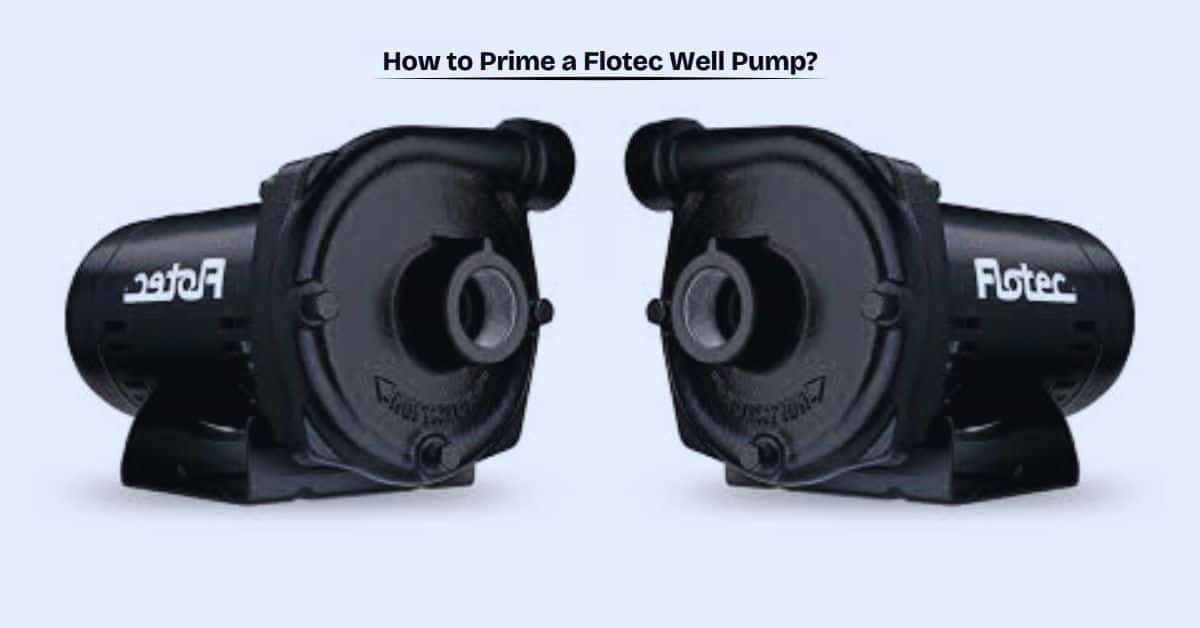
Priming a Flotec well pump is crucial for ensuring it runs efficiently. To successfully prime your pump, start by filling it with water and ensuring all connections are tight. This process helps remove air that can hinder water flow, allowing your pump to operate smoothly. Whether you’re dealing with a new installation or troubleshooting after a power outage, I’ve got the steps to get that pump running at its best.
As someone who’s worked with various well pumps, I understand how frustrating it can be when things don’t go as planned. That’s why knowing the right procedure to prime your Flotec pump can save you time and ensure you have a reliable water supply. Let’s dive into the specific steps you need to take for effective priming, along with some maintenance tips to keep everything functioning over the long haul.
Key Takeaways
- Learn how to properly prime your Flotec well pump for optimal performance.
- Discover essential maintenance practices to extend your pump’s lifespan.
- Get troubleshooting tips to resolve common issues after priming.
Understanding Your Flotec Well Pump
Flotec well pumps come in different types and styles, each designed for specific tasks. Knowing the parts of your pump and how they function can greatly enhance its performance. I’ll also explain what makes these pumps self-priming and enable them to draw water efficiently.
Types of Flotec Pumps
Flotec offers several types of well pumps, including shallow well pumps, jet pumps, and submersible well pumps. Shallow well jet pumps are perfect for wells up to 25 feet deep. They draw water using suction. On the other hand, submersible well pumps operate underwater and push water to the surface, suitable for deeper wells.
Convertible jet pumps can be used for shallow or deep wells. This versatility makes them a great choice if your water needs change. Each pump type has its specific installation requirements and capabilities, so it’s essential to choose the right one based on your well depth and water needs.
Parts and Their Functions
Understanding the parts of your Flotec well pump helps in troubleshooting and maintenance. Key components include the motor, impeller, pump housing, and suction line.
- Motor: This powers the pump. It’s crucial for moving water.
- Impeller: The impeller is the heart of a centrifugal pump. It spins and creates pressure to push water.
- Pump Housing: This encases the impeller and directs water flow.
- Suction Line: This draws water into the pump from the well.
Each of these parts works together to ensure efficient water delivery. Familiarizing myself with them has helped me avoid unnecessary repairs and keep my systems running smoothly.
What Makes a Pump Self-Priming?
A self-priming pump, like many Flotec models, can draw in air and water into a sealed area known as the pump chamber. When the pump is started, this chamber creates a vacuum that pulls water from the well.
Once the pump is filled with water, it can run continuously without needing to be primed again unless air enters the system. This feature is valuable for shallow well applications, where maintaining suction is critical. A self-priming pump saves time and hassle, making it an excellent choice for homeowners.
Preparation for Priming
Before I start priming my Flotec well pump, I need to ensure I’m well-prepared. This involves focusing on safety, gathering necessary tools, and inspecting the well system thoroughly.
Safety First
Safety is paramount when working with a well pump. I always make sure to wear protective gloves and goggles to shield my eyes and hands from any debris or chemicals.
It’s also crucial to turn off the power to the pump at the breaker box. This prevents any accidental starts while I’m working. I keep my work area clear and dry to avoid slips or trips, especially around the pressure gauge and any water connections.
Lastly, I check the area for any visible leaks or water pooling, as this can indicate potential issues with the pump or system. A little caution goes a long way in ensuring a smooth priming process.
Tools and Materials
Having the right tools and materials makes the job easier. Here’s a list of what I need:
- Adjustable Wrench: For tightening fittings and connections.
- Garden Hose: A long one helps to fill the pump and clear air from the system.
- Water Pressure Gauge: This allows me to monitor the pressure levels while priming.
- Check Valves and Foot Valve: These are essential for maintaining pressure and preventing backflow.
Before starting, I also gather a bucket or container to catch any spilled water. With these tools in hand, I can make the priming process more efficient and successful.
Inspecting the Well System
Before I begin priming, I always inspect the well system. I start by checking the foot valve. It should be functioning properly to ensure that water can flow into the pump.
Next, I look at all the pipes and fittings for any signs of wear or leaks. Cracked pipes can lead to inefficiency or failure in the pump’s operation.
I also check the pressure gauge. It should show a consistent reading when the pump is off. If it doesn’t, it could indicate a pressure issue that I need to resolve before I prime the pump.
Taking the time to carefully inspect ensures the well system is in good shape and ready for priming.
The Priming Process
Priming a Flotec well pump is a crucial step to ensure it operates effectively. This process involves removing the prime plug, filling the pump casing with clean water, securing all valves and hoses, and restoring water pressure. Let’s break it down into manageable steps.
Removing the Prime Plug
First, I locate the prime plug on the Flotec well pump. This plug is usually found at the top of the pump. Using a wrench, I carefully twist it counter-clockwise to remove it. I pay attention to avoid damaging the threads.
Once the plug is off, I let any trapped air escape. This is important because trapped air can hinder the pump’s performance. Keeping the area clean is also crucial—we don’t want dirt getting into the pump.
It’s wise to have a rag handy to catch any drips. It helps me keep my workspace tidy and prevents unwanted messes.
Filling the Pump Casing
Next, I fill the pump casing with clean water. For this task, I often use a garden hose connected to a nearby water source. Alternatively, a bucket works well if I don’t have access to a hose.
As I pour water into the casing, I keep an eye on it to ensure it is filled adequately. It’s essential to fill until water begins to overflow slightly from the prime plug hole. This flow indicates that the pump casing is full and all air pockets are eliminated.
After that, I replace the prime plug securely. This prevents any contaminants from entering and keeps the system sealed until I’m ready to operate the pump.
Securing Valves and Hoses
Before I move on, I double-check the check valve and any relief valves attached to the system. These valves help maintain proper pressure and prevent backflow of water. I want to ensure that all connections are tight and leak-free.
I inspect the suction pipe too. If it’s damaged or improperly connected, it can cause problems later on. I use clamps to secure any hoses, making sure they are snug.
This step is crucial for preventing any water loss and ensuring maximum efficiency of the pump system. After everything looks solid, I’m ready for the final phase.
Restoring Water Pressure
With the prime plug in place and hoses secured, it’s time to restore water pressure. I head over to the water tank and slowly open the valve. This gradual opening allows for a smooth influx of water into the system, avoiding sudden surges that could damage the pump.
As the water pressure rises, I listen for any unusual noises. If everything sounds normal, I can check the pressure gauge. It should indicate that the system is working correctly.
After everything stabilizes, I can begin using my well pump without worry. Proper priming ensures that my Flotec pump runs effectively and has a long lifespan.
Troubleshooting Post-Priming Issues
After priming your Flotec well pump, you might still face some challenges. It’s essential to pinpoint issues like water pressure loss or any leaks in the system. Addressing these problems promptly will help ensure that your water supply remains consistent and reliable.
Resolving Water Pressure Loss
If you’re experiencing a drop in water pressure after priming, several factors could be at play. One common culprit is a faulty foot valve. This valve is crucial for keeping water in the pump and preventing backflow. If it’s damaged, you’ll need to replace it to restore adequate pressure.
Another aspect to check is the pressure gauge. If it isn’t functioning correctly, you won’t have an accurate reading. I recommend monitoring the pressure switch as well. It should activate the pump when water drops below a certain level. If it’s not working, adjust or replace it as needed to maintain proper pressure.
Identifying Common Problems
There are specific issues I often see that can affect a Flotec well pump. A leak in the well piping is often a hidden problem that can lead to inadequate water pressure. It’s worth examining all connections and joints visually for any signs of moisture.
If the pump has been running dry, it could lead to damage. I’ve found that addressing this quickly keeps the system functioning smoothly. Ensure your pressure tank is adequately charged and check that there’s no air leak in your piping. Both can contribute to pressure loss, so pay close attention to those areas.
Leak Detection and Repair
Detecting leaks early saves time and money in the long run. To start, listen for unusual noises—gurgling or hissing can indicate where the issue lies. Visually inspecting the piping can also reveal damp spots or corrosion.
Once you identify the leak, I recommend turning off the pump and draining the system. This step will make repairs easier. If the leak is minor, sealing it with plumbing tape might suffice. For more significant breaks, replacement sections of pipe may be necessary. Always ensure that your repairs are fully sealed and tested to maintain the integrity of your water system.
Maintaining Your Flotec Pump for Longevity
Keeping your Flotec pump in top shape is key to its longevity. I want to share a few simple maintenance tips that anyone can follow.
Regular Inspections:
Check your pump and the surrounding area for any signs of wear or damage. Look for leaks or cracks in the casing. Addressing small issues quickly can prevent bigger problems later.
Clear Debris:
Remove any debris or dirt from around the pump. Keeping the area clean helps with proper operation and prevents clogging.
Check the Pressure Regulator:
Ensure your pressure regulator is functioning correctly. This component controls water pressure and can affect how efficiently your pump operates.
Inspect Check Valves:
Check valves are crucial for preventing backflow. Regularly inspect them to make sure they are working properly.
Monitor the Water Level:
Keep an eye on the water level in your well. If the level drops too low, it can damage the pump.
HydroTesting:
Consider hydrotesting your pump periodically to check efficiency. This can help identify any issues before they become severe.
Follow the Manual:
Always refer to the owner’s manual for specific maintenance instructions. Manuals like those for the Flotec FP4105 provide valuable information for optimal operation.
By following these steps, I ensure my Flotec pump runs well for years. Keeping everything in good shape means it will serve me reliably whenever I need it.
Choosing the Right Flotec Pump for Your Needs
Selecting the right Flotec pump is essential for ensuring you have a reliable water supply. There are important factors to consider, including whether your application involves a shallow or deep well and the specific sizing and power requirements for optimal performance.
Shallow vs. Deep Well Applications
When deciding between a shallow well and a deep well application, I find it’s crucial to know the differences in pump types. A shallow-well pump typically works best at depths of 7.6–9.1 metres (25–30 feet) or less. It’s a non-submersible well pump that’s easier to install and maintain. In contrast, a deep well jet pump or a submersible water pump is ideal for deeper applications.
Submersible pumps are submerged in the water, making them effective for depths over 9.1 metres. They are generally more efficient and quieter than surface pumps. Choose based on your well depth to ensure you get the right pump for your needs.
Sizing and Power Requirements
Sizing is another critical element when choosing a Flotec pump. I often consider the flow rate required for my home or project. This is typically measured in gallons per minute (GPM).
Next, determine the power requirement. Most pumps operate on either 115V or 230V. It’s crucial to match the pump’s voltage with the available electrical supply.
Here’s a quick checklist to assist with sizing:
- Flow Rate: Calculate your daily water needs and flow rate.
- Pump Type: Choose between a submersible pump or a surface pump based on your well type.
- Horsepower: Select an appropriate horsepower rating according to your water needs.
Advanced Tips and Techniques
When priming a Flotec well pump, I have some tips that can make the job easier and more effective.
First, check your pressure tank. Make sure it’s properly charged. If it’s too low, the pump may not maintain the right pressure. A well-functioning pressure tank helps ensure a smooth flow when I turn on the tap.
If you’re using a booster pump, ensure it’s compatible with your well pump. This can improve performance, especially if you’re dealing with low water pressure.
Make good use of the priming plug. It’s often located on the pump. Open it to allow air to escape while filling the pump with water. Once water emerges, you can close it up, which helps create suction in the pump.
If you have a one-line jet pump, check the intake valve for any clogs. This simple step can save a lot of headaches later. For two-line jet pumps, ensure both lines are free from debris.
Be aware of pressure gauges. They let you monitor system performance. If your pressure drops unexpectedly, it may indicate a lost prime, which means air has gotten into the system.
Lastly, run the pump for a minute after priming. Keep an eye on performance to spot potential issues early. The more proactive I am, the better my pump will run.
Frequently Asked Questions
I often get questions about priming Flotec well pumps. Many folks want to know the best methods and steps to ensure their pumps run smoothly. Let’s tackle some common queries that come up on this topic.
What’s the best way to reintroduce prime to a deep well pump, eh?
To reintroduce prime to a deep well pump, I usually start by turning off the power. Then, I remove the priming plug and fill the pump with water until it’s full. After that, I replace the plug and turn the power back on. This should help your pump regain its prime.
Can you walk me through the steps for priming a submersible pump, buddy?
For a submersible pump, I first make sure the power is off. I then check the pump’s connections for any air leaks. Once I’m certain everything is tight, I can fill the pump with water through the access point. Finally, I restore the power and monitor the pump for smooth operation.
How can I tell if my well pump has lost its prime, and what should I do next?
If your well pump is running but no water is coming out, it likely lost its prime. I pay attention to any unusual noises or vibrations as signs too. To fix this, turn off the power and follow the priming instructions I’ve shared.
What’s the trick for getting air out of a well pump line without any fuss?
To get air out of a well pump line, I find it effective to open a nearby faucet. This allows water to flow while air escapes. It’s essential to keep the pump running during this process until water flows steadily from the faucet.
How do you prime a shallow well pump that’s connected to a pressure tank, friend?
Priming a shallow well pump connected to a pressure tank starts with ensuring that power is off. I need to open the valve on the pressure tank to release any air. After that, I can fill the pump with water and then turn the power back on to watch for consistent pressure.
What do you do to get your water pump back in prime when it’s acting stubborn?
If my water pump isn’t cooperating, I check for air leaks in the piping first. If everything looks good, I’ll repeat the priming process by refilling the pump with water. I often take my time to ensure all connections are secure, which helps prevent future issues.

Thomas Peterson
Owner WSA
About the Author
Latest Posts
Born and raised in Nanaimo on Vancouver Island. Thomas gained a deep appreciation for the importance of clean, reliable water. With over 15 years of experience working with water treatment systems, Thomas has become a trusted expert in helping local homeowners and businesses resolve the unique challenges of well water across the Island.
From hard water and iron buildup to low water pressure and sediment issues, Thomas takes a practical, no-nonsense approach to solving water problems. Whether it’s installing filtration systems or troubleshooting well pump issues, Thomas focuses on long-lasting solutions that help people get the clean, safe water they need.
As a proud local professional, Thomas is dedicated to serving his community with honesty, quality service, and expert advice tailored to the water conditions of Vancouver Island.
Areas of Expertise: Well Service, Well Pumps, Water Filtration Systems
- Clack Water Softener Alternatives: Top Systems for Hard Water Treatment in 2025 November 8, 2025
- Best Well Water Test Kit Options for Safe Home Water Testing in 2025 November 5, 2025
- Best Well Water TDS Meter for Accurate Home Testing in 2025 November 1, 2025
- Best Well Water Sediment Filter Systems for Clean Home Water in 2025 October 29, 2025
- Best Well Water Saltless Water Softener Systems for 2025 October 26, 2025
Facebook Twitter LinkedIn Instagram Reddit
Fact Checked & Editorial Guidelines
Our Fact Checking Process
We prioritize accuracy and integrity in our content. Here’s how we maintain high standards:
- Expert Review: All articles are reviewed by subject matter experts.
- Source Validation: Information is backed by credible, up-to-date sources.
- Transparency: We clearly cite references and disclose potential conflicts.
Your trust is important. Learn more about our fact checking process and editorial policy.
Reviewed by: Subject Matter Experts
Our Review Board
Our content is carefully reviewed by experienced professionals to ensure accuracy and relevance.
- Qualified Experts: Each article is assessed by specialists with field-specific knowledge.
- Up-to-date Insights: We incorporate the latest research, trends, and standards.
- Commitment to Quality: Reviewers ensure clarity, correctness, and completeness.
Look for the expert-reviewed label to read content you can trust.