
How to Increase Water Pressure on a Well Pump? (Best Guide)
How to increase water pressure on a well pump? Boosting your well pump's water pressure can be achieved with adjustments and maintaining your system properly.

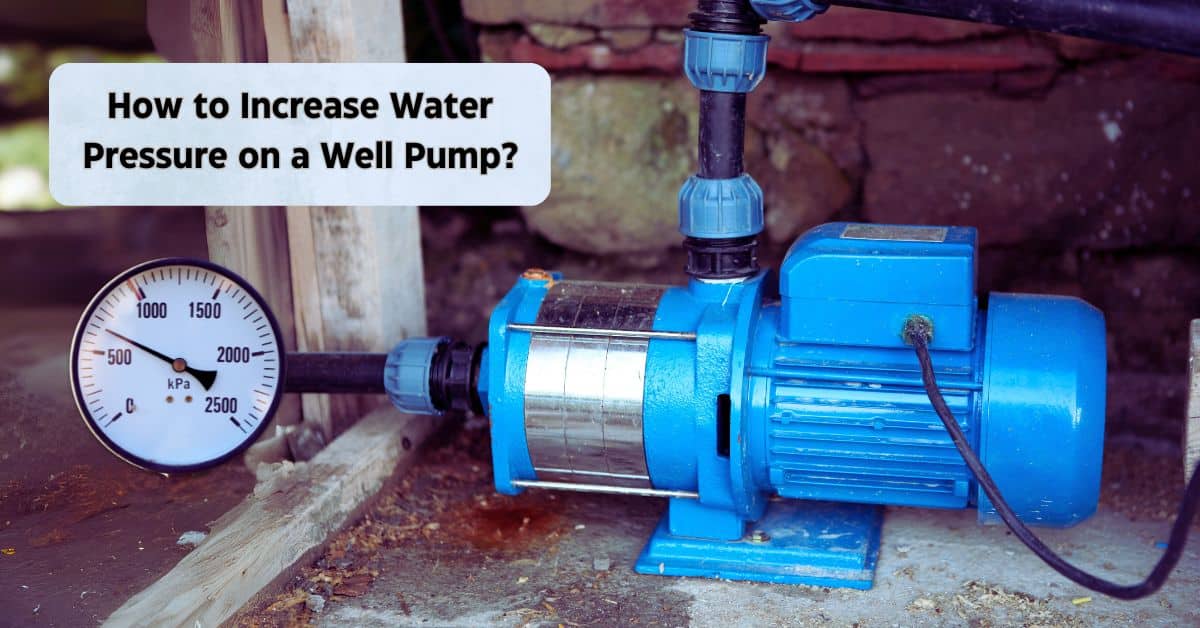
Water pressure is a vital part of an effective well system, and I know how frustrating it can be when that pressure drops. Boosting your well pump’s water pressure can often be achieved with simple adjustments and maintaining your system properly. In this article, I’ll share practical steps and tips to help you improve your well water pressure, ensuring you have a reliable supply for your household.
Understanding your well system and identifying any common issues is crucial for tackling low water pressure. It often comes down to regular inspection and maintenance of your pressure switch and pump. I’ll walk you through the best practices and adjustments needed to enhance water flow, along with insights into dealing with mineral build-up that could be slowing you down.
Gaining control over your water pressure is not just about convenience; it’s essential for the overall functionality of your home. After reading, you’ll have the knowledge to troubleshoot, maintain, and optimize your well system effectively.
Key Takeaways
- Regular maintenance can prevent water pressure issues.
- Adjusting the pressure switch is a simple way to boost pressure.
- Properly dealing with mineral build-up is essential for optimal flow.
Understanding Your Well System
Knowing your well system is vital for maintaining water pressure. It consists of several key components that work together. Understanding these parts helps you identify issues and improve performance.
Components of a Well System
A well system is made up of several essential parts. The main components include the well pump, pressure tank, pressure switch, and pipes.
- Well Pump: This is usually located in the water source. It pulls water up from underground and sends it to your house.
- Pressure Tank: This stores water and maintains pressure in the system. It helps ensure a constant flow.
- Pressure Switch: This device monitors the pressure levels. When water pressure drops, it signals the pump to start working.
- Pipes: They transport water from the pump to your home. If any pipes are clogged or damaged, it can affect water pressure.
Understanding how these components function together is crucial. If one part fails, it can impact the entire system.
The Role of the Pressure Tank
The pressure tank is a key player in your well system. It provides a buffer between the well pump and your home. When you use water, pressure in the tank decreases. This triggers the pressure switch to activate the pump, which fills the tank again.
Inside the tank, there is usually a bladder. This bladder keeps the water separated from the air. The air helps maintain pressure. When the tank is full, the air pressure increases. If the air fill valve isn’t working properly, it can lead to fluctuating water pressure.
A well-maintained pressure tank ensures a steady supply of water. It’s important to check the air pressure regularly. Keeping it at the right level prevents unnecessary strain on the pump.
Identifying Common Issues
When dealing with low water pressure from a well pump, there are a few key symptoms and causes to consider. Understanding these can help me troubleshoot and fix the problem effectively.
Symptoms of Low Water Pressure
I can spot low water pressure through several telltale signs. First, the flow from taps is noticeably weak, making simple tasks like washing hands or filling a pot frustrating. Showers may feel more like dribbles than a strong stream.
Next, I might notice that appliances, like dishwashers and washing machines, take longer to fill. If I’m experiencing inconsistent pressure, like sudden drops when using multiple fixtures, that’s another red flag.
These symptoms can signal various issues, from clogged pipes to more complex system failures. Keeping an eye on these changes helps me identify and address problems before they escalate.
Common Causes of Low Pressure in Well Systems
Several factors can cause low water pressure in my well system. One common issue is clogged pipes. Sediment and mineral buildup, often from hard water, can restrict flow. Over time, calcium deposits form inside pipes and reduce water movement.
Another serious problem could be a leak. If there’s a hidden crack in the pipes, it not only reduces pressure but wastes valuable water.
Corrosion can also contribute to blockages. Older pipes are prone to this, creating significant restrictions in the system. Lastly, if I find the pressure fluctuating, it may indicate a pump problem or insufficient capacity for my needs. Recognizing these issues early can save me time and money on repairs.
Regular Maintenance and Inspection
Keeping your well pump and system in good shape involves regular checks and timely maintenance. By being proactive, I can prevent pressure issues and costly repairs.
Routine Well Pump and System Maintenance
I always start my maintenance by checking the sediment filter. A clogged filter can reduce water flow and pressure. Cleaning or replacing it regularly is crucial.
I inspect the pressure switch, which controls the pump’s operation. If it’s set too low, adjusting it can improve pressure. I also examine the pressure tank for leaks or damage. A well-maintained tank helps maintain stable water pressure.
Next, I look at the pipes for any signs of wear or corrosion. Keeping everything clean and sealing any leaks can save me headaches down the road. Regularly flushing the system can remove sediment build-up that affects pressure.
Professional Plumbing Inspection Services
Sometimes, I need help from plumbing professionals. They can perform a thorough inspection using a plumbing video camera inspection. This helps identify issues within the pipes that may not be visible to the naked eye.
A professional can also check pressure levels and ensure that the entire system functions efficiently. Their expertise can detect problems early, preventing more significant issues later.
If you’re considering this option, it’s worth it. Investing in a proper plumbing inspection service means peace of mind. Knowing that a professional has looked after your well system can help you focus on other important matters.
Adjusting the Pressure Switch
Adjusting the pressure switch is crucial for getting optimal water pressure from your well pump. I’ll explain the key terms involved and provide a clear step-by-step guide to make the adjustment.
Understanding Cut-In and Cut-Out Pressure
Cut-in pressure is the level at which your pump kicks in to fill the pressure tank. For example, if the cut-in pressure is set to 30 psi, the pump activates when the water pressure drops to this level.
On the other hand, cut-out pressure is when the pump shuts off. Let’s say the cut-out pressure is 50 psi; once the tank reaches this pressure, the pump stops.
It’s important to have a balanced range between these two settings, as it ensures consistent water pressure. A common range is 30/50 psi, but this can change based on your needs. If your water pressure is still low, a faulty pressure switch might be the culprit.
Step-by-Step Pressure Switch Adjustment
-
Turn Off Power: Safety comes first. Always turn off power to the pump before doing any work.
-
Locate Adjustment Nuts: You’ll find two nuts on the pressure switch. The center nut usually adjusts both cut-in and cut-out pressures together.
-
Check the Pressure Gauge: Use a pressure gauge to assess the current settings. You want to know your starting point before making any changes.
-
Adjusting the Nuts:
- Increase Pressure: To raise the cut-in and cut-out pressure, turn the center nut clockwise.
- Decrease Pressure: Turn the nut counterclockwise for lower pressure.
-
Test the System: After adjustments, turn the power back on and test the water pressure. Check that the pump starts and stops at the desired psi.
Adjusting the pressure switch can significantly impact your water flow. It’s a straightforward task that every well owner should know how to do.
Enhancing Pressure with Equipment
When it comes to boosting water pressure from a well pump, proper equipment can make a big difference. Two effective options are installing a constant pressure system and using a pressure booster pump. These tools help ensure that you have a strong, reliable water flow throughout your home.
Installing a Constant Pressure System
I’ve found that a constant pressure system is great for maintaining consistent water pressure. This system uses a constant pressure valve along with a variable speed pump. It adjusts the pump’s speed automatically based on water demand.
For instance, if you’re using more water, the pump speeds up; if you’re using less, it slows down. This keeps your water pressure stable, whether you’re running a shower or filling a tub.
Not only does it enhance pressure, but it also improves efficiency. You won’t waste energy or water, which is good for your wallet and the environment. Plus, you’ll notice fewer fluctuations in pressure during usage.
Benefits of a Pressure Booster Pump
A pressure booster pump is another great tool for increasing water pressure. It works by boosting the pressure of the existing water supply, which is useful if your well system has low output.
These boosters are designed to help eliminate those frustrating low-pressure situations, especially when using multiple taps. By installing a booster pump, you can enjoy high pressure when filling up buckets, watering the garden, or taking a shower.
Many models are compact and easy to install. With the right booster pump, your water pressure worries can be a thing of the past. You’ll experience more reliable flow for all your needs, making daily tasks much easier.
Dealing With Hard Water and Mineral Build-Up
Hard water can be a real hassle for well systems. It contains high levels of minerals, which can lead to problems like mineral build-up and blocked pipes. Understanding its effects and knowing how to tackle these issues will help maintain smooth operation in your water system.
Effects of Hard Water on Well Systems
Hard water is primarily made up of calcium and magnesium. When water flows through your pipes, these minerals can accumulate, creating deposits. This mineral build-up can reduce the water flow and pressure, affecting everything from showering to appliance efficiency.
Over time, the deposits can clog pipes, leading to costly repairs. I’ve seen it firsthand; pipes that have been neglected start showing signs of wear and damage. You might notice white spots on faucets or cloudy dishes, signalling the presence of hard water.
If your water pressure has dropped, it might be because of these mineral deposits. Staying on top of hard water issues is key to keeping your system running smoothly.
Solutions for Mineral and Sediment Removal
To manage hard water, the use of a water softener is one of the best solutions. This device replaces the minerals with sodium, helping to prevent build-up in pipes. A properly installed water softener can make a noticeable difference.
Regularly flushing your system can also help. I recommend cleaning out your pipes to remove sediment and other debris. This prevents blockages that could arise from accumulated minerals. You can use vinegar to help break down mineral deposits.
If the problem persists, consider professional servicing. Having a technician inspect your system can spot underlying issues you may not notice. In many cases, tackling hard water and its effects can save you money in the long run.
Troubleshooting and Repairs
When dealing with low water pressure in a well pump system, knowing how to troubleshoot effectively can save you time and money. I’m going to break down practical DIY troubleshooting steps and identify when it’s necessary to repair or replace parts.
DIY Troubleshooting Steps
First, I check for any visible leaks around the pump and pipes. A small leak can cause significant pressure loss.
Next, I look for blockages in the pipes. Blocked pipes can restrict water flow, so it’s crucial to clear any debris.
Then, I examine the pressure tank. If the bladder is damaged or the air pressure is low, it may need to be recharged or replaced.
I also test the pressure switch; a faulty switch can prevent the pump from functioning.
After that, I ensure all electrical connections are secure. Loose or corroded connections can affect performance.
After I’ve checked everything, I turn the system back on and monitor for changes. This hands-on approach usually helps identify the problem early.
When to Repair or Replace Components
If I find that the pressure tank bladder is damaged, I have to replace the tank. Repairing a worn-out bladder might not be effective long-term.
For the pressure switch, I usually opt for a replacement if it isn’t responding after I’ve checked the wiring. A malfunctioning switch can greatly affect your water pressure.
If blockages persist, I might need to inspect the entire plumbing system professionally. Sometimes, replacing sections of pipe is the cleanest solution.
In short, when repairs take more time and effort than installing new parts, I choose to replace. It’s all about getting reliable water pressure back into my home.
Optimizing for Ideal Well Water Pressure
Getting the right water pressure from a well is crucial for daily tasks. Pressure affects everything from showering to watering the garden. It’s important to know what the ideal pressure is and how to test and improve it.
What is the Ideal Well Water Pressure?
The ideal well water pressure usually sits between 40 to 60 psi (pounds per square inch). This range allows for a strong, consistent flow in your household without causing pipe damage.
If your pressure drops below 40 psi, you might experience weak water flow. This can make simple tasks frustrating. On the flip side, pressures above 60 psi can lead to wear and tear on your plumbing.
Testing your water pressure is simple. Use a pressure gauge attached to an outdoor spigot or the washing machine tap. Make a habit of checking it a few times a year.
Knowing your flow rate is also key; it helps determine how quickly your well can provide water.
When aiming for that perfect water pressure, adjustments may involve tweaking your pressure switch or even installing a pressure booster. A well-regulated system keeps the water flow steady, making life just a bit easier.
Frequently Asked Questions
When it comes to boosting water pressure in a well system, I’ve seen many common questions arise. Let’s tackle some of the most important ones, so you can find the answers you need to improve your well water flow.
How do I adjust the pressure switch on my well pump to boost pressure?
To adjust the pressure switch, I start by switching off the power to the pump. After that, I remove the cover of the pressure switch and locate the adjustment screws. By turning these screws, I can set the pressure higher, which directly increases water pressure.
What’s the right way to install a pressure booster pump for my well system?
Installing a pressure booster pump involves placing it on the supply line after the pressure tank. It’s crucial to follow the manufacturer’s instructions for proper placement and electrical connections.
I always ensure that the pump is securely mounted and that the electrical wiring is safe before powering it on.
Can upgrading my pressure tank lead to improved water pressure?
Yes, upgrading to a larger or more efficient pressure tank can significantly improve water pressure. A better tank allows for more water storage and a stable pressure level. This means fewer fluctuations in water flow when multiple taps are in use.
Why am I experiencing low water pressure with my well, and how can I fix it?
Low water pressure can stem from a few issues, like clogged filters or a malfunctioning pump. I usually check for visible blockages first.
If everything looks clean, I might need to look at the pump’s performance and possibly contact a professional to assess the system.
How does a constant pressure well pump differ from a standard pump in managing water pressure?
A constant pressure well pump maintains a steady water pressure regardless of the flow demand. Unlike standard pumps that operate in cycles, these pumps adjust their speed to meet the household’s needs. This means less fluctuation and a more consistent water experience.
What steps can I take if my well water pressure suddenly drops and then returns?
If I notice sudden drops in pressure, I first check for any leaks or disruptions in the system. It could also be a sign of sediment buildup or a temporary issue with the pump. Keeping a close eye on these changes helps me identify patterns and seek solutions effectively.

Thomas Peterson
Owner WSA
About the Author
Latest Posts
Born and raised in Nanaimo on Vancouver Island. Thomas gained a deep appreciation for the importance of clean, reliable water. With over 15 years of experience working with water treatment systems, Thomas has become a trusted expert in helping local homeowners and businesses resolve the unique challenges of well water across the Island.
From hard water and iron buildup to low water pressure and sediment issues, Thomas takes a practical, no-nonsense approach to solving water problems. Whether it’s installing filtration systems or troubleshooting well pump issues, Thomas focuses on long-lasting solutions that help people get the clean, safe water they need.
As a proud local professional, Thomas is dedicated to serving his community with honesty, quality service, and expert advice tailored to the water conditions of Vancouver Island.
Areas of Expertise: Well Service, Well Pumps, Water Filtration Systems
- Clack Water Softener Alternatives: Top Systems for Hard Water Treatment in 2025 November 8, 2025
- Best Well Water Test Kit Options for Safe Home Water Testing in 2025 November 5, 2025
- Best Well Water TDS Meter for Accurate Home Testing in 2025 November 1, 2025
- Best Well Water Sediment Filter Systems for Clean Home Water in 2025 October 29, 2025
- Best Well Water Saltless Water Softener Systems for 2025 October 26, 2025
Facebook Twitter LinkedIn Instagram Reddit
Fact Checked & Editorial Guidelines
Our Fact Checking Process
We prioritize accuracy and integrity in our content. Here’s how we maintain high standards:
- Expert Review: All articles are reviewed by subject matter experts.
- Source Validation: Information is backed by credible, up-to-date sources.
- Transparency: We clearly cite references and disclose potential conflicts.
Your trust is important. Learn more about our fact checking process and editorial policy.
Reviewed by: Subject Matter Experts
Our Review Board
Our content is carefully reviewed by experienced professionals to ensure accuracy and relevance.
- Qualified Experts: Each article is assessed by specialists with field-specific knowledge.
- Up-to-date Insights: We incorporate the latest research, trends, and standards.
- Commitment to Quality: Reviewers ensure clarity, correctness, and completeness.
Look for the expert-reviewed label to read content you can trust.