
How Often Should I Flush My Well Pressure Tank? (Explained)
How often should I flush my well pressure tank? Keeping your well pressure tank in good shape is important for maintaining water quality. I recommend flushing

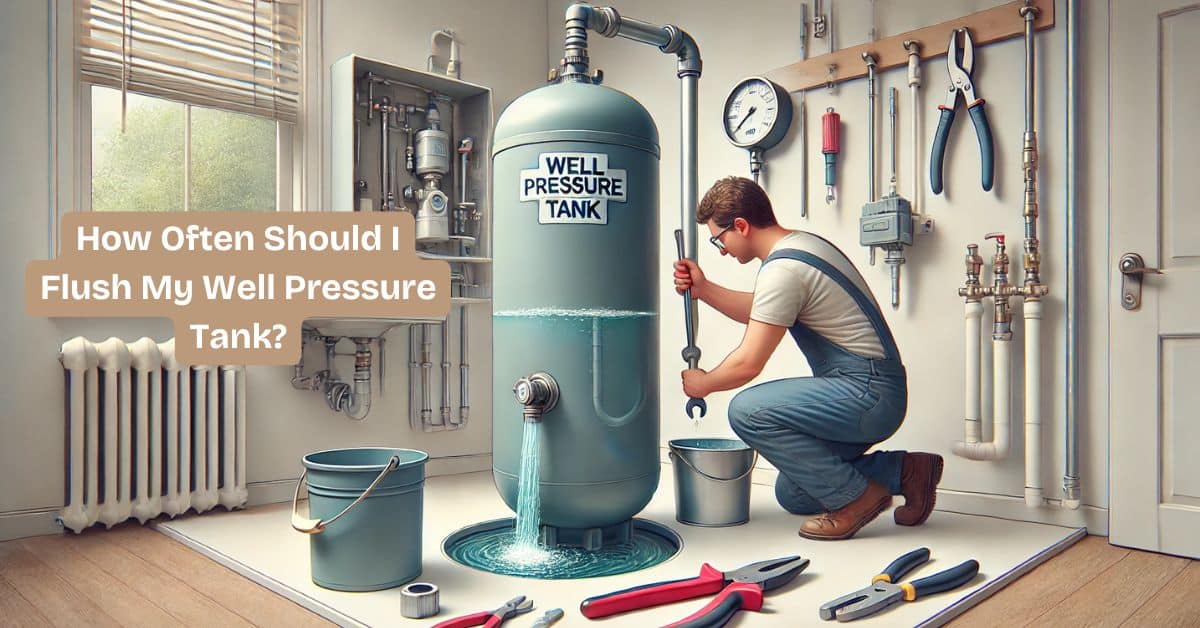
Keeping your well pressure tank in good shape is important for maintaining water quality. I recommend flushing your well pressure tank at least once a year to ensure that it operates efficiently and keeps your water fresh. Regular maintenance can help prevent costly repairs and ensure your family’s access to clean and safe water.
It’s easy to overlook the pressure tank when thinking about well maintenance, but neglecting it can lead to problems. Flushing helps remove sediment and buildup that can affect your system. This small step can greatly improve the overall performance of your well.
Learning when and how to flush your pressure tank can make a big difference. By taking the time to understand this part of your well system, you’re proactive in ensuring the longevity and efficiency of your water supply.
Key Takeaways
- Flushing should be done at least once a year for optimal performance.
- Regular maintenance helps prevent costly repairs and improves water quality.
- Understanding your well system leads to better care and longer-lasting equipment.
Understanding Your Well Pressure Tank
Knowing how your well pressure tank works is key to its maintenance. It helps me ensure my water system runs smoothly. I’ll cover the components that make up the tank and how to spot signs that it may be failing.
Components and Functionality
A well pressure tank comprises several key parts that work together. The main component is the diaphragm. It separates the water from the air inside the tank. This design helps maintain consistent water pressure throughout the system. When the pressure switch detects a drop in water pressure, it signals the pump to refill the tank.
I also pay attention to the pressure gauge. This device tells me the current pressure level in the tank. Keeping an eye on the gauge can prevent issues before they worsen. Lastly, the pressure switch controls the operational range. If the gauge readings fall outside the normal range, it can signal a need for maintenance.
Signs of a Failing Pressure Tank
I look out for certain signs that my pressure tank might be failing. One common indicator is water pressure fluctuations. If I notice sudden drops or surges in water pressure, that’s a signal to check the tank.
Another sign is unusual noises. If I hear banging or strange sounds when the pump operates, it could mean issues with the diaphragm or air chamber. Additionally, I watch for leaks around the tank or fittings. Visible water accumulation can indicate a problem that needs fixing quickly.
Keeping tabs on these signs helps me maintain my system, ensuring I have consistent water flow and pressure when I need it most.
Importance of Regular Maintenance
Staying on top of regular maintenance for your well pressure tank is crucial. It helps prevent costly water damage and ensures a reliable water supply for your home. Let’s break down why this is important.
Preventing Water Damage
Water damage can sneak up on you. Regular maintenance allows me to catch small issues before they become big problems. By inspecting the tank periodically, I look for signs of rust, leaks, or structural damage.
Key steps include:
- Check for visible cracks or corrosion.
- Inspect fittings and connections for leaks.
- Assess the condition of the pressure gauge.
Ignoring these signs could lead to significant damage, requiring costly repairs. I always remember, prevention is cheaper than fixing major issues down the line.
Ensuring Reliable Water Supply
A well-maintained pressure tank directly influences the reliability of my water supply. When I perform regular inspections, I ensure the system functions smoothly.
Maintaining the tank includes:
- Flushing the tank to remove sediment build-up.
- Keeping the air bladder in good condition to stabilise water pressure.
- Monitoring the pump function to prevent burnout.
When everything runs well, I enjoy consistent water pressure and quality. Regular maintenance keeps me one step ahead, so I never face unexpected dry spells or pressure drops. My family deserves reliable water, and I take that responsibility seriously.
When to Flush Your Pressure Tank
Flushing your pressure tank is essential to maintain its efficiency and ensure safe water supply. Knowing when to do it can save you from bigger issues down the road.
Recommending Flushing Intervals
I recommend flushing your well pressure tank at least once a year. Summer is often a great time for this task. This is when you’ll use more water for gardens, pools, and other outdoor activities.
If you’re noticing issues, like discoloured water or unintended odors, it may also be time for a flush. Regular flushing helps remove sediment and buildup, ensuring your tank functions properly.
Make a habit of checking on your tank during seasonal maintenance. Doing this can prevent problems, extend the life of your equipment, and ensure you always have fresh water on hand.
Pressure Levels Indicators
Understanding pressure levels is crucial. If your pressure tank is showing signs of irregular behaviour, such as rapid cycling of the pump, it’s a red flag. This could indicate a need for flushing.
You should regularly check the pressure gauge. If it falls below 40 PSI, it’s time to take action. Mapping the pressure levels will help me identify potential problems before they escalate.
Minimizing the risk of low water pressure is essential. Keeping an eye on these indicators helps maintain a steady supply of water. By understanding how your tank operates, I can keep things running smoothly.
How to Flush Your Well Pressure Tank
Flushing your well pressure tank is an important part of regular maintenance. It helps remove sediment buildup and prolongs the life of your tank. Here’s how to do it right.
Step-by-Step Guide
- Turn Off the Power: First, shut off the power to the system at the breaker. This ensures safety while working on the tank.
- Shut Off the Water Supply: Locate the main supply valve and turn it off. This prevents water from entering the tank while you’re flushing it.
- Connect a Garden Hose: Attach a garden hose to the tank’s drain valve. Ensure it leads to an appropriate drainage area.
- Open the Drain Valve: Carefully open the drain valve to let the water out. Let it run until the water is clear. This can take a few minutes, depending on buildup.
- Check the Diaphragm: If your tank has a diaphragm, inspect it for wear. A faulty diaphragm can affect water pressure.
- Flush with Fresh Water: Once the sediment is cleared, close the valve briefly. Then, fill the tank with clean water and flush it out again.
- Reconnect Everything: Reattach the power and water supply. Check for leaks.
Professional Versus DIY
Deciding whether to flush your tank yourself or hire a professional depends on your comfort level. If you are handy and have some plumbing knowledge, a DIY flush can save you money. You can handle basic tasks like draining and cleaning the tank.
For those less experienced, hiring a professional can be wise. They have the tools to check for more than just sediment buildup. A professional inspection can spot issues with the pump, filter, or diaphragm that you might miss.
Investing in a professional service ensures everything is done right, giving you peace of mind. Regular maintenance is key to a long-lasting well system. Be sure to assess your own skills before choosing the route that’s best for you.
Troubleshooting Common Issues
When dealing with a well pressure tank, I find that two frequent problems arise: waterlogged tanks and sediment buildup. Both can affect the performance of your water system, so it’s essential to address them promptly.
Addressing Waterlogged Tanks
A waterlogged pressure tank occurs when there’s an excessive amount of water in the tank, reducing the air cushion needed to maintain pressure. First, I check the pressure gauge. If the pressure is consistently low, that’s a red flag.
To fix it, I usually start by ensuring the air bladder is functioning. I might need to release excess water by draining the tank. If the tank is more than a few years old, it could be time for a replacement to restore proper function.
Remember, it’s crucial to have a clear separation between air and water in the tank. This balance helps maintain the right water flow and pressure for my home.
Managing Sediment Buildup
Sediment buildup can happen over time, especially if I haven’t flushed the system regularly. This buildup can lead to discolored water and drop in pressure. To manage this, I begin by inspecting the tank and the inlet pipes for any noticeable clogs.
Flushing the system is important. I typically do this by draining the tank completely and allowing fresh water to flow through. This process helps carry away the sediment.
If I notice persistent issues, it might be time to consider installing a filter to reduce future buildup. This way, I ensure better water quality and a more efficient pressure tank.
Optimising Your Well System
To maintain a reliable water supply and ensure the longevity of your well water system, I focus on two key areas: adjusting pressure settings and upgrading tank components. These steps can significantly enhance your system’s performance.
Adjusting Pressure Settings
Adjusting the pressure settings is vital for optimal performance. I recommend checking the pressure gauge regularly. The typical range for most systems is between 40 to 60 psi.
If your settings are too low, your water supply might be inconsistent. Conversely, high pressure can stress your system and lead to leaks. I often find that making small adjustments helps balance the flow throughout the house.
It’s also important to check the pressure switch. If it’s not functioning properly, it can create more problems down the line. Making sure the switch is set correctly will keep your well system honed and running smooth.
Upgrading Tank Components
Over time, well tank components can wear out. I’ve seen many systems that could benefit greatly from upgrades. One common upgrade is installing a larger pressure tank. This change increases your water supply capacity and reduces the number of times the pump kicks on and off.
Consider checking the air bladder inside your tank as well. If it’s damaged or not holding air, it can diminish performance. Replacing an old or faulty bladder can restore your tank’s efficiency.
Regular upgrades keep your well water system reliable. Understanding the components and anticipatory changes sets you up for lasting success. Taking these steps ensures that your system will meet your water needs effectively.
Safety and Compliance
It’s vital to ensure both safety and compliance when managing your well pressure tank. By understanding regulations and routinely testing water quality, you can protect your family and keep your well system running smoothly.
Understanding Local Regulations
Various regions have specific regulations regarding well water maintenance. I recommend checking with your local authorities or health department to understand these rules. They might require specific frequencies for flushing your tank and conducting inspections.
Ignoring these regulations can lead to unwanted fines or, worse, unsafe drinking water. It’s crucial to stay informed about any changes to local laws that may impact your well system.
In addition, some regions may have guidelines on how to handle and dispose of contaminants found during testing. Being compliant not only keeps your family safe but also ensures you’re being a responsible member of your community.
Conducting Water Quality Testing
Water quality testing should be part of your regular maintenance routine. It is essential to check for bacterial contamination and other harmful substances. Testing your water can reveal issues like high levels of bacteria, which may indicate that your system needs immediate attention.
Most health departments recommend testing at least once a year, or after significant weather events. You can either use test kits available at hardware stores or have a professional laboratory conduct the tests for more accurate results.
If contamination is discovered, it’s important to take corrective measures promptly. This may involve flushing your system, treating with chlorine, or seeking expert advice. Regular testing ensures you provide clean, safe water for your household, making it one of the best investments for your health.
Final Thoughts on Pressure Tank Maintenance
Water quality testing should be part of your regular maintenance routine. It is essential to check for bacterial contamination and other harmful substances. Testing your water can reveal issues like high levels of bacteria, which may indicate that your system needs immediate attention.
Most health departments recommend testing at least once a year, or after significant weather events. You can either use test kits available at hardware stores or have a professional laboratory conduct the tests for more accurate results.
Keeping your pressure tank in good shape is key for smooth water flow. Regular maintenance helps avoid trouble down the road.
I recommend checking the tank at least twice a year. Pay attention to leaks, rust, or any signs of wear. A quick visual inspection can save you from bigger problems later.
Here’s a simple checklist for tank inspection:
- Look for rust or corrosion.
- Check for leaks.
- Ensure that all connections are tight.
Water quality is also important. If your water starts tasting strange or smells bad, it might be time to flush the tank. Regular flushing can prevent sediment buildup, keeping your water fresh.
Flushing Steps:
- Turn off the pump.
- Open a spigot to relieve pressure.
- Drain the tank until clear water flows.
Don’t forget to monitor the air pressure in the tank as well. Keeping it at the right level helps maintain proper water pressure.
Frequently Asked Questions
I often get questions about maintaining pressure tanks, especially when it comes to flushing and cleaning. Let’s look at some specific issues to help you keep your system running smoothly.
What’s the step-by-step to drain a pressure tank when winter’s setting in, eh?
To drain your pressure tank, first, shut off the power to your well pump. Then, close the valve on the inlet pipe to stop new water from entering. Open a nearby faucet to relieve pressure, and finally, drain the tank by opening the drain valve at the bottom.
What’s the right way to clear out the gunk from your pressure tank, folks?
Cleaning out the gunk involves both rinsing and scrubbing. First, drain the tank completely. Use a mixture of vinegar and water to scrub the insides. Rinse thoroughly before closing it up again. Don’t forget to check the air bladder if it’s a bladder tank.
Any tips for draining a bladder tank without a hassle?
Draining a bladder tank is similar but has its quirks. Begin by shutting off the power and closing the inlet valve. Open the drain valve and let the water flow out fully, but be careful not to collapse the bladder. You might need to pressurize it lightly with air to ensure it’s fully drained.
What’s the deal with pressure tanks getting filled with sediment, and how do you tackle it?
Sediment accumulates from minerals present in your water. Regular flushing, at least once a year, helps remove this build-up. I recommend using a flushing tool to clean out the sediment effectively, especially if you notice changes in water flow or pressure.
How long should it take to drain your pressure tank, and what should you be looking out for?
Draining your pressure tank should take about 30 minutes to an hour. Keep an eye out for any unusual sounds or leaks during the process. If you notice delays in draining, that could indicate a blockage that needs addressing.
When it comes to well pressure tank maintenance, how often is upkeep needed?
I recommend checking and flushing your pressure tank at least once a year. This routine maintenance can help extend the life of your tank and ensure efficient water delivery to your home. If you use a lot of water, consider increasing the frequency.

Thomas Peterson
Owner WSA
About the Author
Latest Posts
Born and raised in Nanaimo on Vancouver Island. Thomas gained a deep appreciation for the importance of clean, reliable water. With over 15 years of experience working with water treatment systems, Thomas has become a trusted expert in helping local homeowners and businesses resolve the unique challenges of well water across the Island.
From hard water and iron buildup to low water pressure and sediment issues, Thomas takes a practical, no-nonsense approach to solving water problems. Whether it’s installing filtration systems or troubleshooting well pump issues, Thomas focuses on long-lasting solutions that help people get the clean, safe water they need.
As a proud local professional, Thomas is dedicated to serving his community with honesty, quality service, and expert advice tailored to the water conditions of Vancouver Island.
Areas of Expertise: Well Service, Well Pumps, Water Filtration Systems
- Clack Water Softener Alternatives: Top Systems for Hard Water Treatment in 2025 November 8, 2025
- Best Well Water Test Kit Options for Safe Home Water Testing in 2025 November 5, 2025
- Best Well Water TDS Meter for Accurate Home Testing in 2025 November 1, 2025
- Best Well Water Sediment Filter Systems for Clean Home Water in 2025 October 29, 2025
- Best Well Water Saltless Water Softener Systems for 2025 October 26, 2025
Facebook Twitter LinkedIn Instagram Reddit
Fact Checked & Editorial Guidelines
Our Fact Checking Process
We prioritize accuracy and integrity in our content. Here’s how we maintain high standards:
- Expert Review: All articles are reviewed by subject matter experts.
- Source Validation: Information is backed by credible, up-to-date sources.
- Transparency: We clearly cite references and disclose potential conflicts.
Your trust is important. Learn more about our fact checking process and editorial policy.
Reviewed by: Subject Matter Experts
Our Review Board
Our content is carefully reviewed by experienced professionals to ensure accuracy and relevance.
- Qualified Experts: Each article is assessed by specialists with field-specific knowledge.
- Up-to-date Insights: We incorporate the latest research, trends, and standards.
- Commitment to Quality: Reviewers ensure clarity, correctness, and completeness.
Look for the expert-reviewed label to read content you can trust.