
How Many Watts Does a Well Pump Use? Energy Needs Guide
How many watts does a well pump use? The wattage of a well pump typically falls between 750 and 1,400 watts, depending on its size and horsepower.

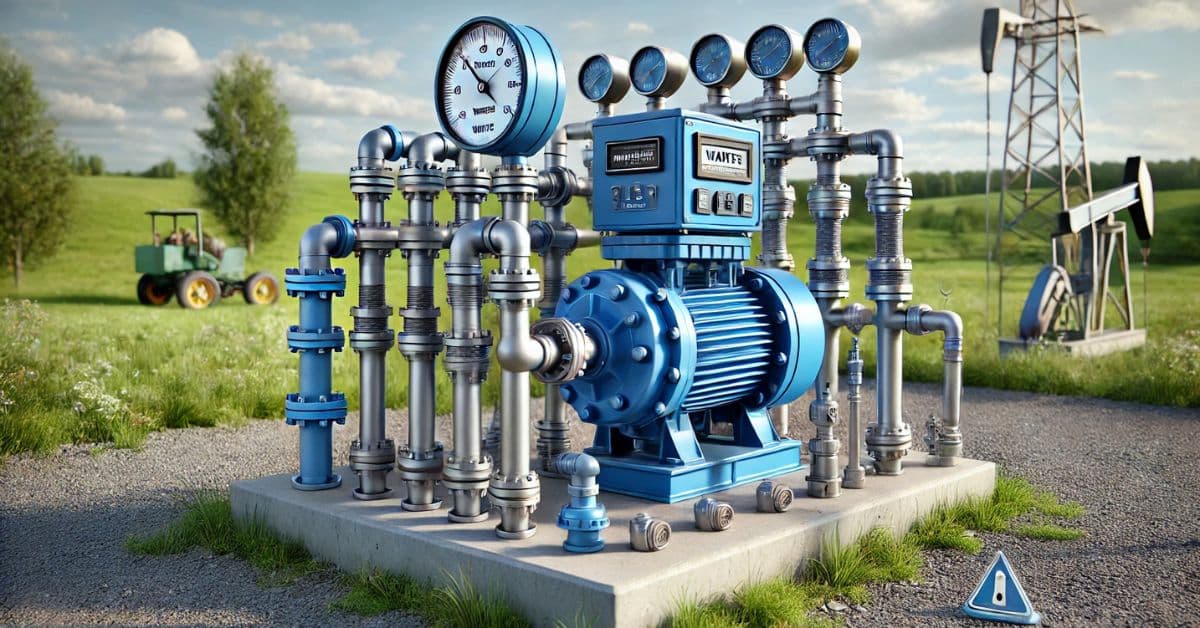
Many homeowners rely on well pumps to provide a steady supply of water. The wattage of a well pump typically falls between 750 and 1,400 watts, depending on its size and horsepower. Understanding how to calculate the power consumption of your well pump is essential, not only for your energy bills but also for choosing the right power source and maintaining efficiency.
When selecting a well pump, it’s crucial to consider how its horsepower impacts both energy use and costs. Bigger pumps often draw more electricity, especially during start-up, leading to higher wattage demands. In this article, I’ll share what you need to know about wattage, amps, and voltage to help you make informed decisions about your water system.
Keeping track of your well pump’s energy consumption can save you money in the long run. With the right information, you can troubleshoot issues, optimise energy use, and even improve your system’s lifespan. Dive in to learn more about getting the most out of your well pump.
Key Takeaways
- Well pumps generally use between 750 and 1,400 watts.
- Higher horsepower pumps may consume more energy, impacting your bills.
- Understanding your pump’s specifications helps in reducing energy costs.
Understanding Well Pumps
When it comes to well pumps, I find it’s important to know the types and how they work. There are several kinds, like submersible pumps, jet pumps, centrifugal pumps, and turbine pumps. Each type has its own strengths.
Submersible pumps are placed below the water level, making them efficient for deeper wells. In contrast, jet pumps are often used for shallower wells and pull water up through a jet mechanism.
The horsepower of a pump tells you how powerful it is. For example, a 1 HP pump can move a specific number of gallons per minute (GPM), which is crucial for understanding the flow rate.
Pump efficiency and motor efficiency are also key factors. A more efficient pump will use less energy to move the same amount of water, which saves you money.
Components like the well casing, well cap, and well screen are just as crucial. They help keep the well clean and free from contaminants. Additionally, a pitless adapter allows for a seamless water supply without needing a well house.
Knowing these parts and how they work together can help me choose the right pump for my needs, ensuring I have reliable access to water for my water fixtures.
Electrical Specifications of Well Pumps
Understanding the electrical specifications of well pumps is crucial for ensuring they operate efficiently and safely. I’ll cover important aspects like amperage, voltage, and considerations for circuit breakers and wiring.
Amperage and Voltage Requirements
When setting up a well pump, knowing the right amperage and voltage is key. Most submersible well pumps operate at either 230 volts or 240 volts. A common size for residential pumps ranges from ½ HP to 2 HP.
For instance, a 1 HP pump typically uses about 11-15 amps. This is important because your electrical system must handle this load without issues. If the amperage is too high, it may trip the circuit breaker or cause overheating.
Starting vs Running Wattage
Well pumps have different energy needs when starting and running. Starting wattage is usually higher than running wattage. For example, a 1 HP pump may need about 2,000 to 3,500 watts to start, while it runs at about 750 to 1,500 watts.
This difference is significant when sizing a generator or determining if your electrical system can handle the load. I always recommend checking the manufacturer’s specifications for exact numbers.
Circuit Breaker and Wiring Considerations
Using the right circuit breaker and wiring is vital for safety and functionality. A well pump smaller than 2 HP typically requires a 30 amp breaker. This ensures that the pump runs smoothly without the risk of overload.
Proper wiring is essential as well. I suggest using at least 12-gauge wire for most 240-volt pumps. The size of the well pump and its type—like single-phase—will affect your wiring choices. Always consult a professional if you’re unsure about your setup to avoid costly mistakes.
Calculating Well Pump Power Usage
When it comes to calculating well pump power usage, I keep things simple. Understanding wattage is crucial. Every pump has a power rating measured in watts. You’ll find two key figures: running watts and starting watts.
Running watts is the power your pump uses while it’s on. For submersible pumps, this typically ranges from 750 to 1,050 watts. On the other hand, starting watts can be about two times higher because the pump uses more power when starting up.
Here’s a handy breakdown:
- Horsepower rating: Each horsepower equals about 746 watts.
- Common sizes:
- 0.5 hp: ~ 375 running watts
- 1 hp: ~ 746 running watts
- 2 hp: ~ 1,491 running watts
I often encourage folks to check their pump’s specs. This will give accurate information tailored to their specific system.
When using a generator, I consider both running and starting watts to ensure I have enough capacity. For my calculations, I add up the total wattage for everything that might run at the same time.
To calculate your pump’s energy consumption, multiply the running watts by the number of hours the pump operates daily. If the pump runs for 8 hours a day at 800 watts, that’s:
800 watts x 8 hours = 6,400 watt-hours or 6.4 kilowatts.
By keeping track of these numbers, I can better manage my energy needs and costs.
Impact of Pump Size and Horsepower
When it comes to well pumps, size and horsepower play a big role in how much energy they use. A larger pump, often rated higher in horsepower, demands more watts to run.
For example, a 1 hp submersible well pump typically uses around 750 to 1,050 watts when operating. Meanwhile, a smaller pump may only need about 700–800 watts. As pump size increases, so do the demands on your energy bill.
Pump Efficiency is another crucial factor. A well-designed pump can perform better while using less energy. For instance, high-efficiency motors can save you money over time by reducing electricity usage.
Here’s a simple breakdown:
- Smaller pumps (less than 1 hp): 700–800 watts
- 1 hp submersible well pump: 750–1,050 watts
- Larger pumps (2 hp and above): Up to 2,000 watts during operation
Remember that starting watts can be significantly higher, sometimes reaching 3,000 watts for certain models.
In my experience, always consider both the horsepower rating and the efficiency of the pump when making a choice. That can directly affect your energy bills and overall satisfaction with the system. A well-sized pump can mean long-lasting performance and savings in the long run.
Options to Reduce Well Pump Energy Use
Finding ways to lower the energy use of your well pump can have a big impact on your energy bills. By increasing pump efficiency and exploring alternative power sources, you can save money and make your system run better. Here’s how to tackle these important aspects.
Maximizing Pump Efficiency
To get the most out of your well pump, it’s essential to ensure its efficiency. Start by checking the motor efficiency. An efficient motor will use less power and lower your costs. Regular maintenance is crucial. I always make sure to clean and replace filters as needed, which can keep the system running smoothly.
Consider installing a variable speed drive. This device adjusts the pump speed based on demand, reducing energy use when full power isn’t needed.
Remember that the size and depth of your pump also matter. A correctly sized pump will work less, saving energy over time. I’ve seen many homeowners pay too much for oversized pumps.
Alternative Power Sources
Switching to alternative power sources can significantly cut energy costs. A solar generator is a great option, especially in sunny areas. It can reduce or eliminate your reliance on the grid.
When considering a portable generator, be mindful of the wattage your pump requires. Make sure to choose a generator that can handle the starting and running wattage of your pump. It’s no fun to be left without water because of an underpowered generator.
Installing a backup power source can also provide peace of mind during outages. This can be a game-changer for those relying on well water in remote locations.
Detecting and Fixing Water Leaks
Water leaks can lead to wasted energy and higher bills. To tackle this issue, I recommend regularly checking your plumbing. Look for damp spots, which may indicate leaks, and promptly repair them to minimize water waste.
You should also monitor your water usage. If you notice sudden increases, it’s worth investigating further. Simple fixes like replacing worn-out washers or seals can save both water and energy.
Using a leak detection tool can also help. These systems alert you to changes in water flow and can identify leaks before they become major problems. Keeping everything tight and leak-free is a straightforward way to improve energy efficiency.
Installation and Maintenance Best Practices
When I install a well pump, I always start with proper site preparation. Make sure the well casing is secure and clean to prevent contamination. A well-placed pump can make all the difference in efficiency.
For submersible pumps, I ensure they are at the right depth. This affects both performance and longevity. Above ground pumps need secure mounting to avoid vibration issues.
Motor efficiency is key. Choosing a pump with a high-efficiency motor can save energy costs and reduce strain on the system. I always check the horsepower needed for the job; too much or too little can cause problems.
Regular maintenance is crucial. I recommend checking the pump system every six months. Here are some quick tasks I do:
- Inspect the wiring for any signs of wear.
- Clean the inlet screen to prevent clogging.
- Test the pressure switch for proper operation.
In colder climates, it’s important to winterize the system. I often add insulation to pipes to avoid freezing.
If you use a cylinder pump, it’s wise to monitor the piston and seals regularly. This can help avoid major repairs down the line.
I find that keeping a maintenance log helps track important dates and any issues that arise. Being proactive makes all the difference in keeping a well pump running smoothly.
Troubleshooting Common Well Pump Issues
I’ve seen a fair share of well pump issues, and it’s important to tackle them head-on. Here are some common problems you might encounter.
1. No Water Flow
If your well pump isn’t delivering water, check these points:
- Power Supply: Make sure the generator is working properly. Sometimes, a simple reset helps.
- Pressure Tank: If it’s empty, the pump can’t build pressure.
2. Low Water Pressure
Low pressure can be frustrating. Here’s what to check:
- Leaks: Inspect your pump system for water leaks. A small leak can cause big problems.
- Submersible vs. Jet Pump: If you’re using a jet pump, it may struggle with deeper wells.
3. Pump Running Continuously
An endlessly running pump? That’s not good. This can indicate:
- Pressure Switch Issues: The pressure switch might be stuck, so it won’t turn off.
- Blocked Intake: Check for debris clogging the intake.
4. Excessive Noise
Noisy pumps can signal trouble. Good efficiency means quiet operation. If it sounds like a jet engine, consider:
- Cavitation: This happens when there’s not enough water.
- Worn Bearings: Listen for unusual sounds that mean it’s time for maintenance.
Cost Estimates and Managing Energy Bills
Understanding the costs associated with running a well pump is key for keeping my energy bills in check. A well pump typically runs on an average of 700 to 1400 watts, depending on the horsepower rating. That translates to significant energy consumption over time.
To calculate how much electricity a pump uses, I look at the running watts and the number of hours it operates. Here’s a quick breakdown:
- Watts Used: 700-1400 watts (0.7-1.4 kilowatts)
- Operating Hours: 2 hours a day
- Estimated Monthly Cost:
| Kilowatts Used | Cost per Kilowatt Hour | Estimated Monthly Cost |
| 42 kWh | $0.15 | $6.30 |
This estimate shows how keeping an eye on these numbers can lead to cost efficiency. If I use more energy-efficient pumps, I can reduce both amps and watts, lowering my overall electricity usage.
I pay attention to the pump’s energy consumption pattern. If I notice it running more often than usual, I investigate potential issues. Regular maintenance can help keep my pump running efficiently and control costs in the long run.
Frequently Asked Questions
I often get questions about well pumps and how they operate. Let’s break down some common queries about their power usage, electric bills, generator requirements, and more.
How much power does your typical well pump need to operate?
Most well pumps require between 400 watts to 2,500 watts, depending on their size and horsepower. A common submersible well pump will typically use around 750 to 1,050 watts.
What’s the wattage usage for a 1 HP water pump?
A 1 HP water pump usually runs on roughly 750 watts. This figure can vary a bit based on the pump’s efficiency, but that’s a good general rule.
For those curious about electric bills, how much electricity does your well pump chew through in a month?
If your well pump runs for about two hours each day at 750 watts, it could use around 45 kWh per month. This can lead to additional costs, so keep track of your usage.
What size generator would a smart homeowner need to run their well pump effectively?
For a 1 HP submersible well pump, a generator with a capacity of at least 2.5 kW is recommended. It’s always best to consult the pump’s documentation for specific power needs.
Can a 3500W generator handle the demands of a well pump, or is that hoping for too much?
A 3500W generator can generally handle the demands of most well pumps, including some 2 HP models. Just ensure that the generator is rated for the starting watts needed for any electric motor.
Just how many amps are we talking about for a 240V well pump?
For a 240V well pump, you might see around 10 to 13 amps for smaller models. This can vary depending on the pump’s horsepower and efficiency, so check the specifications for accuracy.

Thomas Peterson
Owner WSA
About the Author
Latest Posts
Born and raised in Nanaimo on Vancouver Island. Thomas gained a deep appreciation for the importance of clean, reliable water. With over 15 years of experience working with water treatment systems, Thomas has become a trusted expert in helping local homeowners and businesses resolve the unique challenges of well water across the Island.
From hard water and iron buildup to low water pressure and sediment issues, Thomas takes a practical, no-nonsense approach to solving water problems. Whether it’s installing filtration systems or troubleshooting well pump issues, Thomas focuses on long-lasting solutions that help people get the clean, safe water they need.
As a proud local professional, Thomas is dedicated to serving his community with honesty, quality service, and expert advice tailored to the water conditions of Vancouver Island.
Areas of Expertise: Well Service, Well Pumps, Water Filtration Systems
- Clack Water Softener Alternatives: Top Systems for Hard Water Treatment in 2025 November 8, 2025
- Best Well Water Test Kit Options for Safe Home Water Testing in 2025 November 5, 2025
- Best Well Water TDS Meter for Accurate Home Testing in 2025 November 1, 2025
- Best Well Water Sediment Filter Systems for Clean Home Water in 2025 October 29, 2025
- Best Well Water Saltless Water Softener Systems for 2025 October 26, 2025
Facebook Twitter LinkedIn Instagram Reddit
Fact Checked & Editorial Guidelines
Our Fact Checking Process
We prioritize accuracy and integrity in our content. Here’s how we maintain high standards:
- Expert Review: All articles are reviewed by subject matter experts.
- Source Validation: Information is backed by credible, up-to-date sources.
- Transparency: We clearly cite references and disclose potential conflicts.
Your trust is important. Learn more about our fact checking process and editorial policy.
Reviewed by: Subject Matter Experts
Our Review Board
Our content is carefully reviewed by experienced professionals to ensure accuracy and relevance.
- Qualified Experts: Each article is assessed by specialists with field-specific knowledge.
- Up-to-date Insights: We incorporate the latest research, trends, and standards.
- Commitment to Quality: Reviewers ensure clarity, correctness, and completeness.
Look for the expert-reviewed label to read content you can trust.