
How Many Torque Arrestors on a Well Pump? (Best Guide)
How many torque arrestors on a well pump? Most installations require at least one torque arrestor placed 18 to 24 inches above the submersible pump,

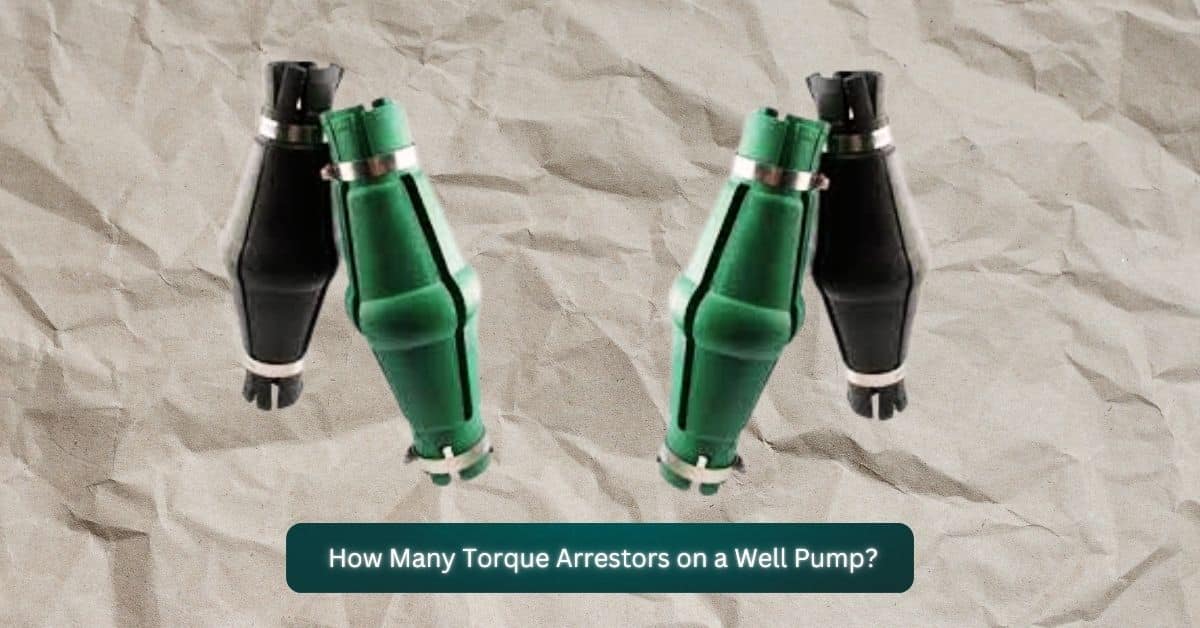
When it comes to well pumps, understanding how many torque arrestors you need is crucial. Most installations require at least one torque arrestor placed 18 to 24 inches above the submersible pump, with additional arrestors spaced every 75 to 100 feet. This is vital for preventing wear and tear caused by the starting torque of the pump, which can lead to serious issues down the line.
Installing the right number of torque arrestors not only helps protect your system but also maximizes efficiency and longevity. Proper placement in relation to the well casing ensures that your pump operates smoothly without unnecessary damage.
For anyone involved in maintaining a well system, knowing the specifics can save you time and money. It’s about more than just installation; it’s about ensuring your water source remains reliable and effective.
Key Takeaways
- Place the first torque arrestor 18 to 24 inches above the pump.
- Install additional arrestors every 75 to 100 feet as needed.
- Proper installation enhances the longevity of your well pump.
Understanding Your Well System
When it comes to your well system, knowing its components and how the submersible pump works is crucial. This knowledge helps me ensure everything runs smoothly and efficiently, ultimately providing clean water at home.
Components of a Water Well
A water well consists of several important components. The main parts include the well casing, pump, discharge pipe, and gravel pack.
- The well casing is a cylindrical tube that lines the well. It protects the water supply from contamination and maintains the well’s structure.
- The submersible pump sits deep in the well, pushing water up to the surface via the discharge pipe.
- The gravel pack surrounds the casing, helping to filter out particles.
These components work together to deliver water efficiently. Regular maintenance is essential to keep them functioning properly. I’ve seen cases where minor issues with these parts can lead to significant problems down the line, so staying informed is key.
Role of a Submersible Pump in a Well
The submersible pump is a vital part of the well system. Its primary job is to lift water from deep underground to the surface.
How does it do this? The pump is designed to operate underwater. It uses a motor to create pressure, which pushes the water up through the discharge pipe. This design makes it more efficient than above-ground pumps.
When I install a submersible pump, I ensure it’s placed properly within the well casing. An effective setup reduces wear and tear and prolongs the pump’s life. It’s essential to monitor the pump‘s operation regularly. If something doesn’t feel right, it’s best to address it quickly. A small problem now can lead to costly repairs later.
The Basics of Torque Arrestors
When working with well pumps, understanding torque arrestors is vital. These components play a crucial role in ensuring the pump operates smoothly and efficiently by mitigating torque problems.
What Is a Torque Arrestor?
A torque arrestor is a device used in submersible well pumps to prevent the drop pipe from unscrewing during pump operation. It acts as a stabilizing component, usually made of a rubber material that creates a friction fit against the wall of the well casing.
This friction helps keep the pump secure, especially when it starts up, which can cause significant twist and rotation. Without a torque arrestor, the constant turning of the pump can loosen the drop pipe connections, leading to costly repairs and maintenance.
Function and Importance
The primary function of a torque arrestor is to reduce wear and tear on the pump system. When the pump starts, it produces a torque force that can be harmful. The arrestor absorbs some of this force, helping to maintain the integrity of the install.
Installing these arrests at the right intervals is key. I’ve found it’s best to place the first one 18 to 24 inches above the pump, then at intervals of 75 to 100 feet. This setup ensures effective stabilization while avoiding complications during installation or future maintenance.
Investing in proper torque arrestors not only extends the life of the pump but also saves time and money in repairs down the road.
Installation Essentials
Getting the right torque arrestor for your well pump is crucial. It plays an essential role in keeping everything secure during installation. I’ll walk you through selecting the right one and provide a step-by-step guide for a successful installation, along with some common challenges you might face.
Selecting the Right Torque Arrestor
When selecting a torque arrestor, I consider the type of pipe I’m using. A torque arrestor designed for PVC pipe is often recommended. These provide stability and prevent the pump from unscrewing as it operates.
I also pay attention to the size. The arrestor must fit snugly around the drop pipe without being too loose. If it’s oversized, it won’t hold properly. Some models, like the TA48-20, are perfect for 2-inch riser pipes. Always check the specifications from Boshart for compatibility.
Step-By-Step Installation Guide
- Gather Your Tools: I usually have a pipe clamp, safety rope, and pump cable ready for this job.
- Secure the Pipe: First, I clamp the torque arrestor to the pipe just above the pump. This helps solidify its position.
- Expand the Arrestor: Next, I slide down the top part of the arrestor, expanding it until it fits the well casing tightly.
- Check Your Work: After installing, I double-check that everything is secure. A loose installation can lead to problems later.
- Attach a Safety Rope: It’s essential for safety. I attach a rope to support the pump during the installation.
Taking these steps ensures everything is set up right the first time.
Common Installation Challenges
I often encounter a few challenges when installing torque arrestors. One common issue is ensuring the arrestor fits correctly. If it’s too loose, it could lead to pump failure.
Another problem is aligning the components properly. Misalignment can cause vibrations and stress on the pump and pipes.
Lastly, I always worry about the safety aspect. An unsecured pump cable or a loose setup can be dangerous.
Taking my time and checking each step has always been my best practice. Don’t rush; proper installation makes a world of difference in system performance.
Proper Placement of Torque Arrestors
Placing torque arrestors correctly on a well pump is essential for ensuring effective operation. It prevents issues like pipe unscrewing and keeps everything secure. Let’s break down how to determine the right placement and adjust for pump horsepower to get the most out of your installation.
Determining Optimal Placement
I recommend starting by placing the first torque arrestor 18 to 24 inches above the submersible pump. This distance allows the arrestor to minimize any torque-related movement at the beginning of the riser pipe.
After the first one, position additional torque arrestors at intervals of 75 to 100 feet along the riser pipe. This regular spacing helps control the pipe’s movement throughout its length. If the drop pipe is longer or the pump is under heavy load, consider reducing the spacing to 50 feet for added support.
Remember, the goal is to keep the riser pipe from unscrewing when the pump starts. Using these guidelines, I can ensure a reliable setup.
Adjusting for Pump Horsepower
The horsepower of the pump plays a significant role in how I place the torque arrestors. A more powerful pump generates more torque, which increases the risk of loosening the riser pipe.
For pumps with higher horsepower, I might need to decrease the distance between torque arrestors. Keeping them closer together ensures stability. For instance, I could space them at about 50 to 75 feet apart.
Also, take into account any extra factors like the depth of the well and type of pipe used. These details can influence the torque’s effect and should guide my installation choices.
By carefully considering these factors, I can set up a well pump system that runs smoothly.
Maximizing the Efficiency and Longevity
When it comes to keeping your well pump running strong, two key areas stand out: preventing wear and tear and ensuring proper motor cooling. Focusing on these aspects not only extends the life of your pump but also enhances its performance.
Preventing Wear and Tear
To stretch the lifespan of your well pump, I always recommend installing torque arrestors. These devices lock the drop pipe in place and prevent it from unscrewing due to the rotational force of the pump. When the drop pipe is secure, there’s less wear on both the pipe and the pump itself.
Regular Maintenance Checks:
- Inspect torque arrestors regularly.
- Look for signs of wear on the drop pipe and pump casing.
Neglecting these checks can lead to costly repairs. I’ve seen pumps fail due to not paying attention to the small details. Keeping an eye on these components helps prevent bigger issues down the line.
Ensuring Motor Cooling
Another crucial element is motor cooling. Without sufficient cooling, the motor can overheat, leading to significant damage. To help maintain a healthy temperature, I check that the cooling system is functioning properly and that water is flowing freely.
Tips for Effective Cooling:
- Ensure the water supply is adequate.
- Avoid running the pump dry.
Using a flow meter can help monitor water flow to the pump. By ensuring the motor stays cool, I can avoid motor cooling problems that often lead to premature pump failure. Keeping everything in check gives me peace of mind that my well pump will perform well for years to come.
Troubleshooting Common Issues
When working with well pumps, issues can arise that need prompt attention. It’s crucial to identify symptoms early and address problems like pipe breakage or slippage. Here’s what to look for.
Identifying Symptoms of Problems
I always pay close attention to any signs that indicate an issue with the well pump. Common symptoms include:
- No Water Flow: If there’s no water coming out, it’s likely a pump failure or power issue.
- Low Pressure: Noticeable drops in water pressure can signal clogs or pump trouble.
- Strange Noises: Grinding or rattling sounds may point to mechanical problems.
To diagnose further, I check the power supply and listen for the pump’s operation. Additionally, observing the system’s performance over time helps isolate recurring issues. For more complex problems, consulting a resource like Boshart’s knowledge base can provide valuable insights and specific solutions.
Addressing Pipe Breakage and Slippage
Pipe breakage or slippage can cause significant headaches. If you suspect this issue, here are steps to take:
- Visual Inspection: Look for any visible damage on the pipes. Cracks or breaks can lead to water loss.
- Check Connections: Ensure all fittings and joints are secure. Loose connections might need tightening or replacement.
- Use Torque Arrestors: These can prevent the drop pipe from unscrewing. I usually install one at the pump and at intervals along the well piping.
If I find broken pipes, replacing them promptly is essential. Ignoring this can worsen the issue and result in costly repairs. For guidance, I often reference Boshart’s knowledge base to find effective repair strategies and best practices.
Maintaining Your Well Pump and Torque Arrestor
Keeping your well pump and torque arrestor in good shape is essential for smooth operation. Regular check-ups and knowing when to replace components can save you time and money down the line.
Routine Inspection and Maintenance
I recommend checking your well pump and torque arrestor at least once a year. During these inspections, look out for signs of wear or damage.
Things to check include:
- Piping Connections: Ensure all connections are secure. Loose fittings can lead to leaks and pressure loss.
- Pressure Tank: Monitor the pressure tank for any signs of corrosion or failure. It plays a key role in maintaining water pressure.
- Rubber Torque Arrestor: Inspect for any cracks or deterioration. If it’s worn, it may not effectively prevent the drop pipe from loosening.
Also, clear away any debris around the wellhead. This prevents blockages that can hinder performance. It’s about keeping everything neat and functioning well.
Replacement and Upgrade Considerations
If I notice any issues during inspection, it’s vital to act quickly. Replacing the rubber torque arrestor may be necessary every few years, depending on usage and conditions. If you’re upgrading your well system, consider higher-quality materials for longer-lasting performance.
When replacing the torque arrestor, ensure the size matches your piping. Follow the manufacturer’s instructions for proper installation. If it’s not done right, you can face bigger headaches later on.
Lastly, if my well pump is over a decade old, I’d consider evaluating the entire system. Upgrading parts can provide better efficiency and reliability. Remember, preventative maintenance is cheaper than repair.
Frequently Asked Questions
When it comes to torque arrestors on well pumps, many people often have specific queries. I’ll break down some common questions about installation, spacing, and functionality to give you a clearer understanding.
What’s the proper way to install a torque arrestor on a submersible well pump, eh?
To install a torque arrestor, start by clamping it just above the pump. Make sure it fits snugly against the drop pipe. For the best results, ensure the torque arrestor is positioned securely to prevent any rotation.
Can you tell me how many torque arrestors I need for my well set-up?
Typically, you’ll need one torque arrestor right above the pump. Depending on the depth of your well, you might require additional arrestors. It’s a good idea to add more as you go up, especially with longer drop pipes.
Wondering what the ideal spacing is between multiple torque arrestors on a well pump?
The spacing should be about 75 to 100 feet between each torque arrestor. This helps maintain proper support for the drop pipe and reduces the chance of movement during pump operation.
How does a rubber torque arrestor function in maintaining well pump stability?
A rubber torque arrestor acts as a stabilizer. It tightly grips the drop pipe and prevents it from twisting during pump starts. This helps ensure the pump stays in place, reducing wear and tear on the system.
What’s the deal with pitless adapters in relation to submersible well pumps?
Pitless adapters allow the well pump to be accessed easily above ground. They connect the pump to the discharge piping while keeping everything sealed and insulated. This setup helps keep your water system efficient and reliable.
Looking for advice on how to position a submersible pump and torque arrestor in relation to the well bottom?
Position the pump about 2 to 3 feet above the well bottom. This keeps it clear of any sediment or debris. Ensure the torque arrestor is placed just above the pump to maximize support and stability.

Thomas Peterson
Owner WSA
About the Author
Latest Posts
Born and raised in Nanaimo on Vancouver Island. Thomas gained a deep appreciation for the importance of clean, reliable water. With over 15 years of experience working with water treatment systems, Thomas has become a trusted expert in helping local homeowners and businesses resolve the unique challenges of well water across the Island.
From hard water and iron buildup to low water pressure and sediment issues, Thomas takes a practical, no-nonsense approach to solving water problems. Whether it’s installing filtration systems or troubleshooting well pump issues, Thomas focuses on long-lasting solutions that help people get the clean, safe water they need.
As a proud local professional, Thomas is dedicated to serving his community with honesty, quality service, and expert advice tailored to the water conditions of Vancouver Island.
Areas of Expertise: Well Service, Well Pumps, Water Filtration Systems
- Clack Water Softener Alternatives: Top Systems for Hard Water Treatment in 2025 November 8, 2025
- Best Well Water Test Kit Options for Safe Home Water Testing in 2025 November 5, 2025
- Best Well Water TDS Meter for Accurate Home Testing in 2025 November 1, 2025
- Best Well Water Sediment Filter Systems for Clean Home Water in 2025 October 29, 2025
- Best Well Water Saltless Water Softener Systems for 2025 October 26, 2025
Facebook Twitter LinkedIn Instagram Reddit
Fact Checked & Editorial Guidelines
Our Fact Checking Process
We prioritize accuracy and integrity in our content. Here’s how we maintain high standards:
- Expert Review: All articles are reviewed by subject matter experts.
- Source Validation: Information is backed by credible, up-to-date sources.
- Transparency: We clearly cite references and disclose potential conflicts.
Your trust is important. Learn more about our fact checking process and editorial policy.
Reviewed by: Subject Matter Experts
Our Review Board
Our content is carefully reviewed by experienced professionals to ensure accuracy and relevance.
- Qualified Experts: Each article is assessed by specialists with field-specific knowledge.
- Up-to-date Insights: We incorporate the latest research, trends, and standards.
- Commitment to Quality: Reviewers ensure clarity, correctness, and completeness.
Look for the expert-reviewed label to read content you can trust.