
How High Can a Well Pump with 0.75kW Push Water?
How high can a well pump with 0.75kW push water? When I think about well pumps, I know they play crucial role in delivering water to homes.

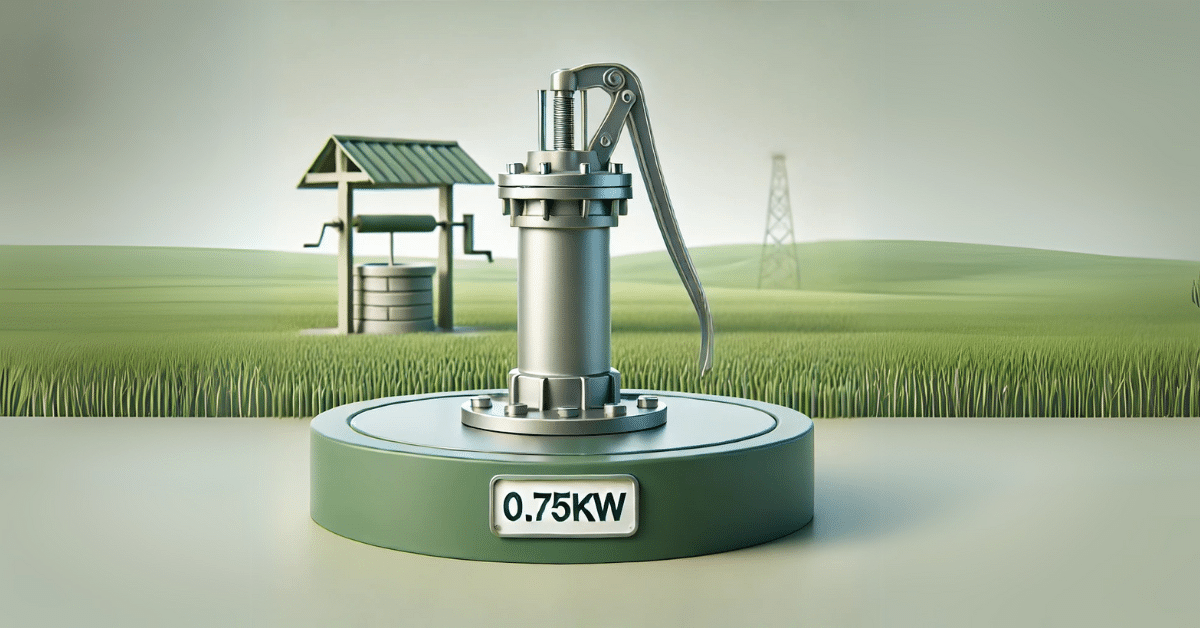
When I think about well pumps, I know they play a crucial role in delivering water to our homes, especially in rural areas. If you’re wondering how high a well pump with 0.75 kW can push water**, you’re looking at a vertical lift of approximately 60 to 80 feet under optimal conditions.** This variation in height depends on several factors including the pump’s design, the depth of the well, and the pressure needed for your water supply.
It’s essential to understand the science behind pumping water, as this knowledge can help you choose the right pump for your needs. A well pump needs to effectively balance water pressure and elevation to ensure a steady supply. From installation to maintenance, I’ve seen firsthand how the right approach can make all the difference in achieving system efficiency.
Key Takeaways
- A 0.75 kW well pump can lift water approximately 60 to 80 feet.
- Understanding your specific well requirements is crucial for optimal performance.
- Regular maintenance helps in maximizing your pump’s efficiency and lifespan.
Understanding Well Pumps
Well pumps come in different types and have various designs tailored to specific needs. Knowing the types and their components will help you select the right pump for your water needs.
Types of Well Pumps
There are mainly two types I usually encounter: submersible pumps and jet pumps. Submersible pumps are placed underwater and push water to the surface. They are known for their efficiency, especially in deeper wells.
Jet pumps, on the other hand, draw water using suction. These pumps work well for shallow wells, typically less than 25 feet deep. Their design is often simpler, making them easier to install and maintain. For wells beyond this depth, I often recommend a two-line jet pump, which is more effective at lifting water from deeper levels. Each type has its strengths depending on well depth and water needs.
Key Components and Design
Understanding the key components of well pumps is crucial for maintenance. Both submersible and jet pumps consist of a motor, impeller, and housing. The motor powers the pump, while the impeller moves water through the system.
Materials are also important. I prefer pumps made from stainless steel or high-quality plastics for better durability. Good pump design enhances efficiency, which saves energy and reduces wear over time. High-efficiency models, for instance, provide better performance without needing excessive horsepower. This can mean lower operating costs in the long run.
The Science of Pumping Water
Understanding how a well pump operates is key to determining its capabilities. The principles of hydraulics and centrifugal force play major roles in how efficiently a pump can lift water.
Hydraulics of Water Lifting
When lifting water, pressure and lift height are crucial. The pressure at the pump’s inlet must be sufficient to overcome atmospheric pressure and the weight of the water column. The maximum theoretical lift height for water is about 10.3 metres under perfect conditions, referred to as the “suction lift.”
In practical situations, factors such as pumping depth and friction losses from pipes significantly reduce this number. For example, if a pump must pull from deeper sources, the actual lift height decreases. Additionally, the rated head provides a measure of how high a pump can push water. The efficiency of the pump decreases with increased lift height, affecting the flow rate.
Centrifugal Force in Pumps
Centrifugal pumps are among the most common for lifting water. They use a rotating impeller to add centrifugal force to the water. The impeller draws water into the pump and forces it outwards, creating a pressure difference that lifts the water.
The total lift refers to the distance the water travels from the source to the discharge point. As the impeller speed increases, so does the potential flow rate. However, if water flow rates exceed the pump’s design, it can lead to inefficiencies and potential damage.
Assessing Pump and Well Requirements
When it comes to installing a well pump, knowing your specific needs is key. Understanding your water requirements and well characteristics will help me pick the right pump and ensure that it works effectively.
Calculating Your Water Needs
First, I determine how much water I need, especially if it’s for tasks like irrigation. My water demand might depend on the number of people in my home or the size of my garden.
To put it simply, I look at the following:
- Daily Water Usage: Estimate how many gallons I use each day. For example, a household typically needs about 100-150 gallons per person per day.
- Peak Demand: Identify the maximum amount of water I need during busy times.
For instance, if I need to water my lawn and fill my pool, that could push my needs up to 20 gallons per minute (GPM) during peak hours. Using a pump sizing calculator can help me find the right pump capacity based on these requirements.
Determining Well Depth and Capacity
Next, I need to assess my well’s depth and capacity. Knowing how deep my well goes impacts which pump I should use. A typical submersible pump with 0.75 kW can work well in wells that are 200-300 feet deep.
I also look at well capacity, which is how much water it can produce. This is often measured in gallons per minute (GPM).
To simplify:
- Well Depth: Measure the vertical distance from the water level to the surface.
- Well Capacity: Understand the total volume of water available, factoring in seasonal changes.
By considering both depth and capacity, I can select the right pump that meets my water flow requirements efficiently. If I find my demands increase in the future, knowing these figures allows me to plan for an upgrade if needed.
0.75kw Submersible Pumps and Their Capabilities
When it comes to submersible pumps, specifically the 0.75 kW models, there are key factors to consider, such as their performance and the horsepower they deliver. Understanding these aspects can help you make informed decisions about using them for clean water applications.
Performance of 0.75kw Pumps
A 0.75 kW submersible pump is typically capable of pushing water up to considerable heights. Depending on the model and setup, these pumps can reach depths of around 15 to 20 metres. The maximum head height, or lifting capacity, varies between different manufacturers.
For instance, some deep well submersible pumps can achieve a maximum flow rate of 300 litres per minute. This makes them suitable for both residential and light commercial applications.
The recovery rate is also important. A pump with good pressure will refill the well quickly, ensuring a consistent supply of clean water. This is vital if you’re depending on it for daily tasks like drinking, washing, or irrigation.
Submersible Pump Horsepower Explained
The horsepower of a pump is a crucial aspect when assessing its capabilities. A 0.75 kW pump translates to about 1 HP. This horsepower is suitable for various uses, especially in residential settings.
Horsepower determines how much work the pump can do. It affects the flow rate and pressure. For pumping clean water, I find that a pump with 1 HP can handle most household needs efficiently.
While it’s tempting to choose a pump based purely on horsepower, other features matter too. Things like the quality of the motor, design, and materials all influence performance and durability. Always check the specifications to ensure you’re getting a pump that meets your water needs effectively.
Installation and Setup
Setting up a well pump involves making sure everything works safely and efficiently. Ensuring proper installation will help the pump function at its best and extend its lifespan.
Setting Up the Pump System
When installing a well pump, the first step is to choose the right type. For a pump with 0.75 kW, a submersible pump often works best. These pumps sit in the water and push it up to the surface.
Before setting up, I measure the depth of the well and check the groundwater level. Proper measurements ensure the pump can operate effectively.
Next, I connect the well piping to the pump. It’s crucial to ensure all connections are airtight to prevent leaks. I also make sure that the pump is properly supported and aligned with the existing plumbing system. Using pipe straps can secure the system in place and minimize movement during operation.
Electrical Connections and Voltage Requirements
Proper electrical connections are vital for a well pump. A pump with 0.75 kW typically operates on a 220V supply. Before I start the installation, I check the local electrical code (EAC) to ensure compliance with safety standards.
I connect the pump to a dedicated circuit. This step is critical to avoid overloading the system. Using the right gauge wire is essential, as it affects performance. I also ensure the circuit breaker is suitable for the pump’s power requirements.
Before powering on the pump, I carefully check all connections. It’s a good practice to use a multimeter to ensure the voltage is correct. After everything is verified, I can safely activate the pump, ensuring water flows efficiently from the well.
Maintenance and Troubleshooting
Maintaining your well pump is vital for its performance and longevity. I’ve found that regular upkeep can prevent many common issues, saving time and money in the long run. Here’s what I believe are the key steps in proper maintenance and troubleshooting.
Routine Maintenance for Longevity
Proper maintenance keeps your pump working smoothly. Check the water quality regularly. Contaminated water can cause damage over time.
I recommend replacing filters periodically to maintain water clarity. Also, inspect the pump for dirt or grime. Keeping it clean allows for efficient operation.
Pay attention to friction losses in the pipes. It’s important to ensure the piping is the right size for your motor, as oversized pipes can lead to inefficiencies.
Regularly checking electrical connections is equally important. Ensure there are no frayed wires or loose connections. A good rule of thumb is to perform these checks at least once a year.
Identifying and Solving Common Issues
If your pump isn’t working well, first check for obvious signs. Listen for strange noises – a banging sound may indicate a water hammer problem, which can harm the system.
If there’s a drop in water pressure, it may be due to clogged filters or a leak in the piping. I always recommend looking for leaks first, as they can cause significant pressure loss.
Additionally, if the pump shuts off unexpectedly, check the electrical supply and pressure switch. A malfunctioning motor can also be behind the problem.
Remember, troubleshooting requires patience. Whether it’s adjusting water pressure or checking for blockages, a careful approach makes all the difference. If you’re stumped, don’t hesitate to call for professional help.
Optimizing System Efficiency
In optimizing the efficiency of your well pump system, it’s crucial to focus on both energy consumption and how to maximize the output of your pump. Successful optimisation can lead to lower energy bills and improved performance of your water supply system.
Energy Consumption
When considering energy consumption, I look at the power your well pump uses, which can significantly impact your monthly expenses. A well pump with a power rating of 0.75 kW can consume about 0.75 kilowatt-hours of energy for every hour it runs.
To reduce this consumption, I recommend selecting high-efficiency water pumps, such as those made by brands like DAB. These pumps are designed to use less power while delivering the same amount of water. Additionally, using a variable frequency drive (VFD) can help adjust the pump’s speed, matching the water demand more closely and reducing energy waste.
Maximizing Pump Output and Efficiency
Maximizing pump output involves ensuring that the system components work harmoniously. Choosing the right pump size is essential; a pump that is too small will struggle, while one that is too large could waste energy. It’s vital to match your pump to your specific needs.
Regular maintenance is key here. I make sure to check for clogs, leaks, and wear in the system that can affect performance. Enhancing system efficiency also means monitoring the system’s pressure and flow rate to keep everything running smoothly. By doing this, you not only ensure consistent water delivery but also prolong the life of your pump, ensuring it operates at peak efficiency for years.
Frequently Asked Questions
In this section, I’ll tackle common questions about well pumps with 0.75 kW motors. Understanding their capabilities can help clarify how high these pumps can push water and what to expect in terms of performance.
What’s the max elevation a three-quarter horsepower pump can throw water up to, eh?
A three-quarter horsepower pump can typically lift water up to about 60 to 80 feet. This can vary based on the specific model and how it’s set up in your well. Always check manufacturer specifications for the most accurate information.
At what height does a standard domestic well pump max out on lifting H2O?
Standard domestic well pumps usually max out around 25 to 50 feet for residential applications. If you’re dealing with deeper wells, you might need a more powerful pump to get the job done right.
Can a 0.75 kW motor really give my water pressure a good boost, and if so, how much?
Yes, a 0.75 kW motor can significantly boost water pressure. It can deliver around 30 to 50 psi at normal operating conditions, depending on the specific system and installation.
What’s the skinny on the vertical oomph for these 0.75 kW well pumps?
The vertical lift capacity can be impressive, around 6 to 7 gallons per minute at reasonable elevations. The real magic happens when you balance the elevation with the desired flow rate.
How does a pump’s horsepower translate to water lifting ability in practical terms, buddy?
Horsepower directly affects a pump’s ability to lift water. Generally, more horsepower means more lifting power. For a 0.75 kW (approximately 1 HP), expect decent performance for typical household needs.
What is the flow rate for a 0.75 kW unit in a typical setup?
A 0.75 kW unit can achieve flow rates of about 10 to 20 gallons per minute in a typical setup. This will vary based on the system setup, including pipe size and length.

Thomas Peterson
Owner WSA
About the Author
Latest Posts
Born and raised in Nanaimo on Vancouver Island. Thomas gained a deep appreciation for the importance of clean, reliable water. With over 15 years of experience working with water treatment systems, Thomas has become a trusted expert in helping local homeowners and businesses resolve the unique challenges of well water across the Island.
From hard water and iron buildup to low water pressure and sediment issues, Thomas takes a practical, no-nonsense approach to solving water problems. Whether it’s installing filtration systems or troubleshooting well pump issues, Thomas focuses on long-lasting solutions that help people get the clean, safe water they need.
As a proud local professional, Thomas is dedicated to serving his community with honesty, quality service, and expert advice tailored to the water conditions of Vancouver Island.
Areas of Expertise: Well Service, Well Pumps, Water Filtration Systems
- Clack Water Softener Alternatives: Top Systems for Hard Water Treatment in 2025 November 8, 2025
- Best Well Water Test Kit Options for Safe Home Water Testing in 2025 November 5, 2025
- Best Well Water TDS Meter for Accurate Home Testing in 2025 November 1, 2025
- Best Well Water Sediment Filter Systems for Clean Home Water in 2025 October 29, 2025
- Best Well Water Saltless Water Softener Systems for 2025 October 26, 2025
Facebook Twitter LinkedIn Instagram Reddit
Fact Checked & Editorial Guidelines
Our Fact Checking Process
We prioritize accuracy and integrity in our content. Here’s how we maintain high standards:
- Expert Review: All articles are reviewed by subject matter experts.
- Source Validation: Information is backed by credible, up-to-date sources.
- Transparency: We clearly cite references and disclose potential conflicts.
Your trust is important. Learn more about our fact checking process and editorial policy.
Reviewed by: Subject Matter Experts
Our Review Board
Our content is carefully reviewed by experienced professionals to ensure accuracy and relevance.
- Qualified Experts: Each article is assessed by specialists with field-specific knowledge.
- Up-to-date Insights: We incorporate the latest research, trends, and standards.
- Commitment to Quality: Reviewers ensure clarity, correctness, and completeness.
Look for the expert-reviewed label to read content you can trust.