
How Does Zoeller Sump Pump Work? Mechanisms & Benefits
How does Zoeller sump pump work? A Zoeller sump pump works by automatically pumping water out of a sump basin, triggered by a float switch that detects rising

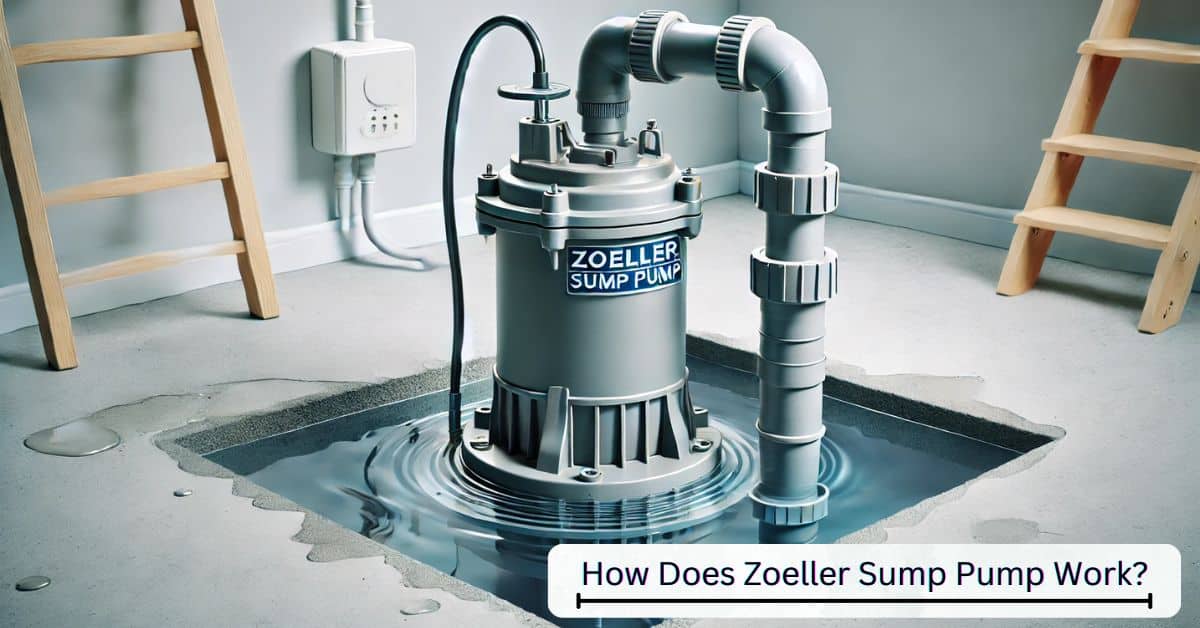
Sump pumps are vital tools for keeping our basements dry and free from flooding. A Zoeller sump pump works by automatically pumping water out of a sump basin, triggered by a float switch that detects rising water levels. This straightforward process ensures that water doesn’t build up and cause damage, making it a critical component for homeowners, especially in areas prone to heavy rain.
I’ve seen first-hand how effective these pumps can be. They are designed to take the worry out of unexpected water issues, whether it’s from melting snow or heavy rainfall. With proper installation and regular maintenance, a Zoeller sump pump can last for years, saving you from costly repairs down the road.
To help you grasp how these systems function, I’ll break down the various components, how they operate automatically, and what you need to know about installation and upkeep. Understanding these aspects will empower you to make informed choices about protecting your home from water damage.
Key Takeaways
- Zoeller sump pumps automatically remove water to prevent flooding.
- Regular maintenance extends the lifespan of your sump pump.
- Knowing how to install and operate a sump pump can save you from costly repairs.
Understanding the Fundamentals of Sump Pumps
Sump pumps are essential for keeping basements dry and free from flooding. Understanding their basic functions and the importance of the sump pit can help homeowners make informed decisions about their systems.
What Is a Sump Pump?
A sump pump is a device installed in the lowest part of a home, typically a basement or crawl space. Its main job is to remove water that accumulates in a sump pit, preventing flooding and moisture buildup.
When water from heavy rain or melting snow seeps into the pit, the sump pump activates. It pumps the water out through a discharge pipe, keeping the area dry. There are two main types of sump pumps: submersible and pedestal.
- Submersible Pumps are designed to operate underwater, making them more efficient and quieter.
- Pedestal Pumps sit above the pit and are easier to access for maintenance.
Choosing the right sump pump can impact its effectiveness and lifespan.
The Role of a Sump Pit
The sump pit is the critical component where water collects before being pumped out. This pit is usually dug below the basement floor and lined with gravel or concrete to aid drainage.
The size of the sump pit matters. A larger pit can hold more water, giving the sump pump more time to react. It’s essential that the pit is properly sealed to prevent dirt and debris from entering.
A well-maintained sump pit will help the sump pump operate effectively. I always advise checking for proper drainage around the pit and ensuring that it’s free of blockages. Regular inspections can save you from costly repairs and give peace of mind during heavy rains.
Diving into Zoeller Sump Pumps
Understanding the types and models of Zoeller sump pumps helps homeowners make informed decisions. I’ll break down the key differences between submersible and pedestal pumps, giving you the details you need.
Zoeller’s Pump Types and Models
Zoeller offers a range of sump pumps, each designed for specific needs. Their submersible pumps are built to operate fully underwater. They come with powerful motors, ideal for removing large amounts of water from basements quickly. For instance, the Zoeller M53 has a flow rate of 43 gallons per minute and can lift water considerably high.
In contrast, pedestal pumps sit above the sump pit. They are easier to maintain since the motor is out of the water, reducing the likelihood of electrical issues. A popular choice is the Zoeller 50 Series, which combines durability and reliability, making it suitable for various settings.
Comparing Submersible and Pedestal Variants
When choosing between submersible and pedestal variants, certain factors matter. Submersible sump pumps have better sealing against water, allowing them to operate more quietly. They are generally more efficient when dealing with larger water volumes, perfect for homes prone to flooding.
On the other hand, pedestal pumps are easier to access for repairs. They require minimal upkeep and usually cost less upfront. While submersible pumps excel in efficiency, the pedestal option often wins in serviceability. Each type has its benefits, so I encourage homeowners to assess their needs before making a choice.
Sump Pump Components and Mechanics
Understanding the components and mechanics of a Zoeller sump pump is crucial for maintaining a dry basement. Each part plays a distinct role in the effective removal of water from your home. Let’s break down the key parts and how they work together.
The Motor and Impeller
At the heart of the Zoeller sump pump lies the motor and the impeller. The motor is a powerful unit that drives the impeller, creating the suction needed to draw water into the pump.
When the pump is submerged in water, the impeller spins, forcing water into the intake. This action helps remove excess water from the sump pit efficiently.
The motor is often designed as a submersible pump, meaning it operates underwater, making it ideal for basement use. With a reliable motor, the pump can handle large volumes of water, making it an essential tool in flood prevention.
Switches and Valves
The float switch is another critical component of the sump pump. It monitors the water level in the sump pit. When the water rises to a certain point, the float activates the pump, ensuring constant operation when needed.
In addition to the float switch, the check valve is vital. This valve allows water to discharge from the sump pump while preventing it from flowing back into the pit. It’s crucial for maintaining efficiency and preventing water from re-entering the basement.
Together, these components ensure that the pump operates smoothly, offering peace of mind during heavy rains or flooding. Keeping an eye on these parts can help prolong the lifespan of your sump pump and protect your home from water damage.
The Automatic Operation of Sump Pumps
In my experience, understanding how the automatic operation of sump pumps works is essential for effective water management in your basement. A sump pump relies on float switches to control its operation, ensuring it runs only when needed. Knowing how to troubleshoot common issues with these switches can save you time and hassle.
How Float Switches Control the Pump
Float switches are crucial for the automatic operation of sump pumps. They detect water levels in the sump pit and trigger the pump when necessary.
There are two common types: tethered float switches and vertical float switches. A tethered float switch moves up and down with the water, while a vertical float switch hangs straight down. When the water rises, the float moves up, and once it reaches a certain height, it activates the pump.
When the water level drops, the float switch resets, turning the pump off. This automatic control ensures the pump runs efficiently, handling groundwater and preventing flooding.
Troubleshooting Common Switch Issues
Sometimes, float switches can cause problems. A faulty float switch may prevent the pump from turning on or off correctly. If you notice that your sump pump runs continuously or doesn’t activate, check the switch first.
Start by inspecting the float for any obstructions. If there’s debris in the sump, it may hinder the float’s movement. Also, ensure that the float isn’t stuck against the side of the pit.
If the float switch is clean and free to move, it could be damaged. In that case, replacing the float switch might be the best solution to restore proper operation. Regular maintenance can help avoid these issues and keep your sump pump running smoothly.
Installation and Maintenance Insights
Installing a Zoeller sump pump requires careful consideration of your specific circumstances. Whether you choose a professional plumber or decide to do it yourself, understanding how to properly maintain the pump is also key for long-term performance.
Professional Installation vs. DIY
When it comes to installing a submersible pump, hiring a professional can save a lot of headache. A certified plumber ensures that the pump is installed correctly, avoiding issues that can arise from improper installation. They can assess your basement’s needs and recommend the right model for your situation.
However, if you’re handy and up for a challenge, a DIY installation can be rewarding. Make sure you have the right tools and materials, like a drill and a sump pump basin. Follow the installation manual closely while keeping safety in mind. Just remember, if you run into trouble, it’s always wise to call in a pro.
Regular Maintenance Routines
Maintaining your Zoeller pump is essential to keeping it functioning well. I recommend checking the pump regularly for any signs of wear or debris. Clear out the sump basin to prevent clogs. It’s important to ensure that the pump runs smoothly, especially before heavy rains.
A good practice is to run the pump by pouring water into the basin. This simulates a real working condition and makes sure everything is ready for action. Also, consider replacing the backup battery every few years to ensure reliability during power outages. Regular checks can prevent costly repairs down the line and keep things flowing.
Dealing with Water Issues
Water problems can cause serious damage to your home if not managed properly. I want to share some practical solutions to help with water accumulation and improve drainage systems in your property.
Preventing Water Accumulation
Water accumulation can lead to bigger problems down the line, especially in crawl spaces or basements. To tackle this, I always recommend ensuring proper grading around your home. The land should slope away from the foundation to prevent water from pooling.
Installing gutters and downspouts can also play a critical role. Ensure they direct water at least six feet away from your home. Regularly cleaning these systems prevents blockages that might cause overflow.
Another effective measure is to use an ejector pump in areas prone to flooding. Ejector pumps help remove water accumulated in basements, keeping the space dry and safe. By addressing these factors, you can significantly reduce water issues.
Enhancing Drainage Solutions
Good drainage is essential for preventing water problems. I suggest evaluating your existing drainage systems to identify any weaknesses. If your yard has low spots or clogged drains, water can easily gather.
Consider installing a French drain, which collects and directs water away from your foundation. This is particularly helpful in areas with heavy rainfall.
If your crawl space is an issue, a sump pump can be a game changer. A sump pump removes excess water, keeping the area dry. Regular maintenance is key; I check the pump’s operation and clean it often to ensure it functions correctly.
By focusing on these drainage solutions, I protect my home from water damage while maintaining a comfortable living environment.
Advanced Features and Add-Ons
When it comes to Zoeller sump pumps, advanced features can make all the difference in protecting your basement. Understanding the importance of power and efficiency helps me choose the right model for my needs. Let’s explore some key enhancements available.
Battery Backup Sump Pumps
I always recommend considering a battery backup sump pump. This feature ensures that my pump continues to work even during power outages. A reliable battery backup can kick in automatically when the main pump fails.
Typically, these systems use a 12-volt battery. They can pump out water during emergencies, keeping my basement dry. Installing this type of system adds a layer of security, especially in areas prone to heavy rain or flooding.
Energy-Efficient Models
Energy efficiency is another critical factor when selecting a sump pump. Many Zoeller models are designed to be energy efficient, which not only saves me money on my utility bills but also reduces environmental impact.
These pumps use advanced technology to minimize power consumption while maintaining strong pumping performance. By choosing an energy-efficient model, I can feel good about my choice and its effect on the planet. Plus, they often run quieter, making them more pleasant to have in the basement.
Frequently Asked Questions
I’ve gathered some common questions about Zoeller sump pumps. These pumps play a crucial role in keeping basements dry. Let’s dive into what you need to know.
How does a water-powered sump pump keep your basement dry, eh?
A water-powered sump pump uses your home’s water supply to operate. When the primary pump fails, this type can kick in using water pressure. It’s an excellent backup method, especially during power outages.
What’s the average lifespan of a Zoeller sump pump, buddy?
Typically, a Zoeller sump pump lasts around 5 to 10 years with proper maintenance. Factors like usage and environment impact its lifespan. Regular checks and timely servicing can help extend its life, ensuring you stay dry.
Do you gotta drill a weep hole for a Zoeller sump pump, or what?
Yes, drilling a weep hole may be necessary. This small hole allows water to drain properly, preventing clogs in the pump. It helps maintain efficient operation and reduces the risk of flooding.
How long can you run your Zoeller sump pump non-stop before giving it a break?
You can run a Zoeller sump pump continuously as long as it doesn’t overheat. Most pumps are built for heavy usage, but it’s wise to give it a break if it runs for extended periods. Check the manufacturer’s guidelines for specific run times.
When should you think about replacing your Zoeller sump pump to avoid a wet surprise?
Consider replacing your Zoeller sump pump after 7 to 10 years, especially if you notice decreased performance. Signs like strange noises, frequent cycling, or visible rust should also prompt a replacement. Regular inspections can help catch issues early.
What’s the real deal with water-powered backup sump pumps and their costs?
Water-powered backup sump pumps can be a bit pricier up front, often ranging between $200 to $500. However, the peace of mind they provide during power outages can be worth the investment, protecting your home from flooding.

Thomas Peterson
Owner WSA
About the Author
Latest Posts
Born and raised in Nanaimo on Vancouver Island. Thomas gained a deep appreciation for the importance of clean, reliable water. With over 15 years of experience working with water treatment systems, Thomas has become a trusted expert in helping local homeowners and businesses resolve the unique challenges of well water across the Island.
From hard water and iron buildup to low water pressure and sediment issues, Thomas takes a practical, no-nonsense approach to solving water problems. Whether it’s installing filtration systems or troubleshooting well pump issues, Thomas focuses on long-lasting solutions that help people get the clean, safe water they need.
As a proud local professional, Thomas is dedicated to serving his community with honesty, quality service, and expert advice tailored to the water conditions of Vancouver Island.
Areas of Expertise: Well Service, Well Pumps, Water Filtration Systems
- Clack Water Softener Alternatives: Top Systems for Hard Water Treatment in 2025 November 8, 2025
- Best Well Water Test Kit Options for Safe Home Water Testing in 2025 November 5, 2025
- Best Well Water TDS Meter for Accurate Home Testing in 2025 November 1, 2025
- Best Well Water Sediment Filter Systems for Clean Home Water in 2025 October 29, 2025
- Best Well Water Saltless Water Softener Systems for 2025 October 26, 2025
Facebook Twitter LinkedIn Instagram Reddit
Fact Checked & Editorial Guidelines
Our Fact Checking Process
We prioritize accuracy and integrity in our content. Here’s how we maintain high standards:
- Expert Review: All articles are reviewed by subject matter experts.
- Source Validation: Information is backed by credible, up-to-date sources.
- Transparency: We clearly cite references and disclose potential conflicts.
Your trust is important. Learn more about our fact checking process and editorial policy.
Reviewed by: Subject Matter Experts
Our Review Board
Our content is carefully reviewed by experienced professionals to ensure accuracy and relevance.
- Qualified Experts: Each article is assessed by specialists with field-specific knowledge.
- Up-to-date Insights: We incorporate the latest research, trends, and standards.
- Commitment to Quality: Reviewers ensure clarity, correctness, and completeness.
Look for the expert-reviewed label to read content you can trust.