
How Does the Jet Well Water Pump Foot Valve Function?
How a jet well water pump foot valve works: it stops water from flowing back down the well between pump cycles, keeping pressure stable.

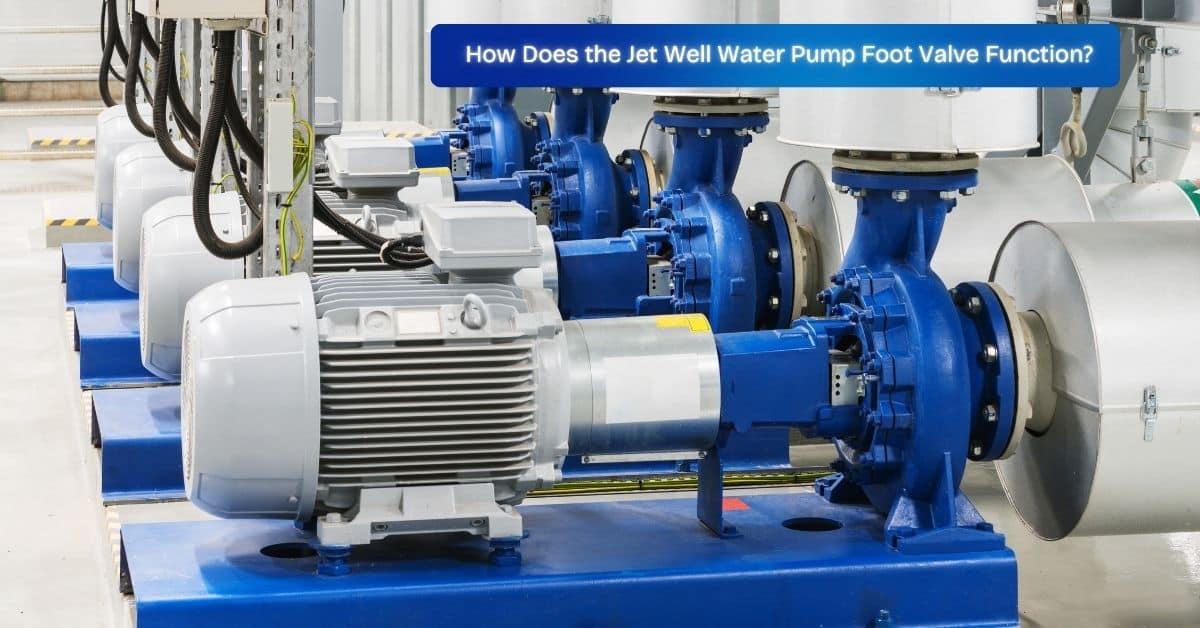
Understanding how a jet well water pump foot valve works is crucial for anyone relying on well water systems. The foot valve plays a vital role by ensuring that water does not flow back into the well when the pump is not running, which keeps the system primed and ready to go. Without this simple yet effective component, your water supply could face interruptions and inefficiencies that lead to bigger issues over time.
Properly functioning foot valves are often the unsung heroes of jet pump systems. They help maintain steady water flow and protect the pump from damage caused by backflow. Knowing how they work can save you time and money on repairs and maintenance, while also helping you optimize your water supply.
So, if you’re looking to enhance your understanding of your water system and learn how to troubleshoot common foot valve issues, you’ve come to the right place. Let’s dive into the specifics of this essential component and its operation in jet pump systems.
Key Takeaways
- Foot valves prevent backflow, ensuring a consistent water supply.
- Proper installation and maintenance optimize jet pump performance.
- Understanding foot valve function helps in troubleshooting issues effectively.
Understanding the Basics of Jet Pumps and Foot Valves
Jet pumps are critical components in water supply systems. They rely on a foot valve to maintain pressure and ensure smooth operation. Let’s dive deeper into what makes these systems tick.
What Is a Jet Pump?
A jet pump is designed to draw water from either shallow or deep wells. It uses a jet of water to create suction, pulling water up through the suction line. In a shallow well jet pump, this system typically works for wells less than 25 feet deep.
When installing a jet pump, it’s essential to know its parts. The main components include a motor, the jet assembly, and the foot valve. The motor drives the pump, which creates a jet of water that helps lift the water to the surface. This process is all about pressure and flow, making it efficient for household and agricultural use.
The Essential Role of the Foot Valve
The foot valve is a small yet vital part of the jet pump system. Located at the end of the suction line, it prevents water from flowing back into the well when the pump is off. This is crucial for maintaining priming and preventing air from entering the suction line.
If the foot valve fails, the pump could lose prime, and you’d find yourself without water. Regularly checking the foot valve is a smart move for anyone relying on a jet pump. Knowing the signs of a malfunction, like inconsistent water supply or strange noises, can save you a lot of hassle.
In my experience, keeping these systems well-maintained ensures a reliable water supply and saves money in the long run.
Component Analysis
In this section, I’ll break down the primary components of a jet well water pump, focusing on its key parts and their functions. It’s crucial to understand how these elements work together, especially the foot valve, which plays a significant role in maintaining the pump’s efficiency.
Anatomy of a Jet Pump
At its core, the jet pump consists of two main parts: the impeller and the ejector assembly. The impeller spins rapidly to create a vacuum, pulling water from the well into the pump. This action is vital for water movement.
The ejector assembly works alongside the impeller. It’s designed to help move water efficiently through the system. The combination of these two components allows the pump to lift water from deeper wells, typically over 25 feet. Understanding the anatomy helps appreciate how pressure is generated to supply water to homes or irrigation systems.
Dissecting the Foot Valve
The foot valve is a crucial piece that prevents water from flowing back into the well when the pump is turned off. It is installed at the end of the suction pipe and serves as a one-way gate. This keeps the system primed, meaning the pump can operate efficiently without losing its suction.
If the foot valve fails, it can lead to problems like losing prime, which means the pump can’t draw water effectively. Regular checks on this valve ensure that the entire system runs smoothly and reduces maintenance issues down the line. A properly functioning foot valve is key to a hassle-free water supply.
Supporting Elements: Suction Pipe and Pressure Tank
The suction pipe connects the foot valve to the pump, allowing water to flow in. It’s important to ensure this pipe is free from leaks and blockages to maintain good water flow. If the pipe has any cracks or obstructions, it can lead to a drop in water pressure.
The pressure tank works in conjunction with the pump to store water under pressure. When water is used, the tank releases it, ensuring a steady flow. This setup prevents the pump from running continuously, saving energy. A well-maintained pressure tank complements the jet pump system by ensuring efficient water distribution to your home or irrigation needs.
Hydrodynamics and Mechanics
In this section, I’ll break down how the mechanics of jet pumps work. This includes the critical roles of suction and pressure, as well as how foot valves effectively stop water from flowing back into the well.
The Science of Suction and Pressure in Jet Pumps
Jet pumps rely on a combination of suction and pressure. When the pump operates, it creates a vacuum in the suction line. This vacuum pulls water from the well, using atmospheric pressure to drive it up through the pipe.
The amount of pressure generated is key. It must overcome head loss caused by friction in the pipe. If the pressure isn’t sufficient, water won’t reach the surface. The water flow rate is also influenced by the size of the suction line and any twists or bends in it.
Gravity plays a significant role, too. Water naturally wants to fall back down. That’s why maintaining a proper balance of suction pressure is crucial to keep the flow steady.
How Foot Valves Prevent Reverse Flow
Foot valves are essential in maintaining the pump’s prime. Located at the base of the suction line, they act as a non-return valve. When the pump stops, the foot valve closes. This prevents reverse flow, stopping water from falling back into the well.
By sealing off the suction line, the foot valve maintains a vacuum. Without it, gravity would pull the water back down, potentially leading to a loss of prime. This situation can leave you with a dry pump and a lot of frustration.
Thus, ensuring your foot valve is working correctly is vital for the system’s efficiency and reliability. Regular checks can save you headaches down the line.
Operational Specifics of Jet Pump Systems
Understanding how jet pump systems operate can help you make informed choices for your water supply needs. Let’s break down the differences between shallow and deep well jet pumps, as well as single-line and dual-line jet pump systems.
Shallow vs. Deep Well Jet Pumps
Shallow well jet pumps are designed for wells that are typically less than 25 feet deep. They rely on a simple mechanism to draw water up through a foot valve located at the bottom of the well. The foot valve prevents backflow, ensuring that water stays in the system when the pump is off.
In contrast, deep well jet pumps can reach depths of up to 150 feet or more. They use a two-line system, which includes a suction line and a discharge line. This setup allows the pump to maintain better pressure and lift water from much deeper sources. These pumps tend to be more complex and require careful installation to prevent issues like losing prime, which is when the pump fails to draw water.
Single-Line vs. Dual-Line Jet Pumps
Single-line jet pumps, also called one-line jet pumps, are simpler and often more affordable. They use one line to draw water from the well and push it into the building. This system works best in shallow applications where water depth is manageable.
Dual-line jet pumps, or two-line jet pumps, feature both a suction line and a discharge line. This design enhances efficiency, especially for deeper wells. The extra line helps maintain a steady flow of water and can improve performance. However, these systems can be more complicated to install and may require more maintenance over time.
Both types have their pros and cons, but the right choice will depend on your specific water needs and well conditions.
Installation Procedures
Getting your jet pump and foot valve installed correctly is crucial for smooth operation. I’ll walk you through the essential steps to ensure that everything fits together properly and functions as it should.
Jet Pump Installation Basics
First, it’s important to assess your well casing and make sure it’s in good shape. Check the diameter of the well and clean out any debris. This will help the jet pump install in a snug fit without issues later on.
Next, position the jet pump above the well pit. Align the pump with the well casing for easy access. Secure the suction pipe to the pump head, making sure all connections are tight. It’s useful to have a pitless adapter if you’re working with a deeper well. This allows for easier separation of the pump from the well while maintaining a proper seal.
Incorporating the Foot Valve and Ensuring Proper Sealing
The foot valve plays a key role in keeping the pump primed. I recommend checking that the foot valve is the correct size for your system before installation. If the valve is too big or too small, it can lead to problems.
When installing, lower the foot valve to the bottom of the tailpipe. Ensure it’s secured properly to prevent any backflow. Use plumber’s tape on threaded joints to ensure a good seal and prevent leaks. After you’ve set up everything, double-check all connections. A little bit of care goes a long way in troubleshooting issues down the road.
With these basics covered, you’re on your way to a successful installation!
Preventative Measures and Maintenance
Taking care of your jet well water pump foot valve is essential for keeping your system running smoothly. Regular maintenance can help you catch problems before they escalate. I’ll break down some key practices to keep your pump in top condition.
Routine Jet Pump System Check-ups
I recommend performing regular check-ups on your jet pump system. This includes inspecting the well piping and ensuring that check valves are functioning properly.
Look for any signs of debris or clogging that can obstruct water flow. Using a strainer at the intake of your foot valve can prevent small particles from damaging your pump.
It’s wise to monitor your water pressure tank as well. Any fluctuations could mean there’s an issue with your foot valve or the entire pumping system.
Set reminders for these check-ups, as consistent monitoring can save you a lot of hassle and money.
Recognizing and Addressing Common Foot Valve Issues
I’ve seen various issues arise with foot valves, so knowing what to watch for is crucial. A common problem is a leaking foot valve, which can lead to a loss of prime. I always recommend checking for signs of water at the pump, which could indicate that you’re facing this issue.
Another issue is blockage due to debris. To address this, I often suggest removing the foot valve and cleaning it thoroughly. Regular cleaning can prevent significant water pressure loss.
If you notice reduced water pressure, I check the check valves in the system. They should open and close properly to maintain consistent pressure.
Keeping an eye on these common issues can prevent costly repairs and ensure your system runs like a well-oiled machine.
Troubleshooting and Repairs
When dealing with jet pump issues, identifying the problem early can save time and money. I’ve seen common symptoms that indicate foot valve trouble, and knowing how to diagnose and repair them is key. Here’s what you need to look for and how to tackle those issues effectively.
Symptoms of Jet Pump Troubles
If your jet pump is acting up, you may notice several symptoms. Common signs include:
- Short cycling: This occurs when the pump turns on and off rapidly. It often means there’s an issue with the foot valve or air leaks in the suction line.
- Water hammer: This loud banging noise suggests that the system is under pressure. It might be due to a faulty check valve not sealing properly.
- Loss of prime: If the pump runs dry, it’s usually a clear indicator of a foot valve failure.
I always recommend checking for leaks in the suction line and inspecting the foot valve for clogs or damage that could prevent proper operation.
Foot Valve Failure Diagnosis and Replacement
Diagnosing foot valve problems requires careful inspection. First, I check if the valve is submerged. If it’s not, the pump won’t work properly. Next, I look for physical blockages or wear and tear.
To replace a faulty foot valve, follow these steps:
- Shut down the pump and relieve system pressure.
- Disconnect the suction line from the pump.
- Remove the old foot valve from the well. I often use a derrick for deeper installations.
- Install the new valve, ensuring it’s secure and submerged.
Make sure to test the system after installation. If everything is set properly, the pump should prime easily and run smoothly. Addressing these issues promptly prevents further damage and keeps your water supply steady.
Performance Optimization
Optimizing the performance of a jet well water pump involves understanding how to maximize water delivery and adjust pressure settings. When you pay attention to these factors, you can ensure your system runs efficiently and meets your water needs.
Maximizing Water Delivery and Flow Rates
To achieve high water delivery rates, I focus on a few key components. First, consider the gallons per minute (GPM) that your pump can handle. This figure indicates how much water the pump can deliver effectively.
Next, ensure your well flow rate matches your pump’s capacity. When the well supplies more water than the pump can handle, it helps prevent dry running and damage.
I also look at the pump horsepower. A higher horsepower often means better performance in delivering water. It’s crucial to pair the right pump with the specific needs of your home or business to avoid problems like underperformance.
Adjusting for Optimal Water Pressure
Setting the right water pressure is just as vital. A well-maintained water pressure tank plays a significant role here. It helps store water and maintains consistent pressure.
I always check the pressure switch settings. They should typically be set between 30 PSI and 50 PSI. This range ensures adequate flow without stressing the system.
Additionally, I inspect all connections and pipes for leaks, which can reduce efficiency significantly. Knowing the balance between pump capacity and water demand is essential to keep everything running smoothly.
Advanced Considerations
When dealing with jet well water pumps, it’s important to account for specific applications and unique water sources. These considerations can affect performance and efficiency, especially in challenging environments.
Jet Pumps in Industrial Applications
In industrial settings, jet pumps play a vital role in moving water efficiently. I often see them used in deep wells to provide reliable water supply for manufacturing processes. The design allows for effective pumping from significant depths.
For example, when using a jet pump in a factory that needs a steady flow of water for cooling systems, the foot valve’s function is crucial. It prevents backflow, ensuring that the system stays primed and ready. Those working with sump pumps or in agriculture can also benefit from a robust foot valve system, keeping water where it belongs.
Adapting Systems for Unique Water Sources
Different water sources present unique challenges. For instance, using jet pumps for ponds or pools demands custom adaptations. Here, selecting the right foot valve is essential to manage varying water levels.
If I’m working with shallow wells, I have to ensure that the system can handle sediment and debris that may clog valves. In deep wells, I recommend using higher-quality valves that can withstand greater pressure. This adaptability is key for efficient operation, especially when considering seasonal changes in water levels or quality.
Frequently Asked Questions
When it comes to jet well water pump foot valves, I often hear several common questions. These cover signs of failure, troubleshooting steps, replacement processes, and more. Let’s break down these topics for a clearer understanding.
What are the telltale signs that a well pump foot valve might be failing?
You might notice several symptoms if a foot valve is starting to fail. Common signs include reduced water pressure, frequent cycling of the pump, or water draining back into the well when the pump is off. If you see the pump running more often without any increase in water output, it’s time to investigate.
Can you walk me through troubleshooting a jet pump foot valve issue?
First, check the entire system for leaks. Look for water pooling around the pump or on the ground. Then, listen for unusual noises indicating a potential blockage. If the pump isn’t priming properly, verify that the foot valve is not stuck open or dirty. Cleaning or replacing the valve usually resolves the issue.
What steps are involved in replacing a foot valve for a well pump?
Replacing a foot valve requires a few steps. First, turn off the water supply and disconnect the pump from power. Next, remove the pump and locate the foot valve at the bottom of the intake line. Replace the old valve with a new one, ensuring proper sealing. Finally, reattach the pump and test for leaks.
How does a deep well jet pump foot valve operate?
A foot valve works by allowing water to enter the pump but preventing it from flowing back down into the well. It uses a rubber seal that closes when the pump is off, creating a one-way flow of water. This valve is essential, especially in deep well applications, to maintain the prime of the pump.
Why is a foot valve critical for maintaining a well’s water pressure?
A functioning foot valve is essential for maintaining consistent water pressure. Without it, water can drain back into the well, leading to air being sucked into the pump. This air can cause the pump to lose its prime, making it harder to draw water when needed.
How to assemble a jet pump foot valve
Assembling a foot valve is fairly straightforward. Start by placing the valve in the correct orientation with the strainer facing down. Secure it to the intake pipe using the appropriate fittings. Be sure to check that all connections are tight and watertight. After assembly, test the system for proper performance.

Thomas Peterson
Owner WSA
About the Author
Latest Posts
Born and raised in Nanaimo on Vancouver Island. Thomas gained a deep appreciation for the importance of clean, reliable water. With over 15 years of experience working with water treatment systems, Thomas has become a trusted expert in helping local homeowners and businesses resolve the unique challenges of well water across the Island.
From hard water and iron buildup to low water pressure and sediment issues, Thomas takes a practical, no-nonsense approach to solving water problems. Whether it’s installing filtration systems or troubleshooting well pump issues, Thomas focuses on long-lasting solutions that help people get the clean, safe water they need.
As a proud local professional, Thomas is dedicated to serving his community with honesty, quality service, and expert advice tailored to the water conditions of Vancouver Island.
Areas of Expertise: Well Service, Well Pumps, Water Filtration Systems
- Clack Water Softener Alternatives: Top Systems for Hard Water Treatment in 2025 November 8, 2025
- Best Well Water Test Kit Options for Safe Home Water Testing in 2025 November 5, 2025
- Best Well Water TDS Meter for Accurate Home Testing in 2025 November 1, 2025
- Best Well Water Sediment Filter Systems for Clean Home Water in 2025 October 29, 2025
- Best Well Water Saltless Water Softener Systems for 2025 October 26, 2025
Facebook Twitter LinkedIn Instagram Reddit
Fact Checked & Editorial Guidelines
Our Fact Checking Process
We prioritize accuracy and integrity in our content. Here’s how we maintain high standards:
- Expert Review: All articles are reviewed by subject matter experts.
- Source Validation: Information is backed by credible, up-to-date sources.
- Transparency: We clearly cite references and disclose potential conflicts.
Your trust is important. Learn more about our fact checking process and editorial policy.
Reviewed by: Subject Matter Experts
Our Review Board
Our content is carefully reviewed by experienced professionals to ensure accuracy and relevance.
- Qualified Experts: Each article is assessed by specialists with field-specific knowledge.
- Up-to-date Insights: We incorporate the latest research, trends, and standards.
- Commitment to Quality: Reviewers ensure clarity, correctness, and completeness.
Look for the expert-reviewed label to read content you can trust.