
How Does a Well Work? Understanding the Basics
How does a well work: a well draws water from underground aquifers, providing households with a reliable source of fresh water.

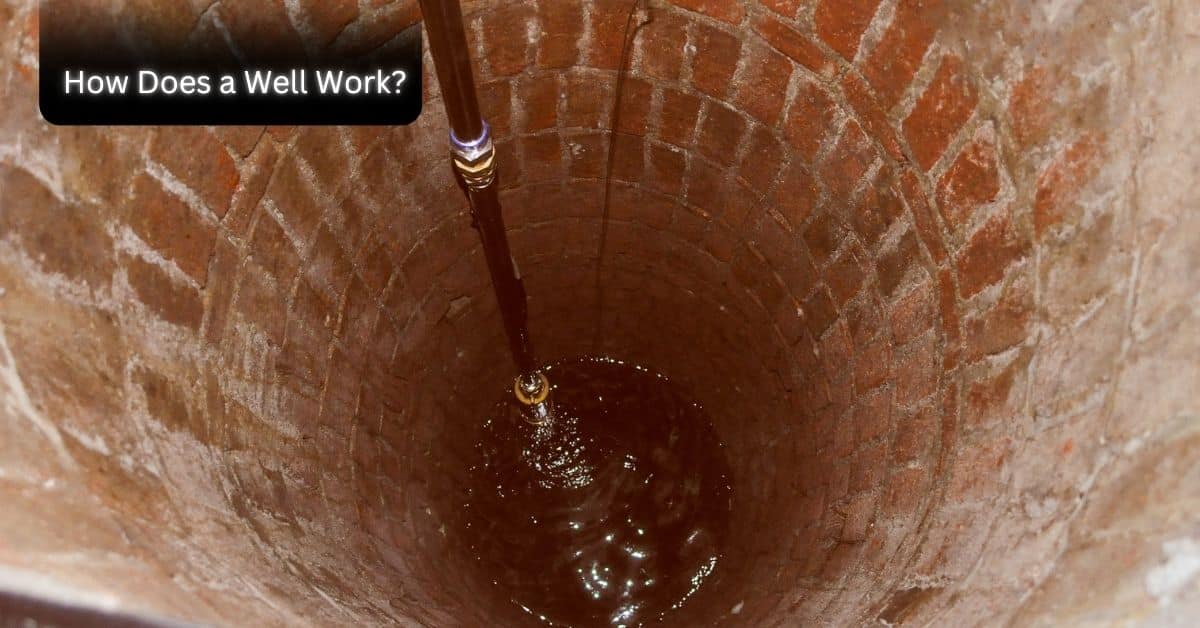
When I think about how a well works, it’s fascinating to see the interplay of nature and technology. A well draws water from underground aquifers, providing households with a reliable source of fresh water. Understanding the mechanics behind wells can empower homeowners to make informed decisions about their water supply.
The process involves various components, from pumps that extract water to pressure systems that deliver it to our taps. These systems are designed to meet the specific needs of each household, ensuring that water flows reliably and efficiently.
If you’ve ever wondered about water quality or how to maintain a well, this article will break it down in simple terms. I’ll guide you through the essential aspects of well systems, shedding light on everything from construction to maintenance.
Key Takeaways
- Understanding how wells work helps in making better water choices.
- Proper maintenance ensures the longevity and safety of your water supply.
- Different types of pumps and systems can cater to various household needs.
The Basics of Wells
When it comes to understanding how a well works, it’s essential to get a grip on the fundamentals, including the types of wells and their key components.
Understanding Water Wells
Water wells are openings drilled into the ground to access groundwater. This valuable resource comes from underground layers known as aquifers. An aquifer is a rock or sediment layer that can hold water. Groundwater is replenished naturally through rainfall and snowmelt. This process allows water to seep down, filling the aquifers. When I think about a well, I see it as a direct link to this hidden supply of fresh water beneath our feet.
Types of Wells
There are several types of wells, each designed for specific conditions. Here are a few common ones:
- Drilled Wells: Created using heavy machinery, these wells are deep and can reach various aquifers.
- Dug Wells: Shallow wells hand-dug into the ground. They are often lined with stones or bricks but are more prone to contamination.
- Driven Wells: Constructed by driving a pipe into the ground, usually for shallow groundwater. These are quick and relatively inexpensive.
- Bored Wells: These are larger in diameter and typically go deeper than dug wells. They offer a larger water supply but require specialized equipment.
- Rock Wells and Sand Wells: These refer to the geological materials surrounding the well, affecting water quality and supply.
Each type of well suits different needs and situations, so it’s vital to choose wisely.
Components of a Typical Well System
A well system consists of several key components working together to deliver water. Here’s what you need to know:
- Casing: This is the pipe that lines the well. It keeps dirt and debris out of the water supply.
- Pump: Essential for moving water from the well into your home. There are different pumps, like submersible for deep wells and jet pumps for shallow ones.
- Water Storage Tank: Once water is pumped, it often goes into a storage tank. This ensures you have enough water when you need it.
- Filtration and Treatment Systems: These are crucial for ensuring the water is safe to drink. Regular maintenance helps keep the system running smoothly.
Understanding these components can help you better manage and maintain your well water system for years to come.
How Wells Access Groundwater?
Wells are essential for tapping into underground water sources. Understanding how groundwater is accessed involves knowing about aquifers and the water table. These elements are key to ensuring we get reliable water from our wells.
The Water Cycle and Aquifers
The water cycle plays a crucial role in replenishing groundwater. Rainwater seeps into the ground, filtering through soil and rocks. This process fills aquifers, which are underground layers of water-bearing soil and rock. Aquifers can store significant amounts of water, making them vital for well systems.
In Canada, many aquifers supply clean drinking water. They vary in size and depth, containing water that moves slowly through porous materials. When I drill a well, I target these aquifers to access quality groundwater. It’s fascinating how nature works to keep these sources available, provided we manage them responsibly.
Role of the Water Table
The water table is the upper boundary of groundwater in an aquifer. It fluctuates based on rainfall and usage. When the ground absorbs water, the water table rises. Conversely, during dry periods or heavy pumping, it can drop.
For me, knowing the position of the water table is critical when planning a well. I aim to drill below this level to ensure consistent access to groundwater. A stable water table means that I can rely on my well to provide water without interruption. Keeping an eye on these changes helps manage water resources sustainably.
Well Construction and Design
When building a well, it’s essential to focus on the right site, the drilling and casing process, and the sealing methods used. Each step plays a critical role in ensuring the well is safe and functional for long-term use.
Selecting a Site
Choosing the right location for a well is vital. I look for a spot that is at least 30 metres away from potential contamination sources, such as septic systems or livestock areas. Ground tests can help assess the soil and rock layers, giving insight into the water quality.
I also consider the water table level in my area. I want to make sure it’s deep enough to provide a reliable water source. Nearby water wells serve as a valuable reference point to assess the potential success of a new well.
Drilling and Casing the Well
Once I’ve pinpointed the perfect site, the next step is drilling. I use a drill rig to reach the water-bearing layers below the surface. The depth will vary based on the geological conditions I encounter.
After drilling, the installation of casing is crucial. The casing usually consists of metal or plastic pipes that protect the well from surface contaminants. It also keeps the walls of the well from collapsing. I often add a gravel pack around the casing to filter out sediment.
Well Caps and Seals
After casing, a well cap is installed at the top. This cap is crucial for keeping pests, debris, and contaminants out of the well. The right seal also prevents surface water from entering, which could lead to contamination.
I usually use grout or other sealing materials to fill any gaps between the casing and the surrounding earth. This solidifies the structure and enhances the safety of the water supply. Proper capping and sealing are essential to ensure the longevity and safety of modern well systems.
Types of Pumps and How They Work
When it comes to getting water from a well, understanding the types of pumps is crucial. Each pump has its own unique functions and best uses based on the well’s depth and water needs.
Jet Pumps and How They Function
Jet pumps are designed to sit above ground, using a combination of air pressure and water to pull water from the well. They rely on a system called centrifugal force, which helps create suction through an impeller.
The water enters through a pipe and gets pushed through the pump before it flows to your home. This setup is often suitable for shallow wells, typically less than 25 feet deep.
One of the pros of jet pumps is their easier maintenance since they’re above ground. However, they might struggle to pull water from deeper wells, making them less versatile for all situations. Keep this in mind when choosing the right system.
Submersible Pumps: A Deep Dive
Submersible pumps, on the other hand, are designed to be submerged directly into the water. They push water to the surface rather than pulling it up. This makes them ideal for deeper wells, as they can handle the weight of the water column above them.
These pumps use a series of impellers that rotate to create pressure. The pressure forces water upward through a discharge pipe. This system is not only efficient but often quieter than jet pumps since they’re located underwater.
Submersible pumps are typically more reliable in deep wells and can deliver water more consistently. However, getting to them for maintenance can be trickier since they sit below the surface. Choosing between these pumps depends largely on the characteristics of your well and your specific water needs.
Understanding Water Pressure and Storage
Water pressure and storage are key parts of a well system. They ensure that water is available when you need it and that it flows steadily through your home. Let’s dive into how the pressure tank and the control mechanisms work together.
The Pressure Tank’s Role
The pressure tank is a crucial component in a well system. It stores water and helps maintain consistent water pressure throughout your home. When water is pumped from the well, it fills the pressure tank. This tank can hold a significant amount of water, which reduces the need for the pump to run constantly.
A typical pressure tank is equipped with air and water compartments. The air works as a cushion, absorbing changes in water pressure. When you turn on a tap, water flows out of the tank, and the pressure drops. This drop triggers the pump to refill the tank, ensuring a steady supply.
Proper maintenance of the pressure tank is essential. A tank that is too full or too empty can cause issues like water hammer or pump cycling. I always check the pressure settings and inspect the tank to make sure it operates smoothly.
Pressure Switch and Control Box
The pressure switch and control box are vital for controlling the water pump. The pressure switch monitors the water pressure in the system. When the pressure drops below a certain level, the switch sends a signal to the control box to activate the pump.
These switches are adjustable, allowing you to set the desired pressure range. Typically, they operate with settings like 30/50 PSI, which means the pump kicks on at 30 PSI and turns off at 50 PSI.
In the control box, you’ll find some important components, including the relay and fuses. They protect the pump from electrical issues and ensure it functions correctly. When troubleshooting, I pay close attention to these parts, as they play a significant role in maintaining efficient operation and preventing damage.
Understanding these systems gives me confidence in my well’s performance and helps me address any issues before they become major problems.
Water Quality and Well Maintenance
Maintaining the quality of well water is crucial for health and safety. Regular checks and proper care can prevent contamination and prolong the life of your well system. Here’s what I’ve learned through experience.
Common Contaminants and Their Sources
Well water can be affected by various contaminants. Common pollutants include bacteria, nitrates, heavy metals, and toxic pollutants.
Bacteria can enter wells from nearby septic systems or surface runoff. Nitrates often come from agricultural fertilisers or animal waste. Heavy metals like lead and arsenic can leach into groundwater from old pipes or natural deposits.
To protect your health, I recommend staying aware of these potential sources. Regular monitoring helps catch issues before they escalate.
Water Testing and Treatment
Testing your well water is essential in keeping it safe. I suggest doing this at least once a year for bacteria and every few years for other contaminants. Many labs offer testing kits for home use or provide guidelines for professional testing.
If contaminants are found, various treatment options are available. Reverse osmosis systems can effectively remove many impurities, while water softeners tackle hardness. Each solution depends on the specific contaminants identified in your tests.
I’ve seen firsthand how effective good water treatment can be in ensuring you have clean, safe drinking water.
Regular Maintenance for Well Systems
Regular maintenance of the well system cannot be overlooked. I typically recommend checking the well cap for cracks or signs of wear, which can allow contaminants to enter.
Another key aspect is inspecting the area around the well. Keep it clear of debris, chemicals, or heavy machinery. This protects against any possible contamination sources.
I also suggest developing a maintenance schedule. Regular service checks can catch issues early. Keeping records of all maintenance and water tests helps maintain a clear history of your well’s condition.
By staying proactive, I can help ensure my well water remains clean and safe for my family.
Well System Upgrades and Modernizations
Upgrading a well water system can greatly improve efficiency and water quality. By incorporating modern technologies and sustainable practices, I can ensure that my household has a reliable source of clean water.
Advanced Pump Technologies
Modern pumps are far more efficient than older models. With advancements in technology, I can now find variable-speed pumps that adjust to my water needs. This not only saves energy but also reduces wear and tear on the system.
Smart pumps come with remote monitoring capabilities, allowing me to check performance and troubleshoot issues right from my smartphone. Additionally, high-efficiency submersible pumps can deliver maximum water output with lower energy consumption, making them an excellent choice for any well system upgrade. Investing in these advanced pump technologies can significantly enhance the overall performance of my well water system.
Water Filtration and Sustainable Practices
Implementing a proper water filtration system is crucial for ensuring safe drinking water. Options like reverse osmosis systems are popular for effectively removing impurities and contaminants. This type of system can provide me with cleaner, healthier water right from the tap.
Incorporating sustainable practices, such as rainwater harvesting, can also help in maintaining a consistent supply while reducing the strain on well systems. By using filters and other eco-friendly solutions, I can support clean water initiatives and contribute to the sustainability of our water resources. These upgrades not only improve water quality but also protect the environment for future generations.
Understanding the Legal and Environmental Considerations
When I think about well ownership, two key areas come to mind: legal rights and environmental impact. Both of these factors are vital for anyone looking to dig a private well.
Water Rights and Well Ownership
As a well owner, I need to understand my water rights. In Canada, water is often considered a public resource. This means that I must comply with local and provincial regulations, which can vary.
Before drilling, I should check if I need a permit. Some regions require me to notify the authorities or obtain a license. If I own a private well, I must also be aware of how much water I can extract. Local laws may limit my usage to ensure other users have access.
Ownership also means responsibility. I’m accountable for maintaining water quality and the condition of the well. It’s essential for my family’s health and the environment.
Environmental Impact and Regulations
The environmental impact of my well is something I can’t overlook. Private wells can affect the local ecosystem. If I don’t manage my well properly, it might lead to issues such as groundwater contamination.
I must follow regulations set out in acts like the Ontario Water Resources Act. This includes keeping my well a certain distance from potential contaminants, such as sewage systems and agricultural runoff.
To ensure safe drinking water, regular water testing is vital. I should also be aware of the best practices for well construction. By following guidelines, I help protect not just my water supply, but also the surrounding environment.
Frequently Asked Questions
When dealing with wells, many questions come to mind. I’ve gathered some common queries that homeowners often have about setting up wells, maintenance, and usage. Let’s dive into the specifics.
How do you set up a water well for a residential property?
To set up a water well on your property, first, you need to consult local regulations. I recommend hiring a licensed well driller who knows the area. They’ll select the right site and depth based on local geology.
Can you explain the process of groundwater replenishment for wells?
Groundwater replenishment happens naturally through a process called recharge. Rainwater or melting snow seeps through the soil into underground aquifers. I’ve seen how important vegetation is in this process, as it aids in slowing down runoff and allows water to filter down effectively.
What are some common drawbacks of using well water for your home?
Using well water can have some drawbacks. Hard water, which is rich in minerals, can cause scaling in pipes and appliances. Additionally, wells can sometimes run dry during dry spells, and water quality can vary, requiring regular testing.
What’s involved in the maintenance of an old-fashioned water well?
Maintenance of an old-fashioned well involves regular checks for signs of wear and any contaminants. I recommend inspecting the well cap, ensuring it’s secure and free from debris. Cleaning the well periodically keeps the water fresh and safe to use.
Could you outline the different types of wells and their uses?
There are several types of wells, including dug wells, drilled wells, and driven wells. Dug wells are shallow and often used for irrigation, while drilled wells go deeper and are best for residential use. Driven wells are typically smaller and installed in areas with water at a shallow depth.
How long does it typically take for a well to run dry during continuous use?
The time it takes for a well to run dry varies based on several factors like the depth of the well and the rate of domestic use. In high-demand situations, I’ve seen wells last anywhere from days to weeks.

Thomas Peterson
Owner WSA
About the Author
Latest Posts
Born and raised in Nanaimo on Vancouver Island. Thomas gained a deep appreciation for the importance of clean, reliable water. With over 15 years of experience working with water treatment systems, Thomas has become a trusted expert in helping local homeowners and businesses resolve the unique challenges of well water across the Island.
From hard water and iron buildup to low water pressure and sediment issues, Thomas takes a practical, no-nonsense approach to solving water problems. Whether it’s installing filtration systems or troubleshooting well pump issues, Thomas focuses on long-lasting solutions that help people get the clean, safe water they need.
As a proud local professional, Thomas is dedicated to serving his community with honesty, quality service, and expert advice tailored to the water conditions of Vancouver Island.
Areas of Expertise: Well Service, Well Pumps, Water Filtration Systems
- Clack Water Softener Alternatives: Top Systems for Hard Water Treatment in 2025 November 8, 2025
- Best Well Water Test Kit Options for Safe Home Water Testing in 2025 November 5, 2025
- Best Well Water TDS Meter for Accurate Home Testing in 2025 November 1, 2025
- Best Well Water Sediment Filter Systems for Clean Home Water in 2025 October 29, 2025
- Best Well Water Saltless Water Softener Systems for 2025 October 26, 2025
Facebook Twitter LinkedIn Instagram Reddit
Fact Checked & Editorial Guidelines
Our Fact Checking Process
We prioritize accuracy and integrity in our content. Here’s how we maintain high standards:
- Expert Review: All articles are reviewed by subject matter experts.
- Source Validation: Information is backed by credible, up-to-date sources.
- Transparency: We clearly cite references and disclose potential conflicts.
Your trust is important. Learn more about our fact checking process and editorial policy.
Reviewed by: Subject Matter Experts
Our Review Board
Our content is carefully reviewed by experienced professionals to ensure accuracy and relevance.
- Qualified Experts: Each article is assessed by specialists with field-specific knowledge.
- Up-to-date Insights: We incorporate the latest research, trends, and standards.
- Commitment to Quality: Reviewers ensure clarity, correctness, and completeness.
Look for the expert-reviewed label to read content you can trust.