
How Does a Submersible Pump Work: Mechanisms & Applications
How does a submersible pump work? Submersible pumps are fascinating pieces of machinery that play a crucial role in moving fluids from one place to another

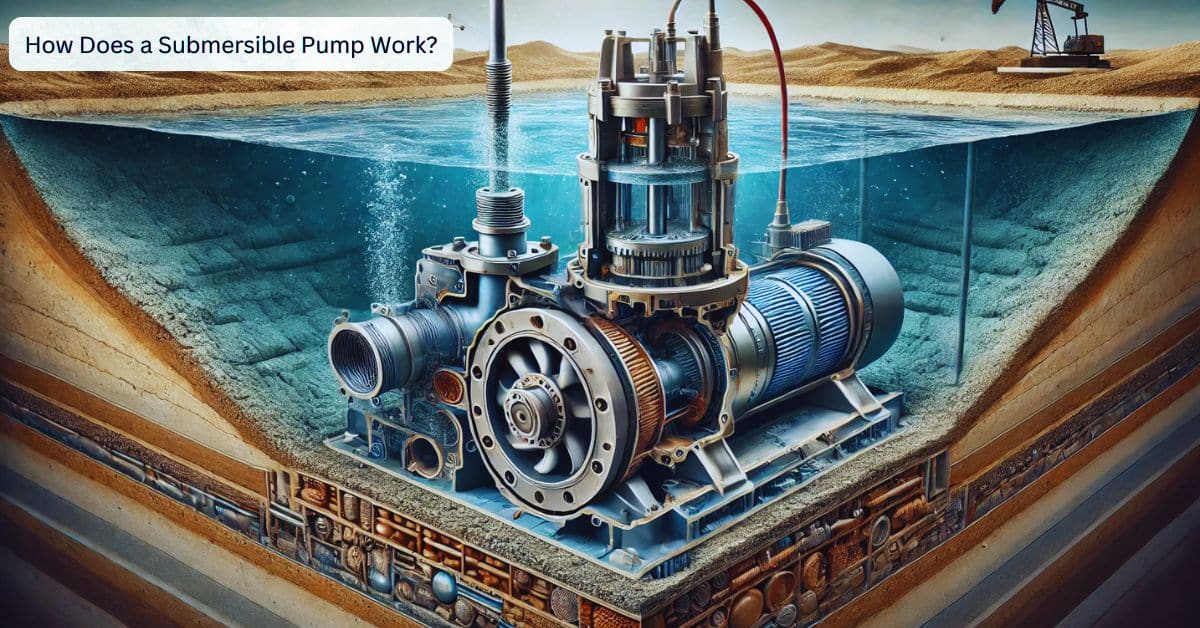
Submersible pumps are fascinating pieces of machinery that play a crucial role in moving fluids from one place to another, especially in challenging environments. A submersible pump works by converting rotational energy into kinetic energy, allowing it to push water—or other fluids—up from beneath the surface. This unique ability makes these pumps incredibly useful in various applications, from draining basements to providing water for irrigation.
When you think about how these pumps operate, it’s clear why they’ve become so popular. They are designed to function while fully submerged, making them efficient and reliable. Knowing the mechanics behind this process can empower you to choose the right pump for your needs, whether it’s for domestic use or heavy-duty industrial tasks.
Understanding the ins and outs of submersible pumps helps us appreciate their role in our lives. From their design to their installation and maintenance, every aspect plays a part in how well they perform. Let’s explore together how these smart devices work and what makes them an essential tool in various fields.
Key Takeaways
- Submersible pumps push fluids by converting energy into motion.
- They are vital for a range of applications, from domestic to industrial.
- Proper installation and maintenance are key for optimal performance.
Understanding Submersible Pumps
Submersible pumps are essential tools in various industries, designed to work underwater. Their unique construction allows them to operate efficiently while submerged, providing reliable performance in challenging conditions. Let’s explore their definition, key components, and the role of the motor.
Definition and Basic Mechanics
A submersible pump is a device that operates while fully submerged in liquid. Unlike other pumps that draw liquid from above, submersible pumps push liquid to the surface from below.
The process starts with the pump drawing water through its intake. The impeller, a rotating part, increases the pressure of the liquid as it passes through. This action moves the liquid into the discharge pipe, pushing it to the desired location.
This design eliminates the need for suction, reducing the risk of cavitation, which can damage a pump. Their reliability and efficiency make submersible pumps popular in areas like mining, agriculture, and drainage systems, especially when dealing with muddy or contaminated water.
Key Components
Submersible pumps consist of several key components. Understanding these parts helps clarify how they function effectively.
- Hermetically Sealed Motor: This motor is crucial because it keeps water out. A sealed motor is filled with oil, providing extra protection against water damage.
- Impeller: The impeller is what creates flow. As it spins, it forces the liquid to move, creating the pressure needed to push it up.
- Pump Housing: This is the casing that surrounds the motor and impeller. It ensures structural integrity and directs the flow of water.
These components work together in harmony. When one part fails, the entire system can be affected. Proper maintenance is key to ensuring that every component operates efficiently.
The Role of the Motor
The motor is the heart of a submersible pump. It provides the energy needed to drive the impeller.
There are two common types of motors used: electric motors and hydraulic motors. Electric motors are prevalent for their efficiency and reliability. They turn the impeller to create the necessary pressure.
The hermetically sealed design protects the motor from damage. This is vital since the motor is submerged in potentially corrosive or muddy liquids. With proper care and maintenance, the motor can last for years, ensuring the pump remains functional.
Types and Applications
Submersible pumps play a crucial role in various industries. They come in different types designed for specific tasks, each with unique features that make them effective.
Different Types of Submersible Pumps
- Well Pumps: These are designed to extract water from deep wells. They operate underwater and push the water to the surface, which prevents air leaks. This makes them efficient for domestic water supply.
- Sump Pumps: Typically used in basements, sump pumps remove water that accumulates in pits. They help prevent flooding and protect structures from water damage.
- Sewage Pumps: These pumps handle human waste and can move sewage from lower to higher areas. They are essential in maintaining sanitation in residential and industrial areas.
- Dewatering Pumps: Used in construction and mining, dewatering pumps remove excess water to keep work sites dry. They are crucial for preventing delays in projects.
- Industrial Pumps: Designed for heavy-duty applications, these pumps move large volumes of water or chemicals in factories and plants.
Typical Applications
Submersible pumps serve various sectors, including:
- Agriculture: They are commonly used for irrigation to lift water from wells or nearby water sources. Efficient water supply is vital for crop growth.
- Water Supply: Many municipalities rely on submersible pumps to provide clean drinking water. They efficiently pump water from underground sources to treatment facilities.
- Wastewater Management: In this field, submersible pumps are essential for transferring sewage and effluent. They help in keeping sewage systems running smoothly and preventing backups.
Each type of pump is tailored to meet specific needs, ensuring reliability and efficiency wherever they are used.
Operation Principles
Understanding the operation principles of a submersible pump helps clarify how these devices efficiently transfer fluids. Key concepts include the use of centrifugal force, the multistage design, and the implications of priming.
Centrifugal Force in Action
When I think about a submersible pump, the first thing that comes to mind is its reliance on centrifugal force. This force drives the pump by spinning an important component called the impeller.
As the impeller rotates, it pushes water outward. This action creates a drop in pressure at the eye of the impeller, allowing more water to flow in. Ultimately, this continuous flow is what moves the water up through the discharge pipe.
The efficiency of the pump is closely tied to the design of the impeller and its interaction with the diffuser. The diffuser helps convert this kinetic energy back into pressure, further enhancing the pump’s overall performance.
Stage by Stage: The Multistage Process
A standard submersible pump has a single impeller, but a multistage centrifugal pump has multiple impellers arranged in series. Each stage increases the pressure as water moves through the stages.
The multiple impellers allow the pump to move water from great depths without losing efficiency. It’s like climbing stairs; each stage gives an added boost. I appreciate how each stage of the pump allows efficient pressure increase while maintaining flow rate.
This design is crucial, especially for applications in deep wells or when pumping against high heads. There’s a clear advantage in using a multistage approach when dealing with challenging conditions.
Priming: Not Required?
One of the unique features of submersible pumps is that they are often self-priming, which means they do not need to be primed before use. Being submerged in water allows the pump to work without the need for additional steps to remove air.
This feature is a game changer, especially in situations where air might get trapped in the pump. I find it reassuring that when I install a submersible pump, I can simply submerge it and begin operation without worrying about priming issues.
The self-priming nature saves time and reduces the risk of damage that can occur with traditional pumps needing manual priming. It’s a practical and effective design choice that simplifies the pump’s operation.
Installation and Maintenance Insights
Installing and maintaining a submersible pump are critical steps in ensuring it works effectively and lasts longer. I’ve learned that proper setup and routine care can save you a lot of money and headaches in the long run.
Setting Up Your Submersible Pump
Before installation, I recommend reviewing the manufacturer’s guidelines. Knowing the depth and diameter of your well is essential. The pump should fit comfortably within these measurements.
Next, I ensure that I have suitable piping and electrical connections. I often use a high-quality PVC pipe for durability. Ensure the electrical parts are appropriately sealed to avoid water exposure. When I lower the pump into the well, I do so slowly to prevent any damage.
Lastly, testing the pump after installation is crucial. I run it for a few minutes and check for any issues like unusual noises or vibrations. A well-installed pump not only performs better but can also significantly reduce initial costs through efficient operation.
Maintenance Best Practices
Regular maintenance keeps my submersible pump running smoothly. I typically check the oil levels in the motor if accessible, as low levels can lead to failures.
I also clean the intake screen regularly to prevent clogs. If the pump is in a clean water source, I sometimes do this every few months; for muddy or dirty water, it’s more frequent.
When it comes to durability, I suggest replacing wear parts, like seals and bearings, as necessary. I keep an eye on the discharge pipe for leaks and joint integrity.
Regularly inspecting electrical connections helps prevent short circuits or power failures. Proper maintenance can easily extend the lifespan of my pump beyond the typical ten years.
Troubleshooting Common Issues
Sometimes, my submersible pump doesn’t behave as expected. When that happens, I first check for power supply issues. A tripped breaker or blown fuse can halt operations.
If the pump runs but doesn’t deliver water, I look for clogs in the intake screen or pipes. If these are clear, it could indicate a problem with the motor itself.
Unusual noises signal that something isn’t right. I often stop the pump immediately to check for debris or internal damage. Addressing these issues quickly can prevent more extensive damage and save on costly repairs.
Advantages and Considerations
When it comes to submersible pumps, there are some clear advantages to choosing this type, but it’s also wise to consider potential drawbacks before making a decision. Let’s break down the benefits and the things you need to think about.
Pros of Going Submersible
Submersible pumps have several distinct advantages. First, efficiency is a major perk. These pumps perform well without the need for additional priming, which means quicker and easier installation for me.
Their versatility is impressive, too. I can use them in various applications, from dewatering to irrigation. The enclosed design minimizes the risk of cavitation, which can damage other types of pumps.
Another benefit is noise reduction. Because they operate underwater, there’s significantly less noise compared to jet pumps or surface pumps. This means a quieter environment, which is something I appreciate, especially in residential areas.
Potential Drawbacks to Keep in Mind
Even with their advantages, it’s crucial to consider the drawbacks. One major issue I often face is maintenance. Submersible pumps can be complex, making repairs tricky. If something goes wrong, it may require pulling the pump out of the water, adding time and cost to the process.
Another concern is cavitation. While submersible pumps are designed to reduce this risk, it can still happen. Cavitation might not only lower performance but also damage the pump if I’m not careful.
Finally, the initial installation cost can be higher compared to other pumps. It often takes longer and may require professional help, which can affect my budget. Being aware of these factors helps me make better choices in the long run.
Material and Design Options
Submersible pumps need the right material and design to perform well and last long. These components significantly impact how well these pumps handle specific tasks, especially in challenging conditions. Let’s break down what makes a top-quality pump.
Durability and Construction
In my experience, durability is non-negotiable for submersible pumps. Many are made from stainless steel, which offers strength and corrosion resistance. This material is ideal for environments that expose pumps to harsh chemicals or saltwater.
Moreover, the construction often involves a hermetically sealed motor. This design keeps moisture and debris out, prolonging the pump’s life. Quality seals and mounting parts also play a big role; if they fail, it can lead to costly repairs.
For a pump to last, look for features like reinforced casing and high-grade bearings. These elements reduce wear and tear and ensure smooth operation, even in challenging applications. A bottom suction pump design effectively removes water from the lowest point, maximizing efficiency and performance.
Specialized Designs for Specific Conditions
Different jobs require specific design features. For instance, some pumps are engineered to handle solid debris in the water, making them perfect for construction sites or flooded areas. I find these rugged designs often include larger inlets and powerful impellers to keep the flow steady.
Another option is using corrosion-resistant materials for pumps exposed to chemicals. These can include specialized coatings or different metal alloys to stand up against aggressive fluids.
In certain cases, pumps with adjustable floats are useful for varying water levels. This adaptability saves time and resources.
Knowing these material options allows you to make an informed decision for your next project.
Advanced Considerations
When working with submersible pumps, I find it essential to focus on technical specifications and their environmental impact. Understanding these aspects helps to ensure optimal performance and longevity while being mindful of energy consumption.
Technical Specifications
When selecting a submersible pump, I pay close attention to key technical specifications. These include flow rate, head height, and motor power.
- Flow Rate: This indicates how much fluid the pump can move per minute. Higher flow rates are necessary for large-scale applications, like deep well submersible pumps.
- Head Height: This refers to the maximum height a pump can lift water. It’s crucial for applications where the source is significantly below the discharge point.
- Motor Power: Electric submersible pumps (ESPs) require adequate power to function efficiently. I look for motors rated for the application to avoid running into issues later.
The materials used in construction also affect durability and performance. I prefer pumps with corrosion-resistant materials, especially for wastewater applications.
Environmental Impact and Energy Efficiency
Environmental considerations are vital when I choose a submersible pump. Many pumps are designed to be energy efficient. This offers not only cost savings but also reduces the environmental footprint.
Using high-efficiency pumps can significantly lower energy consumption. I often choose submersible utility pumps with energy ratings that meet or exceed regulations.
Moreover, I consider the pump’s compatibility with the environment. Factors like depth, temperature, and the presence of corrosive materials can affect performance. Submersible pumps should be rated to handle these conditions effectively.
Incorporating energy-efficient practices can lead to better management of resources, cutting down on unnecessary energy use while ensuring a reliable operation.
Innovations and Future Directions
The world of submersible pumps is changing quickly. New technologies and smarter designs are coming into play. These innovations improve efficiency, reliability, and performance while meeting the needs of various applications, including heavy oil and municipal use.
Emerging Technologies in Submersible Pumps
I’m seeing exciting developments in submersible pump technology. For instance, grinder pumps are becoming a standard choice for wastewater management. Their cutting blades efficiently chop debris, ensuring smooth operation even in tough conditions.
Oil-filled pumps are also gaining attention. They’re particularly effective in heavy oil applications where traditional pumps struggle. The oil acts as both a lubricant and coolant, allowing for reliable performance in challenging environments.
Moreover, bladder pumps are emerging for their simplicity and versatility. They compress and release fluid efficiently, making them ideal for various liquid types.
Predicting Trends and Future Developments
Looking ahead, I predict that energy efficiency will remain a major focus. By 2030, experts suggest submersible pump efficiency will improve by at least 20%. This will come through smart pumping systems that leverage real-time monitoring and advanced materials to maximize performance.
The rise of smart technology is another trend to watch. Remote access features will allow operators to monitor pump performance from anywhere. This means quick adjustments can be made, reducing downtime and maintenance costs.
As the industry moves forward, I fully expect to see sustainability take center stage. New materials and designs will aim to minimize environmental impacts while enhancing pump capabilities. Embracing these innovations will be crucial for anyone relying on submersible pumps.
Frequently Asked Questions
Submersible pumps have several practical applications and important aspects worth discussing. I’ll cover their roles, benefits and drawbacks, and key features that explain how they operate effectively.
What’s the role of a submersible pump in practical applications?
I often see submersible pumps used in various settings, like wells, flooded basements, and sewage systems. They’re great for moving water from underground sources to the surface or draining areas. Their design allows them to work efficiently in tight spaces or deep water.
Can you outline the benefits and drawbacks of using a submersible pump?
Using a submersible pump offers benefits such as efficiency and space-saving design. They can also run quietly since they are submerged. However, they can be harder to repair if something goes wrong, and they require proper maintenance to avoid issues like clogging.
How is power typically supplied to a submersible pump underwater?
Power for a submersible pump usually comes from a long electrical cable connected to a power source above the water. This ensures the motor operates effectively while keeping it protected underwater. The design is crucial to avoid any issues with short-circuiting.
What are the basic operating principles of a submersible pump?
The basic principle of a submersible pump is simple. The electric motor drives an impeller, which creates pressure to push water up through the pump. This allows the pump to lift water from below and transfer it to desired locations.
Is it necessary for a submersible pump to be fully submerged for proper operation?
Yes, a submersible pump needs to be fully submerged to operate correctly. If it’s not submerged, it won’t generate the necessary pressure to lift water effectively. Keeping it at the right level helps prevent damage and ensures efficient operation.
Could you explain the technical process that allows a submersible pump to function?
When a submersible pump is activated, the motor spins the impeller inside. This creates a pressure difference, drawing water into the pump. The water then flows through a discharge pipe, moving it to the surface or another location. The entire process is efficient and designed specifically for underwater use.

Thomas Peterson
Owner WSA
About the Author
Latest Posts
Born and raised in Nanaimo on Vancouver Island. Thomas gained a deep appreciation for the importance of clean, reliable water. With over 15 years of experience working with water treatment systems, Thomas has become a trusted expert in helping local homeowners and businesses resolve the unique challenges of well water across the Island.
From hard water and iron buildup to low water pressure and sediment issues, Thomas takes a practical, no-nonsense approach to solving water problems. Whether it’s installing filtration systems or troubleshooting well pump issues, Thomas focuses on long-lasting solutions that help people get the clean, safe water they need.
As a proud local professional, Thomas is dedicated to serving his community with honesty, quality service, and expert advice tailored to the water conditions of Vancouver Island.
Areas of Expertise: Well Service, Well Pumps, Water Filtration Systems
- Clack Water Softener Alternatives: Top Systems for Hard Water Treatment in 2025 November 8, 2025
- Best Well Water Test Kit Options for Safe Home Water Testing in 2025 November 5, 2025
- Best Well Water TDS Meter for Accurate Home Testing in 2025 November 1, 2025
- Best Well Water Sediment Filter Systems for Clean Home Water in 2025 October 29, 2025
- Best Well Water Saltless Water Softener Systems for 2025 October 26, 2025
Facebook Twitter LinkedIn Instagram Reddit
Fact Checked & Editorial Guidelines
Our Fact Checking Process
We prioritize accuracy and integrity in our content. Here’s how we maintain high standards:
- Expert Review: All articles are reviewed by subject matter experts.
- Source Validation: Information is backed by credible, up-to-date sources.
- Transparency: We clearly cite references and disclose potential conflicts.
Your trust is important. Learn more about our fact checking process and editorial policy.
Reviewed by: Subject Matter Experts
Our Review Board
Our content is carefully reviewed by experienced professionals to ensure accuracy and relevance.
- Qualified Experts: Each article is assessed by specialists with field-specific knowledge.
- Up-to-date Insights: We incorporate the latest research, trends, and standards.
- Commitment to Quality: Reviewers ensure clarity, correctness, and completeness.
Look for the expert-reviewed label to read content you can trust.